Expand Your Reach with Professional Video Podcasting and Live Streaming
A live event can involve months of planning, experienced speakers, important announcements, and a significant marketing budget. Yet poor audio, unstable internet, or an interrupted broadcast can prevent remote attendees from fully participating.
For businesses, entrepreneurs, corporate leaders, and creative professionals, technical problems during a livestream can affect the audience experience and how the organization is perceived.
A professional livestream production company helps organizations manage the technical and creative requirements of broadcasting events to online audiences.
From camera coverage and audio management to streaming coordination and recording, professional production services allow event organizers to focus on their speakers, guests, and business objectives.
At Masterly Studios, we provide live event streaming production, video production, and hybrid event support for businesses and organizations.
Our services include production planning, technical coordination, professional recording, and post-event media options.
Whether you are hosting a corporate presentation, executive panel, conference, live podcast, or hybrid business event, careful production planning helps establish realistic expectations for the broadcast.
Choosing an Event Stream Workflow
Different events require different streaming arrangements.
A small executive discussion may need a simple camera setup and a controlled recording environment. A large conference may involve multiple speakers, presentation screens, remote participants, and both in-person and online audiences.
The appropriate workflow depends on the event format, audience, venue, and communication goals.
Livestream Production for Corporate Events
Businesses use livestreams for company announcements, leadership presentations, training sessions, and professional conferences.
These events often require clear audio, consistent camera coverage, and reliable presentation sharing.
A livestream production company can review the event format and determine what technical services may be necessary.
For organizations hosting sensitive business communications, access controls and recording permissions may also be important.
Hybrid Events With In-Person and Remote Audiences
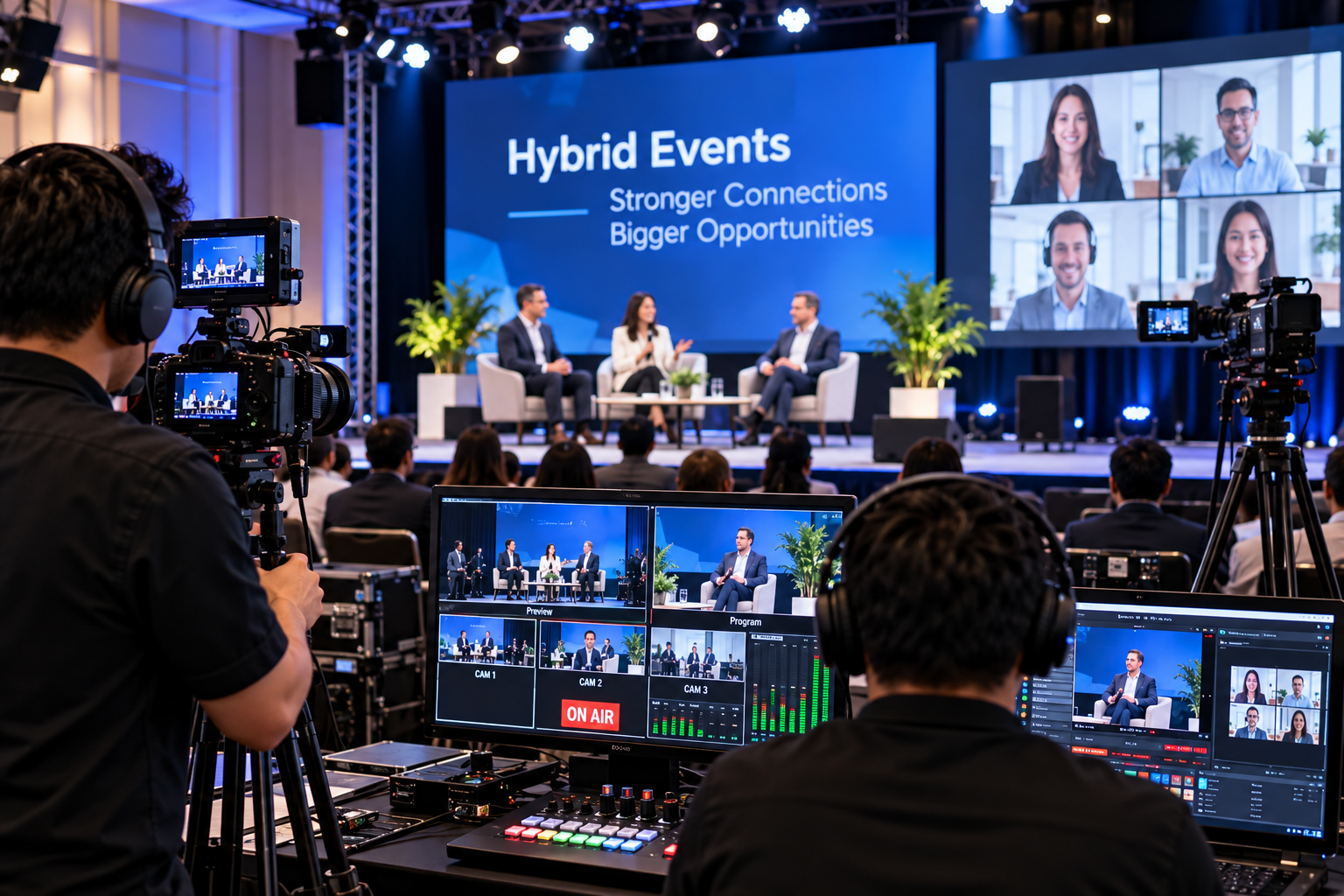
A hybrid event combines an onsite audience with people watching or participating remotely.
This arrangement creates additional production requirements because both groups need to see, hear, and understand the presentation.
For example, an audience member in the room may hear a speaker clearly, while online viewers may struggle if microphones are not properly managed.
A professional production plan considers both experiences.
It may also address remote questions, presentation displays, speaker transitions, and communication between the event team and technical operators.
Live Podcasts and Creative Broadcasts
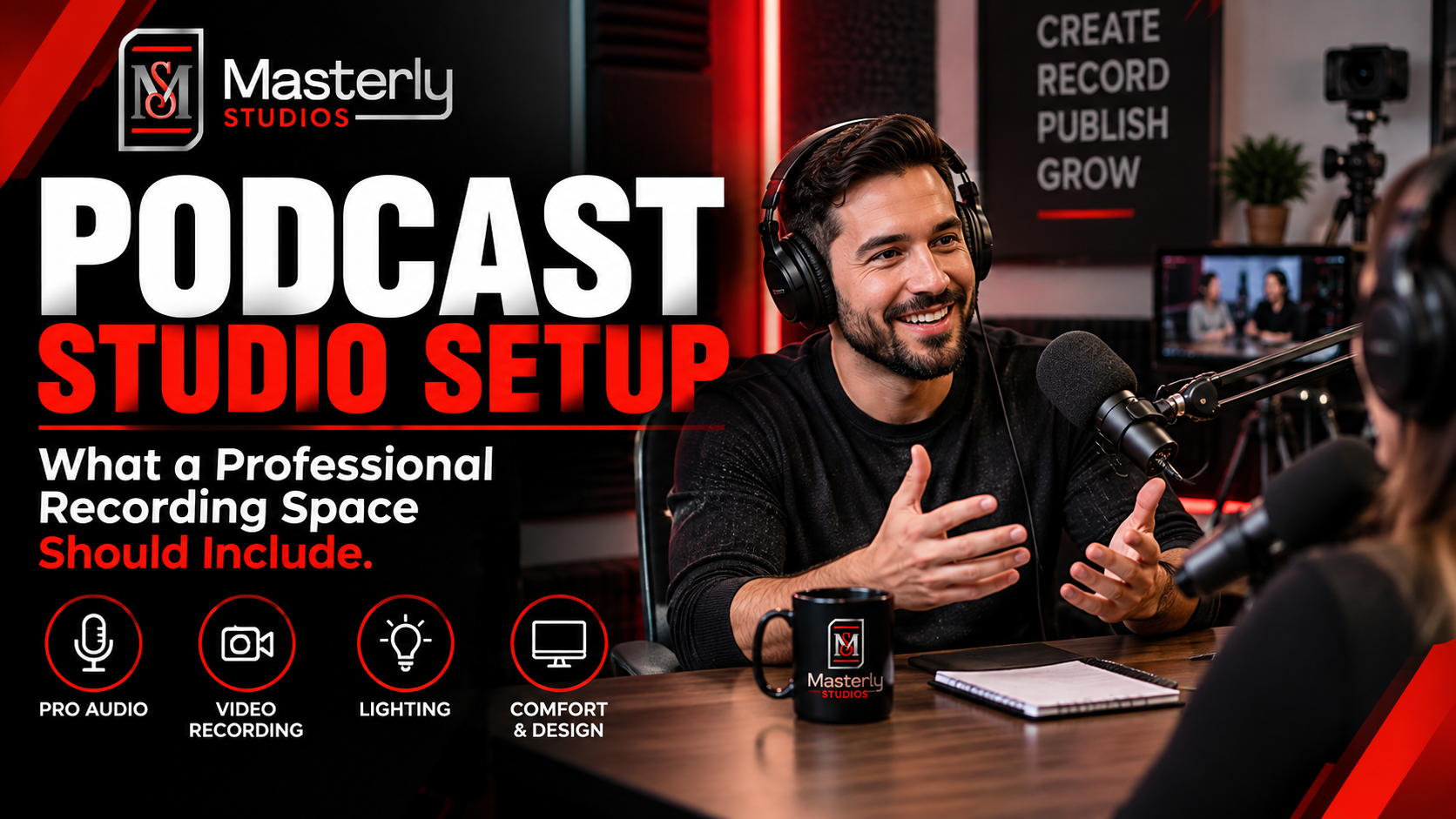
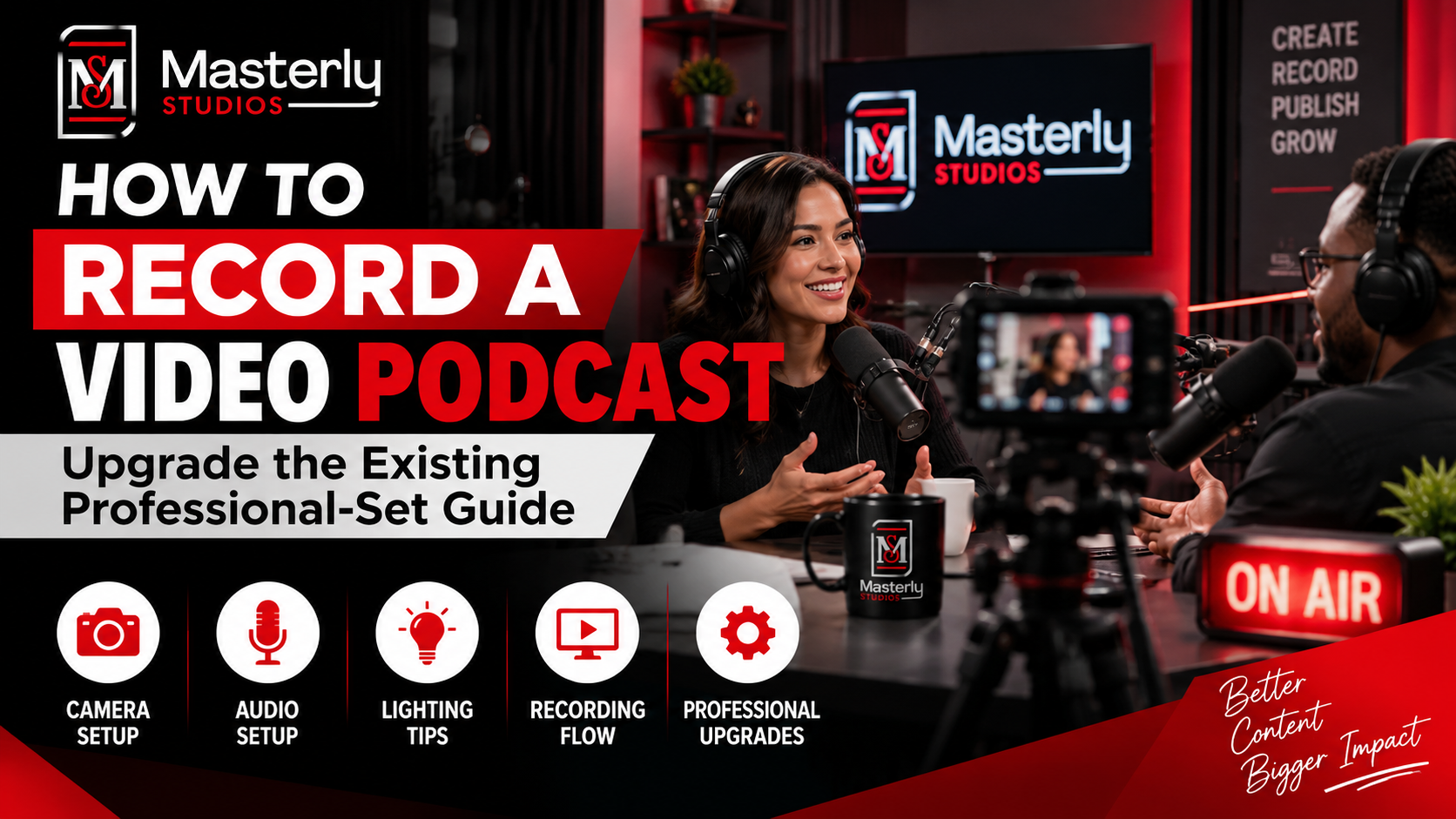
Podcasters, entrepreneurs, and creative professionals may use livestreaming to host interviews, discussions, or interactive programs.
These productions may involve multiple cameras, remote guests, branded graphics, and audience participation, with graphics supporting a consistent brand identity throughout the livestream.
The required services depend on whether the event is a simple live recording or a larger production with several participants.
A consultation can clarify which capabilities are appropriate for the intended format.
Camera, Audio, Connectivity, and Redundancy
Technical reliability is one of the main concerns when hiring a livestream production company.
Even a well-planned presentation may be difficult to watch when camera angles are unclear, audio levels change unexpectedly, or the internet connection becomes unstable.
A professional live stream setup should be evaluated according to the actual venue and broadcast requirements.
Camera Coverage, Multi Camera Setups, and Video Quality
Camera placement affects how viewers experience a live event.
A single-camera setup may be suitable for a focused presentation.
Events with panels, interviews, or demonstrations may benefit from additional camera angles.
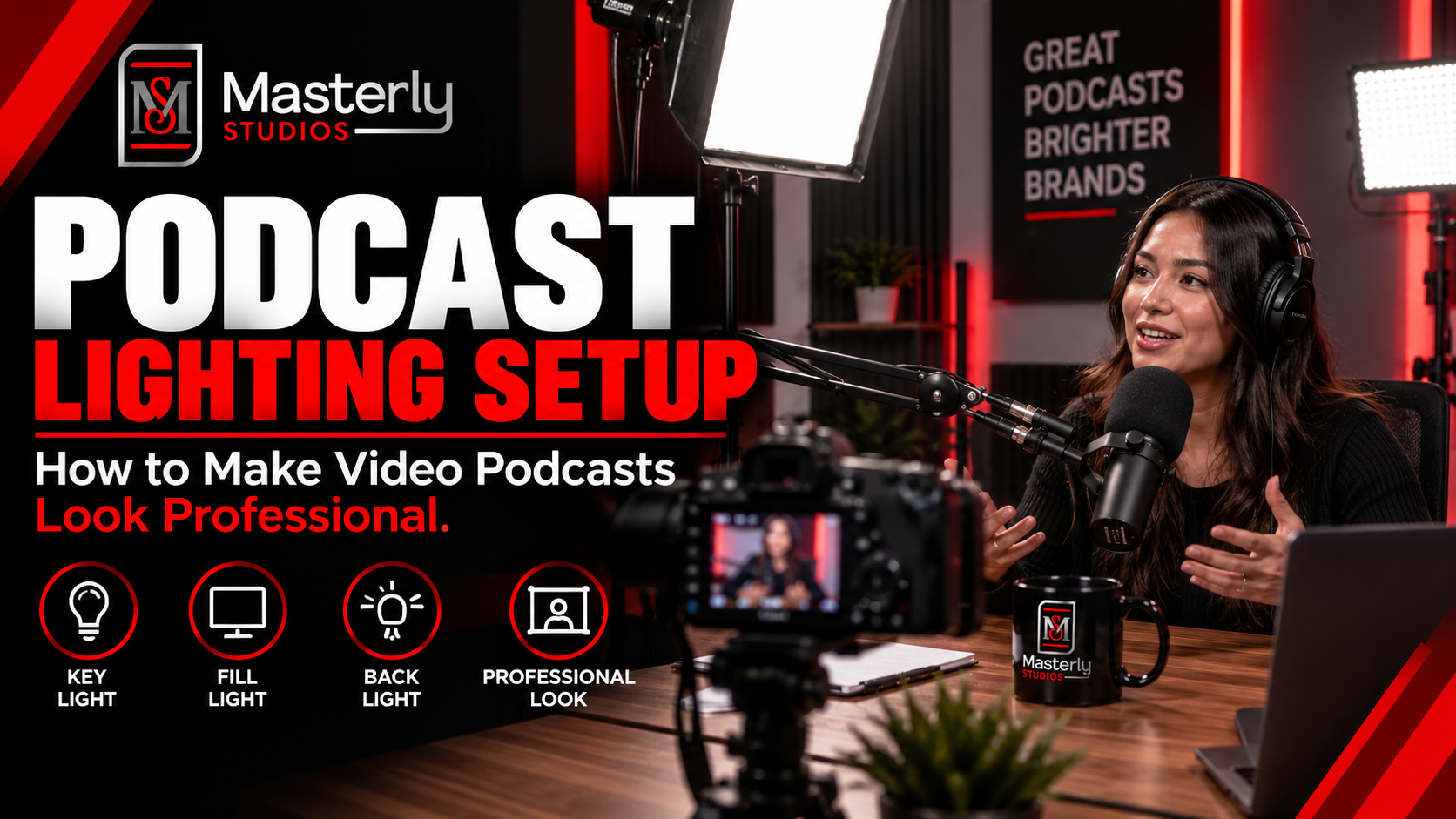
The production team can discuss appropriate framing, lighting, camera switching, and presentation capture based on the available environment.
The goal is to provide a clear visual experience without adding unnecessary production complexity.
Professional Audio Management
Clear sound is essential for livestreams.
Online attendees need to hear speakers, questions, presentations, and conversations without distracting noise.
A production team may evaluate microphone arrangements, audio mixing, speaker transitions, and the venue's existing sound system.
Audio requirements can become more complicated when remote presenters or audience members participate.
These conditions should be reviewed before the event.
Internet Connectivity and Streaming Platforms
Livestreaming depends on sufficient and reasonably stable connectivity.
The required connection depends on factors such as video resolution, streaming settings, platform requirements, competing network traffic, and how the streaming software is configured for stable performance.
Venue internet access should not automatically be assumed to meet broadcast requirements. OBS and Streamlabs are common software options, and their setup should match the event’s technical needs.
A production consultation can help identify what information is needed from the venue and whether additional connectivity arrangements should be considered.
Redundancy and Backup Planning
No production setup can eliminate every technical risk, but technical redundancy is critical to help prevent broadcast failures.
However, appropriate backup planning can reduce the impact of certain equipment or connectivity failures.
Depending on the event, redundancy may involve alternative recording methods, backup equipment, or secondary network arrangements.
These capabilities and backup solutions should be confirmed within the proposed production scope rather than assumed to be included.
Rehearsals, Moderation, and Attendee Experience
Professional livestream production involves more than camera equipment.
The event schedule, speakers, transitions, and audience interactions all influence the quality of the broadcast.
Technical rehearsals and clear team responsibilities can help identify potential issues before the event begins.
Preparing Speakers and Presenters
Some speakers are comfortable presenting to a live audience but unfamiliar with professional broadcast environments.
Others may participate from remote locations using their own equipment.
Pre-event coordination can clarify microphone requirements, presentation formats, camera positioning, and speaking cues.
For corporate leaders, this preparation can support a more organized and professional presentation.
Using a Hybrid Broadcast Checklist
A hybrid broadcast checklist can help event organizers and production teams confirm important arrangements.
Relevant review areas may include:
- Venue access and production schedule
- Camera positions and lighting conditions
- Microphone and audio connections
- Internet connectivity and streaming platform access
- Presentation files and speaker materials
- Remote presenter connections
- Recording permissions and audience interaction procedures
- Technical rehearsal and final approvals
The purpose is not to turn the client into a technical operator.
It is to establish shared expectations about the requirements and responsibilities involved in the event.
Moderation, Interactive Features, and Audience Participation
Some livestreams include live questions, polls, moderated discussions, or other forms of audience interaction.
These features can help remote attendees participate more actively.
However, moderation responsibilities should be defined in advance.
The event organizer may provide a moderator, while the production team manages agreed technical elements.
The specific arrangement depends on the event format and contracted services.
Managing the Live Attendee Experience
Remote attendees should be able to understand what is happening throughout the event.
Clear transitions, readable presentation materials, consistent sound, and suitable camera framing all contribute to the viewing experience.
For longer events, the team may also need to consider breaks, speaker changes, and communication with remote participants.
The aim is to create a broadcast that reflects the organization's professional standards.
Repurposing Footage After the Event
A livestream may last only a few hours, but the recorded content can support future communication
.
Businesses often want to reuse presentations, interviews, and event highlights across several channels.
Post-event production can help turn selected footage into more focused content.
Full Event Recordings
Some organizations need a recording of the entire event for people who could not attend live.
These recordings may support employee training, internal communications, member resources, or future reference.
The recording format, editing needs, and delivery requirements should be discussed before production.
A full recording should not automatically be assumed to be included in every livestream package.
Short Social Media Clips
Short videos can highlight useful moments from a longer presentation.
A company may want selected executive statements, panel insights, or product announcements prepared for social media.
These clips often require different framing, captions, or editing from the original broadcast.
A production agreement should specify the number of clips and the expected editing work.
Marketing and Recruitment Content
Livestream footage may also support websites, promotional campaigns, and recruitment materials.
For example, a leadership discussion may provide material for a company's thought leadership content.
A conference presentation may support future educational communications.
The usefulness of these assets depends on the original recording quality, available permissions, and editing scope.
Building a Reusable Video Library
Organizations hosting regular events may benefit from an organized collection of recordings and edited videos.
A coordinated library can help marketing and communications teams find approved material for future use.
File naming, delivery formats, ownership, licensing, and storage arrangements should be clarified as part of the project.
What to Discuss Before Hiring a Livestream Production Company
Hiring a production partner begins with understanding the event's requirements.
Organizations do not need to know every technical detail before requesting a consultation.
However, basic event information can help the provider evaluate the work involved.
Event Format and Audience Size
A production company may need to know whether the event is fully virtual, onsite, or hybrid.
Other useful information includes the number of speakers, expected attendees, event duration, and whether the program includes presentations, interviews, or audience participation.
The number of online viewers may also affect platform and distribution decisions.
Venue and Technical Requirements
A potential provider may request information about the venue, available internet access, audiovisual equipment, and filming restrictions.
For hybrid events, the placement of screens, microphones, cameras, and presentation areas may influence the production approach.
An onsite assessment or detailed venue discussion may be appropriate for more complex events.
Production Responsibilities, Service Level Agreements, and Deliverables
A livestream production proposal should include a Scope of Services section that outlines the specific duties, responsibilities, and deliverables included.
These may involve production planning, camera operators, audio management, technical coordination, remote speaker support, live streaming, recording, and post-event editing.
The agreement should also clarify which services are provided by the venue or event organizer.
For example, registration management, attendee invitations, presentation development, and live moderation may remain the client's tasks unless included in the production contract.
Timeline, Budget, and Approval Process
The production schedule can influence available options and costs, and more complex events may require additional resources to maintain an efficient production approach.
A multi-day conference with several stages may require more equipment and personnel than a single executive presentation.
Organizations should discuss the event date, available preparation time, expected deliverables, and budget.
A clear proposal helps define how scope and expected deliverables affect price, technical expectations, production responsibilities, and the approval process before the event.
How Masterly Studios Supports Professional Livestream Production
Masterly Studios provides professional video production, livestream support, and virtual event production services for businesses, entrepreneurs, and organizations.
Our published services include webinars, hybrid events, executive broadcasts, panel discussions, and live programs, which can also support a company’s brand presentation during live and hybrid events.
We work with clients to understand the event format, communication objectives, and technical requirements before developing a production approach and practical creative solutions around the event format and technical requirements.
Depending on the project, services may involve video and audio coordination, presentation support, remote speaker management, streaming, recording, and post-event media preparation, along with the technical functions needed for streaming, recording, and presentation support.
For organizations hosting hybrid events, our focus is on coordinating the experience for onsite and online audiences.
We also recognize that different events require different levels of production.
A live podcast, corporate announcement, and multi-speaker conference may have distinct technical needs.
An initial consultation can help determine which services are appropriate, what production resources may be required, and which deliverables should be included.
Professional preparation can help manage production risks, but uninterrupted streaming, attendance figures, and audience engagement cannot be guaranteed.
Our goal is to provide clear planning, technical coordination, and professional video production suited to the client's event.
Livestream Performance Measurement and Event Success
Understanding the importance of performance measurement helps businesses evaluate the success of their livestream events. Depending on the event's specific needs, organizers may review real time audience engagement, viewer retention, attendance, and post-event interactions. Streaming platforms such as YouTube and Facebook may provide analytics that help businesses assess how viewers responded to the broadcast. A professional livestream production company can discuss the technical requirements for capturing and delivering event content, while the client determines which business outcomes matter most. These measurements provide useful insight into audience behavior and can support future event planning without guaranteeing specific marketing results.
Choosing a Livestream Production Agency or Contractor
Selecting the right livestream production agency or independent contractor depends on the event's size, technical complexity, and business goals. Organizations should consider whether the provider can address their specific needs, including camera coverage, audio management, streaming hardware, and production coordination. An initial consultation can help clarify responsibilities, equipment requirements, and expected deliverables. Businesses working with several suppliers should also establish who will manage the production schedule and oversee progress. Masterly Studios welcomes inquiries from organizations seeking professional video production support and can discuss suitable services based on the proposed event.
Streaming Hardware, Site Preparation, and Technical Requirements
A professional live stream setup may require cameras, microphones, video switching equipment, and reliable internet connectivity. The production team may need to visit the event site, inspect available hardware, and determine whether additional equipment must be installed or connected before broadcasting. For example, a healthcare organization hosting a professional conference may require clear presentation audio, controlled camera coverage, and secure access arrangements. Businesses should also discuss any restrictions involving venue access, equipment installation, and operating schedules. These considerations help establish practical production requirements before the event begins.
Real-Time Audience Interaction and Streaming Platform Features
Livestream platforms may provide features that support real time communication between speakers and viewers. Depending on the selected platform, audiences may participate through live chat, moderated questions, or interactive discussions. Some organizations use YouTube or Facebook for public broadcasts, while others prefer private event platforms with controlled access. A professional production consultation can help identify the technical requirements associated with the intended platform. For events that include audience questions or scheduled calls with remote speakers, moderation and communication responsibilities should be established before production.
Post-Event Video Downloads and Content Distribution
After a livestream ends, organizations may want to download recordings, review event footage, and distribute selected content through their websites or social media channels. Depending on the agreed production scope, completed recordings may support internal communications, marketing campaigns, training resources, or future presentations. Businesses should confirm whether downloadable recordings, edited highlights, captions, and other files are included in their project agreement. A clear delivery process helps teams track production progress and understand when approved video assets will become available for distribution.
Frequently Asked Questions About Livestream Production
What should be tested before a live broadcast?
Important areas include cameras, microphones, internet connectivity, streaming platform access, presentation materials, speaker connections, recording arrangements, and streaming software configuration and settings, which should be set up correctly to support stream performance during the broadcast. A professional livestream production company can help coordinate relevant technical checks, test procedures, and rehearsals.
Can the stream be repurposed into clips?
Yes. Recorded livestream footage can often be edited into shorter videos for social media, marketing, or internal communications. The number of clips, editing requirements, permissions, and delivery formats should be confirmed in the production agreement.
What does a livestream production company do?
A livestream production company provides technical and creative support for broadcasting events to online audiences. Services may include video capture, audio coordination, audience-facing Graphics, Streaming Software setup, camera switching, recording, post-event reporting where offered, and production management to help perform the agreed technical and creative Services within the production scope.
Can Masterly Studios support hybrid events?
Yes. Masterly Studios publicly offers hybrid event production services involving onsite and remote audiences, video and audio management, presentations, remote speakers, and streaming coordination.
How much does professional livestream production cost?
Pricing depends on event duration, location, number of cameras, technical requirements, crew size, streaming arrangements, and final deliverables. A consultation helps establish the appropriate production scope and estimated cost.
Is professional livestreaming suitable for business podcasts?
Yes. Live podcast recordings, interviews, and panel discussions can use professional livestream production. The required setup depends on the number of speakers, recording location, distribution platform, and desired audience interaction.
Does livestream production include video editing afterward?
Post-event editing may be offered as part of an agreed production package or as an additional service. Organizations should confirm whether full recordings, highlight videos, captions, and social media clips are included.
Educate First: Discuss Livestream Production With Masterly Studios
A professional livestream should help your audience focus on the message rather than the technology.
Whether you are planning a corporate conference, hybrid presentation, live podcast, webinar, or executive broadcast, the right production arrangement begins with understanding the event's format and requirements.
Working with a livestream production company can help your organization align technical planning with the event’s value and goals while addressing camera and audio coordination, streaming arrangements, and post-event content needs.
Masterly Studios welcomes inquiries from entrepreneurs, business leaders, corporate teams, and creative professionals seeking professional live event streaming production.
Contact our team to discuss your event date, venue, audience, production needs, and desired deliverables.
We can review your requirements, discuss appropriate solutions, and explain the next steps for your project.
Phone: (404) 726-7261
Website:https://www.masterlystudios.com/
Request a livestream production consultation to discuss your upcoming event and potential broadcast requirements.