
Building Episode Arcs That Keep Audiences Listening Until the Last Second
March 23, 2026
Why Retention Matters in Storytelling Podcasts
The growth of storytelling podcasts has transformed how people experience stories in the digital media age. Listeners no longer simply consume background audio; they actively listen for compelling stories that hold their attention from start to finish. In a crowded podcasts market, keeping an audience engaged is no small challenge. Building strong episode arcs is one of the most powerful ways to ensure that listeners stay until the final moment.Successful storytelling in podcasts is not only about interesting topics. It is about creating a journey that unfolds across a single episode or even an entire season. When the host guides the audience through carefully structured stories, the emotional connection deepens. This connection helps fans return for new episodes and even encourage friends or family to subscribe. For creators and businesses entering the storytelling podcasts space, mastering episode structure can be the difference between a show that fades away and one that grows into a loyal community.
The Rise of Narrative Audio in Modern Media
Over the past decad e, podcasts have become one of the most influential storytelling media formats in the world. What once began as simple recorded conversations has evolved into highly produced serial productions with cinematic storytelling techniques. Shows inspired by radio traditions, such as programs produced by wnyc studios, helped shape the modern style of narrative nonfiction.Today, audiences expect more than casual discussions. Many of the most successful podcasts use cinematic production, layered music, and structured narrative arcs to guide listeners through powerful stories. From investigative true crime to deeply personal reflections about life, these programs capture attention by presenting events with emotional depth and clarity. This transformation shows that storytelling in audio is not just about information. It is about crafting a compelling form of entertainment that invites people to listen with curiosity and empathy.
What Makes a Strong Episode Arc
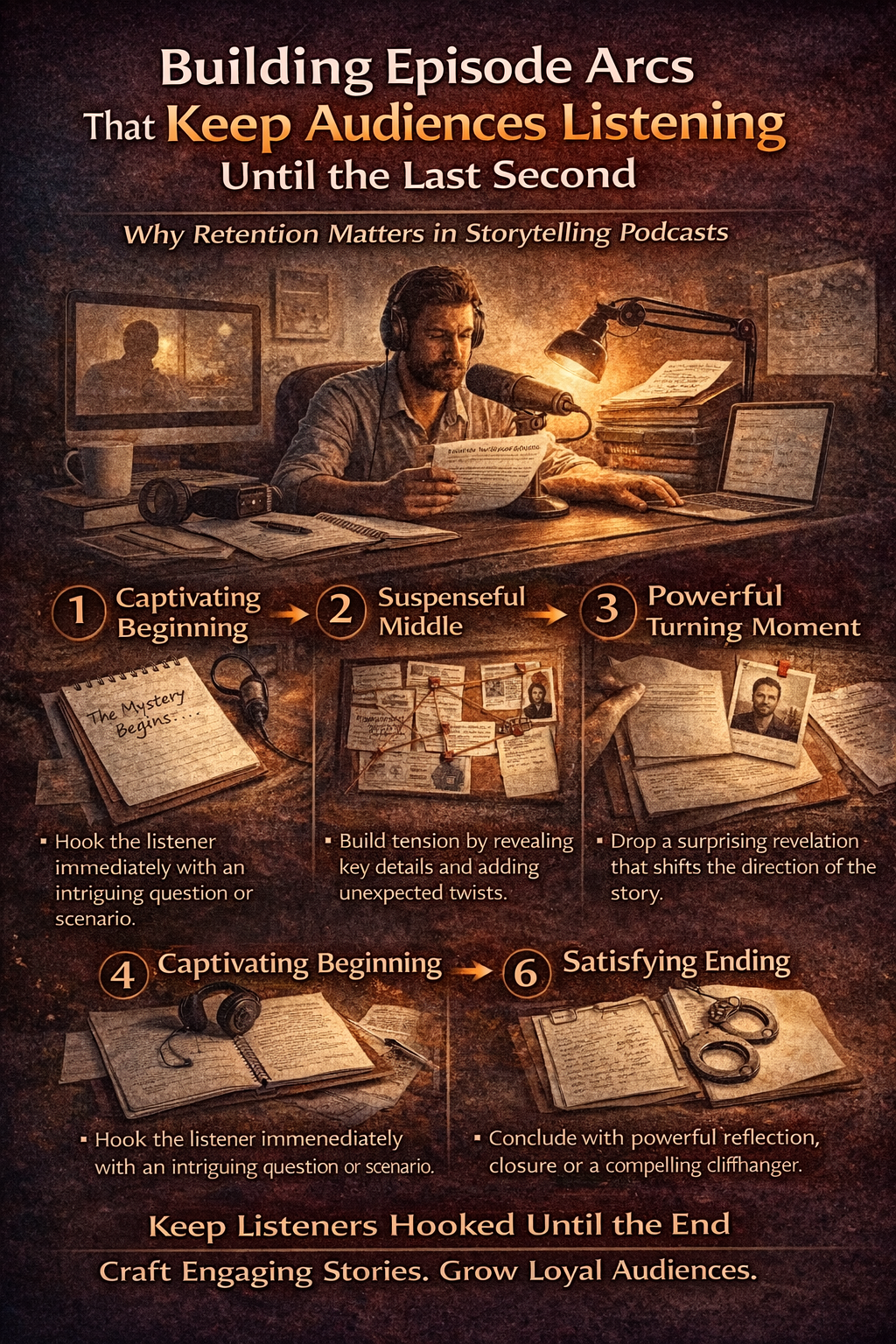
A str ong episode arc gives listeners a sense that they are traveling somewhere meaningful. Even if the topic involves everyday events or familiar pop culture topics, the structure keeps the audience invested. Effective episode arcs typically include several important elements:- A compelling beginning that introduces the premise
- Rising tension as the story unfolds
- Emotional moments that build empathy
- A powerful turning moment that reveals new insight
- A satisfying ending that leaves the story feeling alive
When these elements are used carefully, even a short audio segment can feel like a complete journey.
The Beginning: Hooking the Listener Immediately
The first episode of a new show often determines whether people will continue listening. In storytelling podcasts, the opening moments are essential. The host must immediately capture attention and introduce the central question or theme.For example, a true crime series may begin by describing a mysterious death that changed a community forever. A narrative nonfiction show might open with a deeply personal story about family, history, or unexpected events in a city. Regardless of the topic, the opening must spark curiosity.
Listeners often decide within the first few minutes whether they will continue to listen. That is why strong storytelling begins with a moment that makes the audience feel something important.
The Middle: Building Suspense and Curiosity
Once the story is underway, the middle of the episode becomes a place where tension can rise. This is where storytellers gradually reveal key details that move the narrative forward.Many popular true crime podcasts use this approach effectively. The host may introduce new witnesses, conflicting accounts, or unexpected evidence. Each development deepens the story and encourages listeners to keep listening.
Even in storytelling podcasts focused on personal experiences or american life, the middle portion of the episode builds emotional stakes. It is where the audience begins to understand why the story truly matters.
The Power of the Turning Moment
Every memorable story contains a turning moment. This is the point where the narrative shifts direction and the audience sees the situation differently.In true crime series, this moment might involve the discovery of crucial evidence. In a narrative nonfiction show, it may reveal a hidden truth about a person, a family, or a community.
This turning point is critical because it renews the audience’s interest. Listeners who reach this moment often feel compelled to stay until the end of the episode.
Ending an Episode With Impact
A powerful ending ensur es that the story remains in the listener’s mind long after the audio ends. The host might return to the central theme and reflect on what the events reveal about life, culture, or society.Great endings often include moments of reflection or emotional insight. These conclusions allow listeners to process what they have heard and understand the larger meaning of the story.
When a show consistently delivers meaningful endings, it builds trust with the audience. Fans begin to subscribe and eagerly anticipate the next season.
The Role of the Host in Storytelling Podcasts
The host is the voice that guides the audience through the narrative journey. In storytelling podcasts, the host does more than present facts. They shape how the story is experienced.A strong host speaks with authenticity and clarity. They help the audience understand complicated events while maintaining emotional connection. In many successful podcasts, the host becomes the bridge between the audience and the world of the story.
Listeners often return not just for the stories, bu t for the voice and perspect ive of the host.
Creating Emotional Connection Through Empathy
One reason storytelling podcasts are so powerful is their ability to create empathy. When audiences hear personal stories, they begin to imagine the experiences of others.A narrative about a city, a family conflict, or a life-changing event can help listeners see the world from another perspective. This emotional connection keeps people engaged throughout the episode.
By focusing on human experiences, storytellers transform ordinary moments into meaningful narratives.
Lessons From Successful Narrative Podcasts
Many succe ssful podcasts provide valuable lessons about retention-focused storytelling. Programs inspired by radio traditions demonstrate how careful structure can keep listeners engaged for hours.Shows such as investigative true crime series or reflective programs about american life often rely on long-form narrative arcs that span an entire season. Each episode contributes another piece to the overall story.
These programs show that building a strong arc requires patience and thoughtful planning.
The Role of Music and Sound Design
Sound design plays a powerful role in keeping audiences engaged. Strategic use of music can build tension, signal emotional shifts, or highlight important moments.For example, a quiet piano track might accompany a reflective moment about life or family. A dramatic score might signal a turning point in a true crime investigation.
When used thoughtfully, music enhances the emotional experience of the story without distracting from the narrative.
Multi-Platform Storytelling in the Podcast World
Many creat ors expand their reach by sharing their stories beyond traditional audio platforms. Clips may appear on youtube, short videos, or social platforms such as facebook.These platforms help new fans discover the show and connect with the broader community. Some audiences first hear about a podcast through a video or article before deciding to subscribe.
This cross-platform approach helps podcasts grow within a competitive market.
The Business Side of Podcast Storytelling
Producing high-qua lity podcasts also involves understanding the business side of media production. Successful shows often invest time in research, editing, and cinematic production techniques.A well-structured show can attract sponsorships, partnerships, and loyal audiences. When a podcast builds a strong community, it becomes more than just entertainment. It becomes a sustainable creative business.
For creators entering the storytelling podcasts ma rket, focusing on structure and audience retention is essential.
Crafting Great Stories That Keep Listeners Engaged
Every su ccessful podcast begins with great stories . In the world of storytelling podcasts, compelling stories are the foundation that encourages audiences to listen from the first moment to the final seconds of an episode. These stories may explore history, true crime, personal journeys, or powerful moments from everyday life, but they all share one thing in common: emotional connection. When storytellers focus on authentic experiences and clear narrative structure, they create episodes that audiences want to return to again and again. Great stories are what transform ordinary podcasts into meaningful audio experiences that build loyal fans.Why Holding Audience Attention Is a Mean Feat
Keeping listeners engaged for an e ntire episode can be a mean feat, even for experienced creators. In today’s crowded media environment, audiences have endless options for entertainment, from tv shows to streaming videos and social platforms. This means that podcasts must compete with many other forms of storytelling. Strong narrative arcs help overcome this challenge by guiding listeners through emotional moments and intriguing developments. When an episode successfully holds attention from start to finish, it demonstrates how powerful thoughtful storytelling can be.Thinking About the Future of Podcast Storytelling
As the future of storytelling podcasts continues to evolve, creators are discovering new ways to engage audiences. Advances in production, editing, and media distribution allow storytellers to reach listeners around the world. Many creators are experimenting with immersive audio design, serialized storytelling, and cinematic narrative techniques. These innovations help podcasts remain competitive in a rapidly changing market. By focusing on narrative structure and audience connection, creators can build podcasts that thrive well into the future.Organizing Ideas and Saving the Story File
Behind every st rong episode arc is careful planning. Podcast creators often keep detailed notes or a digital file where they organize story ideas, interview segments, and research. This file becomes the blueprint for shaping the final narrative that listeners will hear. Having a clear structure helps storytellers keep the episode focused and engaging. It also allows hosts and producers to refine the stor y until it delivers the strongest possible impact.Exploring Topics Like Politics and Culture
Many powerful stories in podcasts explore themes that shape society, including politics, culture, and community experiences. These subjects help audiences understand how individual moments connect to larger trends in the world. When handled thoughtfully, discussions about politics or culture can deepen the emotional resonance of an episode. They also allow listeners to reflect on how events affect their own communities and personal lives. Podcasts that explore meaningful topics often create deeper engagement among audiences.Using Production Tools to Track Episode Progress
Professional po dcast production often involves careful documentation of each stage of the creative process. Producers may maintain a project log to track research notes, interview recordings, and editing decisions. This log helps the production team stay organized and ensures that important narrative elements are not overlooked. By reviewing the log regularly, creators can refine pacing and storytelling choices. Organized production processes help keep the final episode clear and compelling.Learning From Storytelling in TV and Other Media
Podcast creators can learn v aluable storytelling lessons from tv, film, and traditional radio. These media formats have long used narrative arcs to build suspense and emotional impact. By studying how television series structure episodes and seasons, podcast producers can improve their own storytelling approach. Techniques such as cliffhangers, character development, and dramatic pacing translate well into audio storytelling. Drawing inspiration from multiple media sources helps podcasts reach new creative levels.Recognizing That Powerful Stories Already Exist
One of the most encouraging th ings about storytelling is that compelling stories already exist all around us. Every city, community, and family has experiences worth sharing. Podcast hosts simply need to recognize these moments and shape them into meaningful narratives. When creators focus on real human experiences, audiences quickly connect with the story. This authenticity keeps listeners engaged throughout the episode.Learning From Influential Voices Like Mike
Many podcast creators study influential hosts and producers to improve their storytelling craft. Figures like Mike, along with other well-known voices in the industry, demonstrate how careful narrative design can transform a simple topic into a memorable episode. Observing how experienced hosts guide conversations, reveal information gradually, and build emotional moments can be extremely valuable. These insights help new storytellers refine their own style and presentation. Learning from established creators is an important step toward mastering podcast storytelling.The Time Creators Spend Developing Stories
High-quality po dcasts often require creators to spend significant time researching, recording, and editing their content. A single episode may involve many hours of interviews, writing, and audio production. This effort allows storytellers to craft episodes that feel thoughtful and polished. When creators spend time refining the narrative arc, the result is a more immersive listening experience. Listeners can sense the difference between rushed storytelling and carefully developed episodes.Stories About Children and Family Life
Some of t he most powerful podcast narratives involve children, family relationships, and moments that shape a person’s life. These stories often resonate deeply with listeners because they reflect universal human experiences. Whether exploring childhood memories, family traditions, or challenges faced by parents, these narratives bring emotional depth to storytelling podcasts. When creators share these personal experiences authentically, audiences feel a stronger connection to the story. This emotional bond keeps lis teners engaged until the final moment.Introducing Characters Through Brief Moments
Even in non fiction storytelling, introducing compelling characters can make an episode far more engaging. A brief story about a person’s background or motivations helps listeners visualize who they are hearing about. These short narrative introductions allow the audience to understand the people involved in the story. When characters are clearly introduced, listeners can follow the narrative more easily. Strong character moments make the entire storytelling experience more vivid and memorable.Contact Masterly Studios for Podcast Storytelling Guidance
Creating c ompelling storytelling podcasts requires creativity, structure, and professional production expertise. At Masterly Studios, we work with creators, brands, and organizations that want to produce powerful audio narratives that audiences truly want to listen to.Our team understands how to design episode arcs, shape compelling stories, and produce audio experiences that keep listeners engaged until the very last second. Whether you are developing a true crime series, a narrative nonfiction program, or a show exploring culture, history, or community, our studio can help bring your vision to life.
We collaborate with clients throughout the country and nationally, helping creators turn ideas into professionally produced podcasts that resonate with fans. From concept development to recording and production, our team focuses on storytelling techniques that keep audiences returning for every new season.
If you are planning a podcast or want help improving the storytelling structure of your show, we invite you to reach out. Contact Masterly Studios at (888) 209-4055 to book a free consultation. We are happy to answer questions, review your concept, and help you build a storytelling podcast that truly stands out in today’s media landscape.
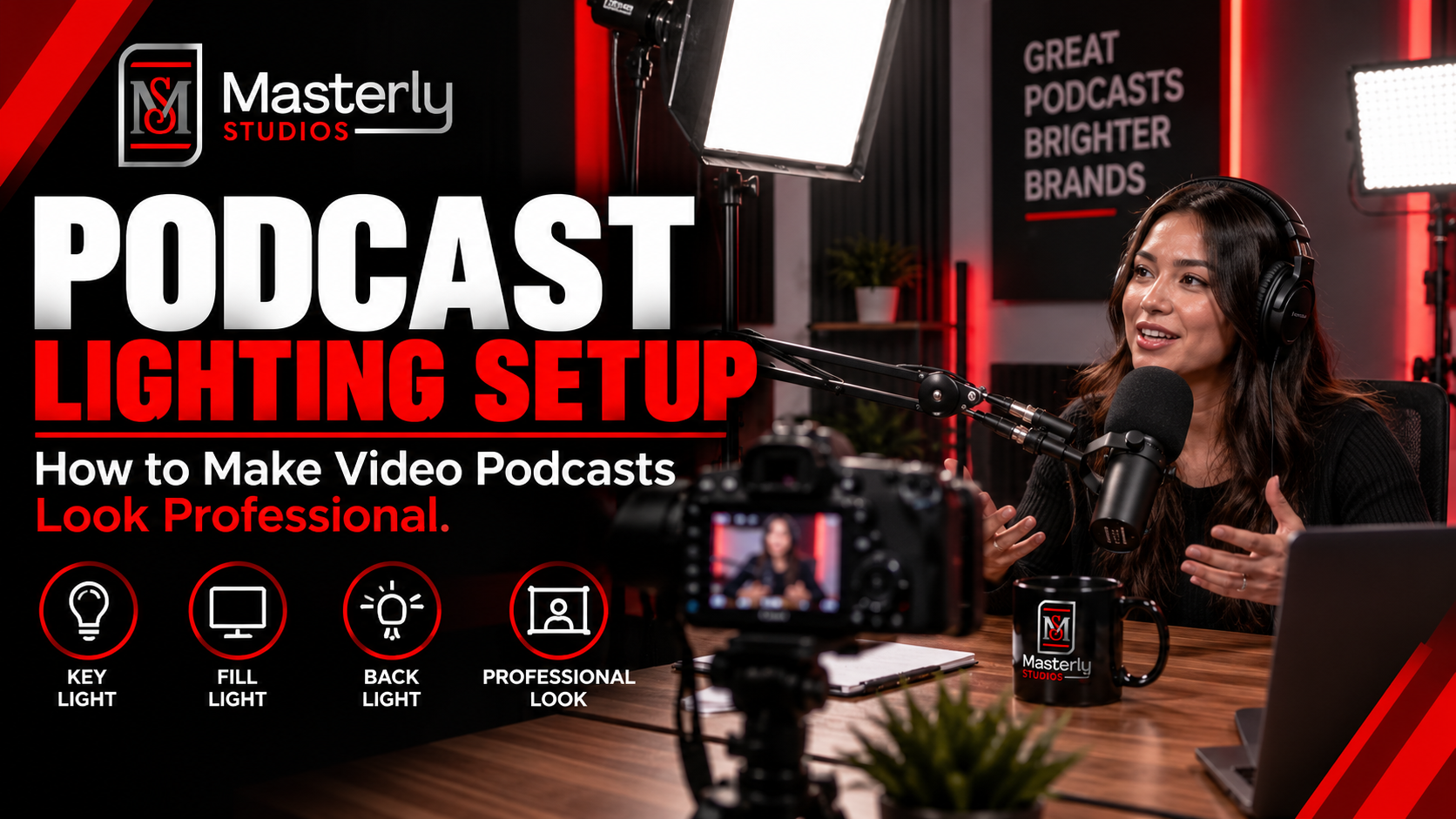
Need a podcast lighting setup? Masterly Studios provides professional podcast and camera lighting in a prepared studio for consistent, polished video production.
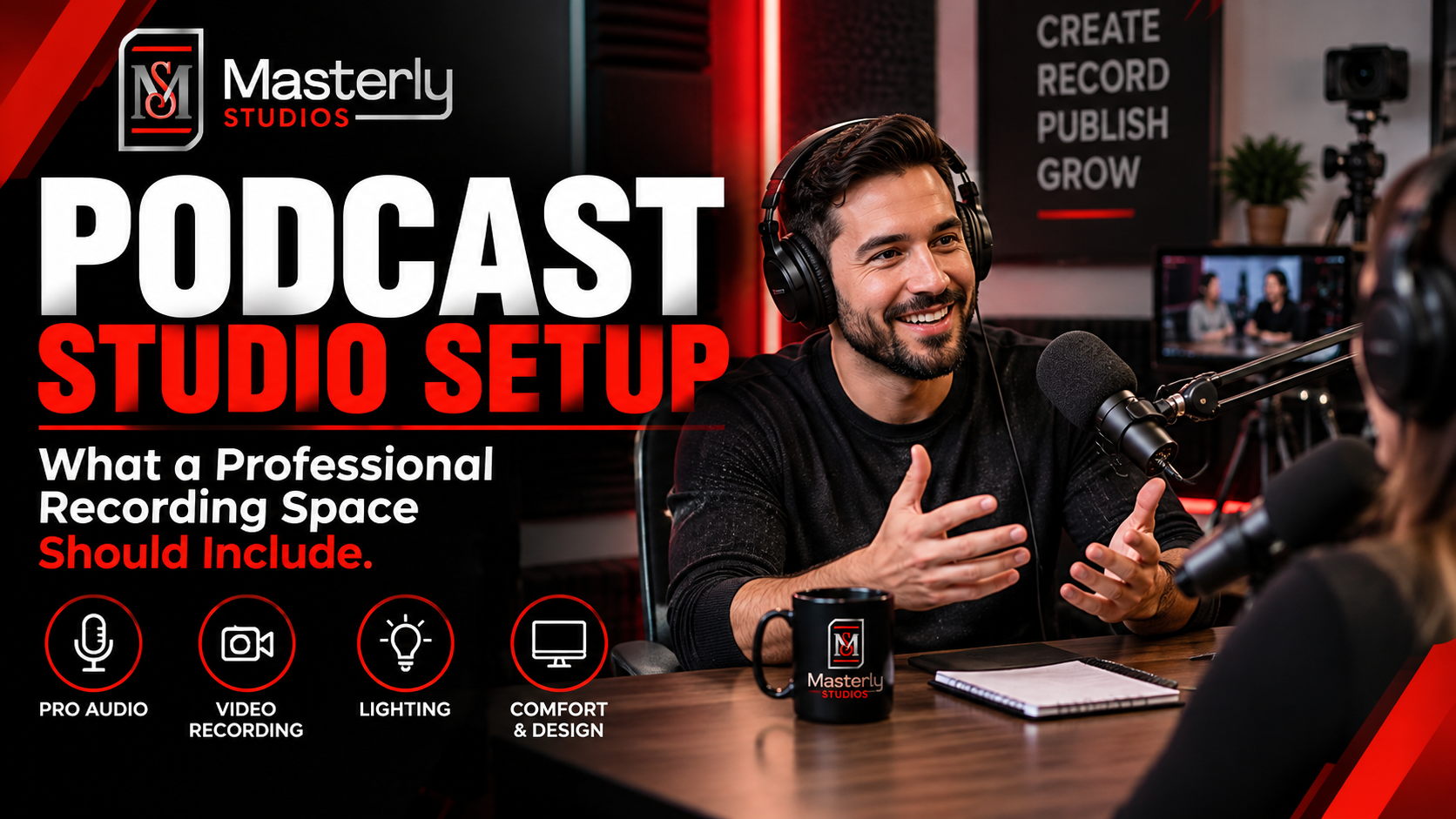
Need a podcast studio setup? Masterly Studios offers a professional recording space with quality equipment, lighting, acoustics, and video support for creators.

Book a training venue in Atlanta for corporate workshops, employee training, and learning events with flexible layouts, A/V support, and professional amenities.
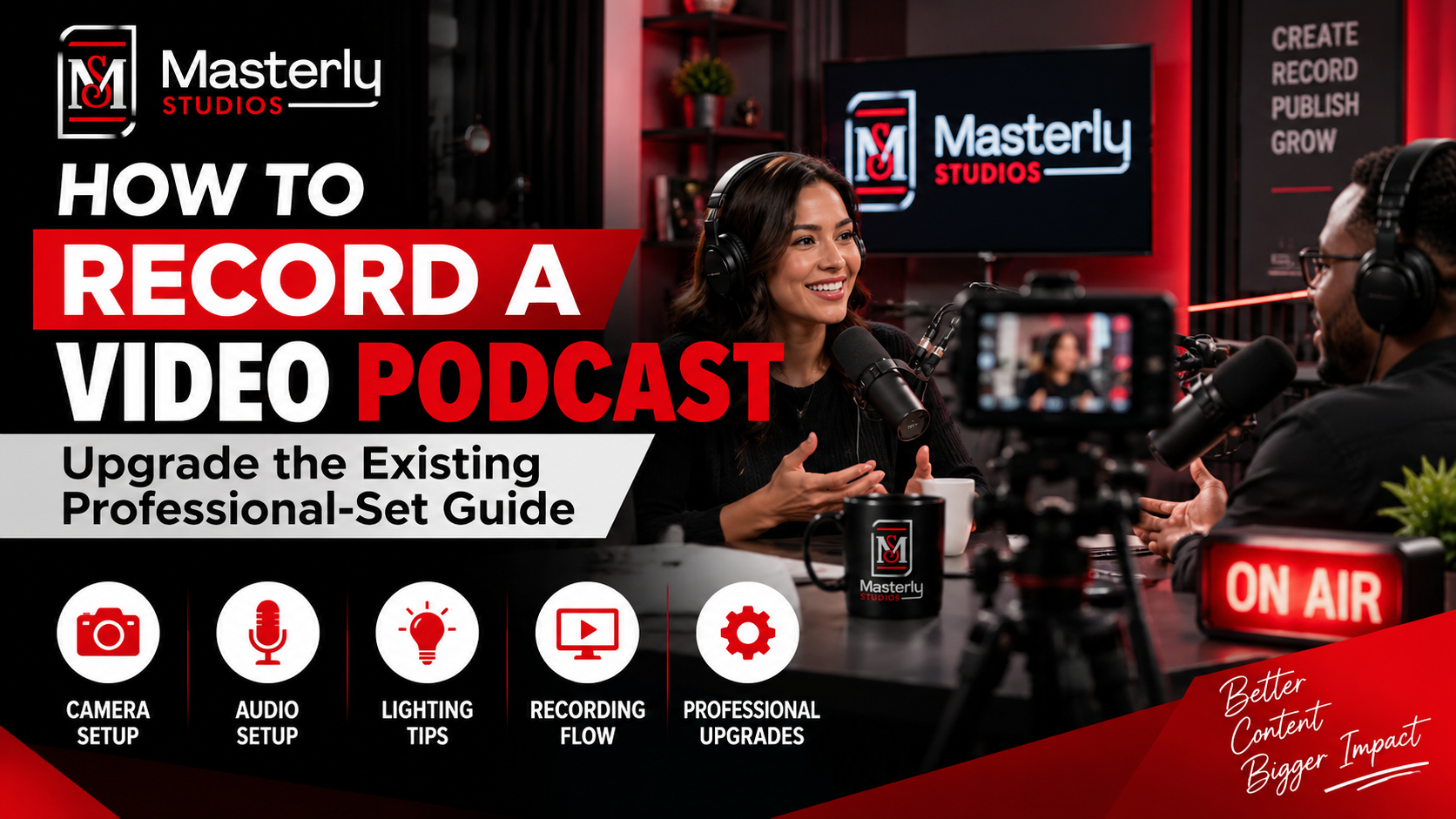
Learn how to record a video podcast in Atlanta with a professional studio setup, clear audio, polished lighting, guest support, and a smooth recording workflow.

Book a corporate Christmas party venue in Atlanta for year-end events with flexible space, A/V support, catering, branding, and more for your team and festive fun.

Book a creative studio rental for photography, video, branded content, and marketing campaigns with flexible production space at Masterly Studios for every project.

Book a professional seminar venue for training, presentations, and business events with flexible seating, A/V, check-in, parking, content support, and event setup.

Use an event venue checklist to evaluate capacity, layout, parking, load-in, A/V, Wi-Fi, accessibility, catering, branding, production, and overtime needs.

Plan corporate events with professional support for venues, A/V, catering, speakers, content capture, access, and production at Masterly Studios in Atlanta.

Find the right event space in Atlanta by confirming capacity, AV, parking, catering, layouts, accessibility, and production support before booking. Masterly Studios