Podcast Storytelling Skills That Separate Amateur Shows From Professional Productions
December 30, 2025
Every
podcast
starts with an idea, but not every podcast grows into a show people eagerly wait for each week. Many creators launch with passion and good intentions, yet only a small group manage to build storytelling podcasts that feel polished, immersive, and unforgettable. The difference is rarely about expensive gear alone; it’s about storytelling skill. At Masterly Studios, we work with creators across the country who want to close the gap between amateur efforts and professional podcast productions by mastering the craft behind great stories.
Why Storytelling Is the Backbone of Every Great Podcast
Storytelling is what keeps listeners pressing play instead of skipping to the next show. Even in interview-based formats, the strongest podcast episodes follow a clear narrative arc that guides the audience. Professional productions understand that stories are not just told, they are shaped. Without structure, even a fascinating topic can lose momentum.The Difference Between Talking and Telling a Story
Amateur podcasts often sound like conversations without direction. Professional storytelling podcasts transform conversations into compelling narratives with intention. Every episode has a purpose, and every segment pushes the story forward. This difference is immediately felt by listeners, even if they cannot articulate why.Understanding What Listeners Expect Today
Modern podcast listeners are more sophisticated than ever. Many have grown up listening to the best podcasts on Apple Podcasts, from long form storytelling to audio drama. Shows like This American Life, hosted by Ira Glass, and productions from WNYC Studios have raised expectations. Audiences now expect clarity, pacing, and emotional payoff.Strong Openings That Hook From the First Minute
Professional podcast episodes start strong. The opening moments establish tone, stakes, and curiosity. Amateur shows often take too long to get started, losing listeners early. A compelling opening promises an incredible story and gives listeners a reason to stay.Narrative Structure Separates Casual Shows From Serious Ones
Clear narrative structure is one of the biggest separators. Professional podcast series follow a beginning, middle, and end, even in nonfiction formats. Whether the episode features a true story, personal stories, or investigative journalism, structure provides direction. Without it, episodes feel scattered.Building Episodes Around a Central Idea
Every strong episode revolves around one core idea. Amateur podcasts often include multiple stories without a clear thread connecting them. Professional storytelling focuses tightly, ensuring every scene, interview, and sound bite supports the central narrative. This focus creates thought provoking content.The Role of Character in Podcast Storytelling
Stories resonate because of people. Great storytelling podcasts focus on real people, ordinary people, and sometimes a wealthy family or a small town, but always through a human lens. Characters give stories emotion and relatability. Listeners stay engaged when they care about who the story is about.Voice and Point of View Matter More Than You Think
Professional podcasts understand perspective. The host’s voice, tone, and presence guide the listener. Whether it’s Jonathan Goldstein, Ira Glass, or another experienced narrator, point of view is intentional. Amateur shows often lack this consistency.Writing for the Ear, Not the Page
Podcast writing is different from traditional writing. It must sound natural when heard, not read. Professional productions script with rhythm, pauses, and emphasis in mind. This makes the episode easier to listen to and more emotionally effective.Pacing Keeps Listeners Engaged
Pacing is one of the most overlooked storytelling skills. Amateur episodes may drag or rush through important moments. Professional shows balance quiet reflection with momentum. This is especially important in true crime, horror, and investigative journalism formats.The Power of Editing in Professional Podcasts
Editing is where storytelling truly comes together. Amateur podcasts often treat editing as cleanup. Professional productions use editing to shape narratives, remove distractions, and heighten emotion. Strong editing turns raw recordings into cinematic production.Music as a Storytelling Tool
Music is not background noise; it’s part of the story. Professional podcasts use music intentionally to signal emotion, transitions, and tension. From subtle tones to full compositions, music supports the narrative without overpowering it. Amateur shows often overlook this entirely.Sound Design Creates Immersion
Sound design helps listeners feel present in the world of the story. Audio drama, fictional audio drama, and fictional stories rely heavily on soundscapes. Shows like Welcome to Night Vale, The Magnus Archives, and The Bright Sessions demonstrate how sound builds atmosphere. Even nonfiction podcasts benefit from thoughtful sound design.Choosing the Right Genre and Format
Professional creators understand their genres. Whether it’s sci fi, science fiction, horror, love stories, or narrative nonfiction, format choices align with audience expectations. Amateur podcasts sometimes mix genres without clarity. Clear positioning helps a podcast stand out.Knowing When to Use Interviews and When Not To
Interviews are powerful, but only when used with purpose. Professional podcasts conduct interviews that serve the story, not the host’s curiosity alone. Editing pulls out the strongest moments. Amateur shows often leave interviews unshaped, losing impact.Hosting Style Shapes Listener Trust
Listeners connect with hosts who feel authentic and confident. A professional host guides the audience, asks thoughtful questions, and knows when to step back. Whether it’s Snap Judgment, Ear Hustle, or S-Town, hosting style builds trust over time.Episodic Versus Serialized Storytelling
Professional podcast series make deliberate choices between episodic and serialized formats. Some episodes stand alone, while others form a deep dive across weeks. Amateur creators sometimes blend formats without clarity, confusing listeners. Consistency matters.Crafting Emotional Payoff
Great stories lead somewhere. Professional podcasts plan emotional payoff, whether it’s heartbreaking, funny, inspiring, or reflective. Amateur episodes often end abruptly or without resolution. Thoughtful endings leave listeners satisfied and eager for new episodes.Learning From the Best Storytelling Podcasts
Studying the best storytelling podcasts is essential. Shows like Revisionist History, Modern Love from the New York Times column, S-Town, and This American Life reveal how structure, voice, and pacing work together. These shows are must listen examples for any podcast enthusiast.Long Form Storytelling Versus Short Form
Professional creators choose between long form storytelling and short fiction intentionally. Both formats require discipline. Long episodes need sustained engagement, while short stories must be tight and impactful. Amateur podcasts often drift between lengths without strategy.Creating Consistency Across Episodes
Consistency builds loyalty. Professional podcasts maintain consistent tone, quality, and release schedules. Listeners know what to expect each week. Amateur shows often vary widely, making it harder to build an audience.Understanding the Listener’s Experience
Professional producers listen critically to their own work. They think like the listener, not the creator. This keen ear catches pacing issues, confusing transitions, or weak moments. Amateur podcasts rarely take this step seriously.Why Amateur Podcasts Struggle to Grow
Most amateur podcasts struggle because storytelling fundamentals are missing. Without clear narratives, listeners drift away. Growth requires intention, not just more episodes. Professional guidance accelerates progress.How Masterly Studios Elevates Podcast Storytelling
At Masterly Studios, we help creators transform raw ideas into professional storytelling podcasts. Our team focuses on narrative development, editing, sound design, and production strategy. We work with clients nationwide who want their podcast to stand alongside the best podcasts on Apple Podcasts.Turning Stories Into Experiences
Podcast storytelling is about creating an experience, not just sharing information. Whether your show explores recent history, true crime, science, or the human experience, storytelling skills make the difference. Great stories stay with listeners long after they’re heard.Why Professional Production Changes Everything
Professional production doesn’t remove your voice; it amplifies it. With the right support, your podcast can move from passion project to polished platform. This shift often determines whether a podcast becomes a favorite podcast or fades away. Take the Next Step Toward Professional Storytelling
If you want your podcast to sound intentional, immersive, and competitive, investing in storytelling is essential. Learning from the past, understanding your audience, and refining your craft can change everything. Professional guidance shortens the learning curve.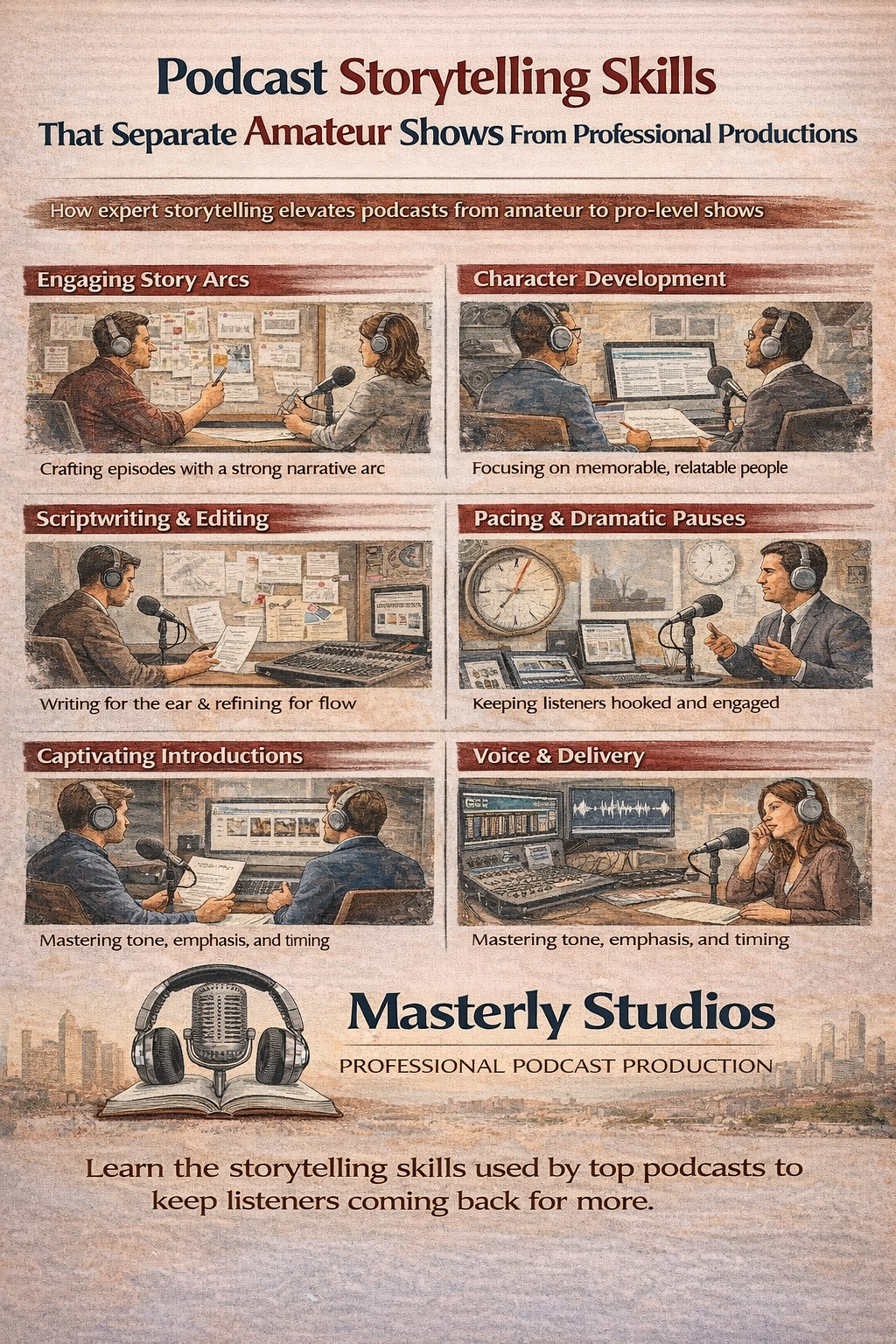
Bringing Ghost Stories to Life Through Audio
Ghost stories remain some of the most powerful formats in podcast storytelling because they rely on imagination rather than visuals. When done well, these stories create tension, mystery, and atmosphere using sound alone. Subtle pacing, silence, and music allow listeners to picture every moment for themselves. This approach turns simple narratives into unforgettable audio experiences.How Voice Actors Elevate Podcast Narratives
Voice actors play a critical role in professional podcast productions, especially in audio drama and narrative formats. Their performances add depth, emotion, and realism that casual narration often lacks. Skilled voice work helps listeners connect to characters and remain immersed in the story. This level of performance is a key difference between amateur and professional shows.What Snap Judgment Teaches About Story Flow
Snap Judgment is a strong example of how tightly crafted stories can keep audiences engaged from start to finish. Each episode balances momentum with reflection, allowing emotional moments to land without slowing the pace. The show demonstrates how careful editing and narration shape powerful narratives. These lessons apply to podcasts across all genres.Learning From Host Ira Glass
Host Ira Glass has shaped modern podcast storytelling by focusing on curiosity, honesty, and structure. His approach shows how thoughtful narration can guide listeners through complex ideas without confusion. By breaking stories into clear acts, he keeps audiences engaged while encouraging deeper reflection. His influence continues to shape how stories are told in audio.Creating In-Depth Podcast Experiences
In-depth storytelling gives listeners more than surface-level information. It allows space for context, emotion, and nuance to develop naturally. Professional podcasts use this depth to build trust and credibility with their audience. Listeners stay engaged when stories feel complete and carefully explored.Finding Inspiration Through Real Stories
Inspiration often comes from everyday moments and unexpected perspectives. Many powerful podcasts draw from small, personal experiences rather than dramatic events. These stories resonate because they reflect shared human emotions. Finding inspiration in ordinary life leads to more authentic storytelling.The Power of Tales Passed Through Audio
Audio tales have a unique ability to feel intimate and personal. Without visuals, listeners lean into the narrator’s voice and imagination. This creates a strong emotional connection between storyteller and audience. Well-crafted tales linger long after the episode ends.Honoring the Truth in Storytelling
Truth anchors even the most creative podcast narratives. Whether telling nonfiction or fictionalized accounts, authenticity builds listener trust. Professional storytellers handle truth with care, respecting the people and experiences involved. This honesty strengthens the emotional impact of each story.Podcast Storytelling’s Roots in Radio
Podcasting evolved from radio, borrowing many of its storytelling techniques. Radio taught creators how to use pacing, tone, and sound to engage audiences without visuals. These fundamentals still shape successful podcasts today. Understanding radio’s influence helps creators craft better audio narratives.Why Audio Beats Watching for Immersion
Watching content requires constant visual attention, while listening allows stories to unfold in the listener’s mind. This makes podcasts uniquely immersive, especially during daily routines. Audio storytelling invites imagination in a way screens often cannot. That freedom is why podcasts continue to grow in popularity.Contact Masterly Studios to Elevate Your Podcast
If you’re ready to turn your podcast into a professional storytelling production, Masterly Studios is here to help. We work with clients throughout the country and nationally, supporting creators across genres and formats.Contact us at (888) 209-4055 to book a free consultation and learn how we can help your storytelling podcast stand out in a crowded world.
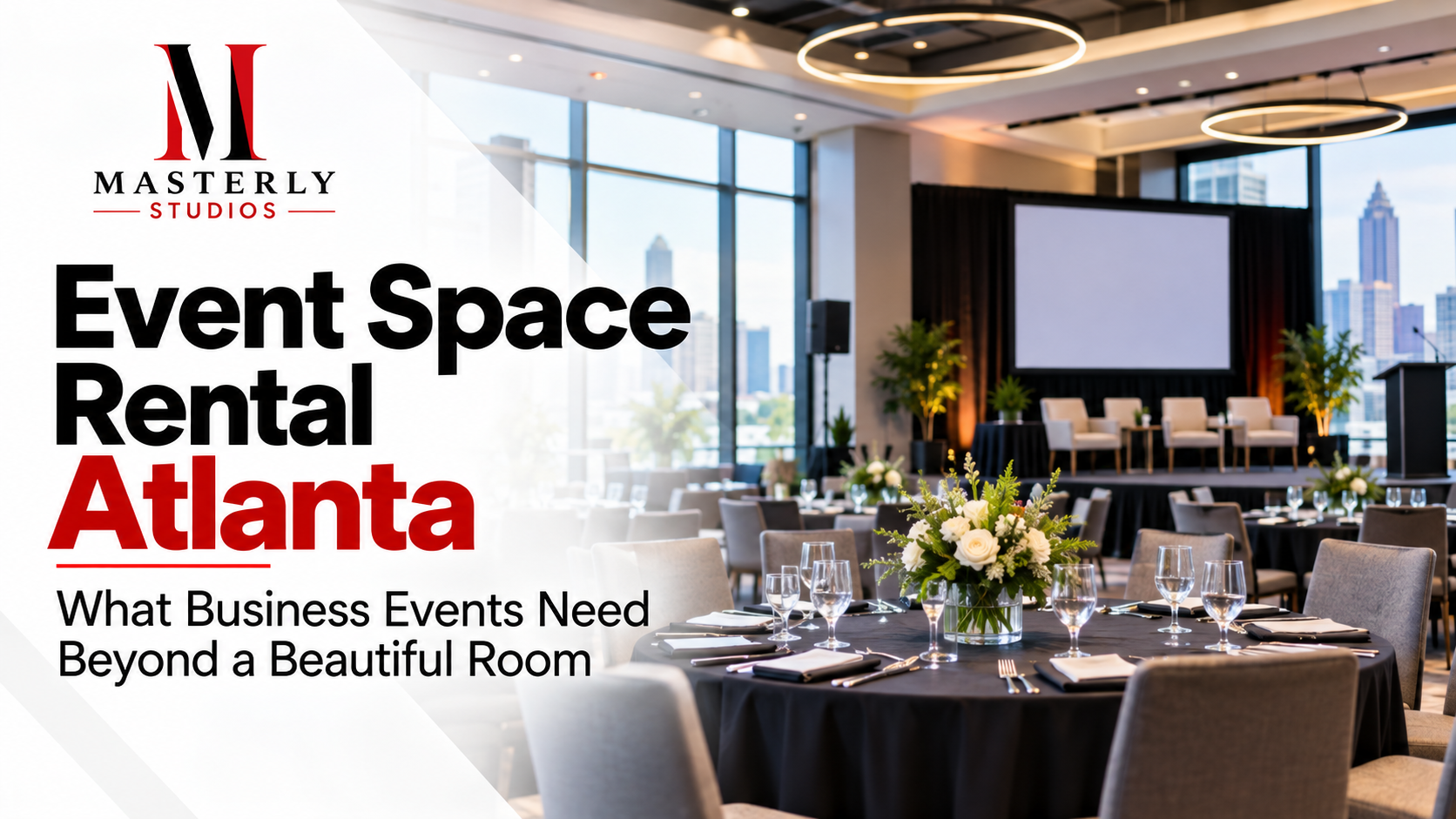
Plan your Atlanta event space rental with the right room size, guest flow, technical support, and scheduling. Request a venue tour to confirm the best fit.
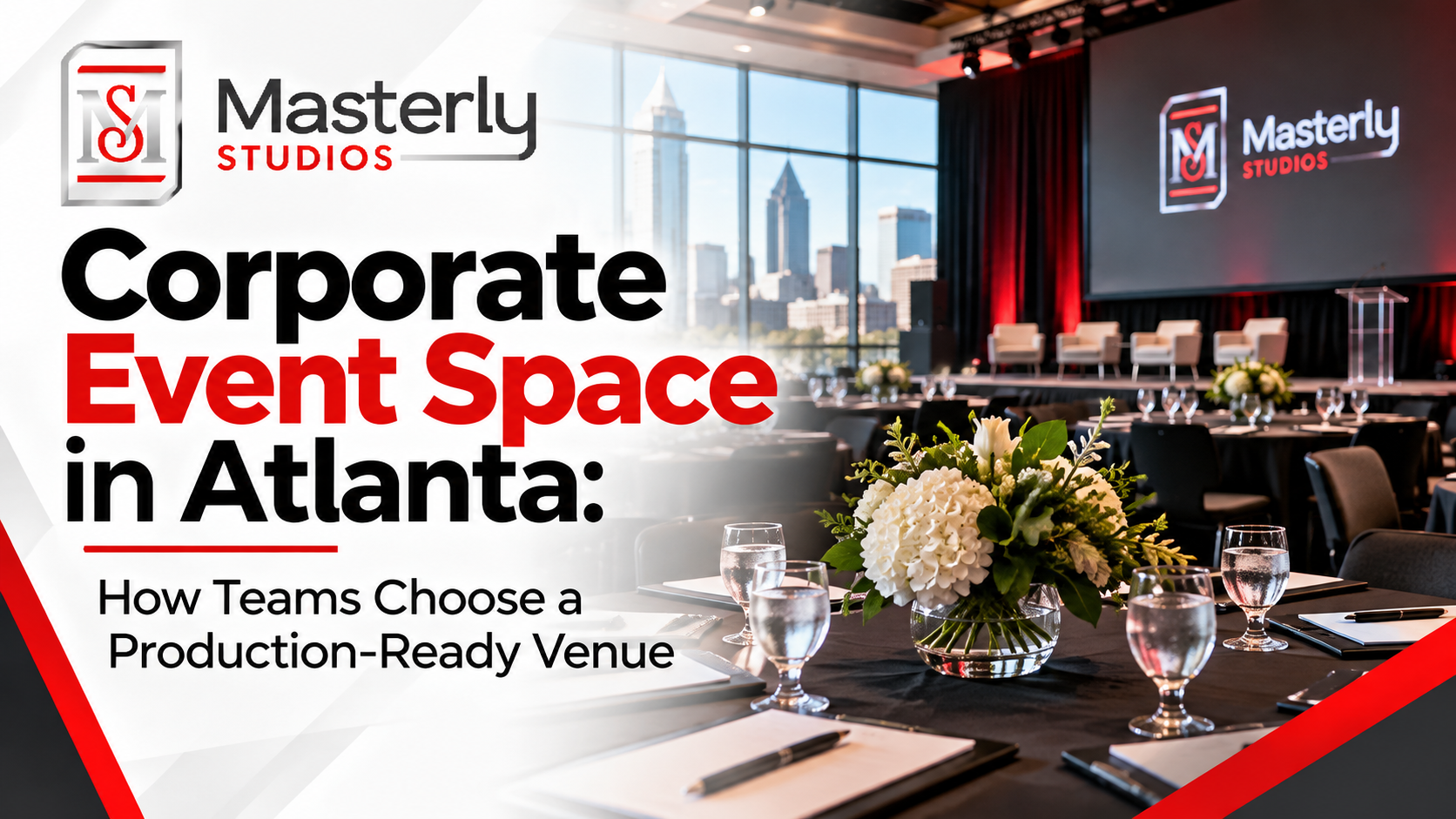
Explore what to consider when choosing Atlanta corporate event space, including room layouts, AV capabilities, parking, guest experience, and booking options.
Need a podcast lighting setup? Masterly Studios provides professional podcast and camera lighting in a prepared studio for consistent, polished video production.
Need a podcast studio setup? Masterly Studios offers a professional recording space with quality equipment, lighting, acoustics, and video support for creators.
Book a training venue in Atlanta for corporate workshops, employee training, and learning events with flexible layouts, A/V support, and professional amenities.
Learn how to record a video podcast in Atlanta with a professional studio setup, clear audio, polished lighting, guest support, and a smooth recording workflow.

Book a corporate Christmas party venue in Atlanta for year-end events with flexible space, A/V support, catering, branding, and more for your team and festive fun.
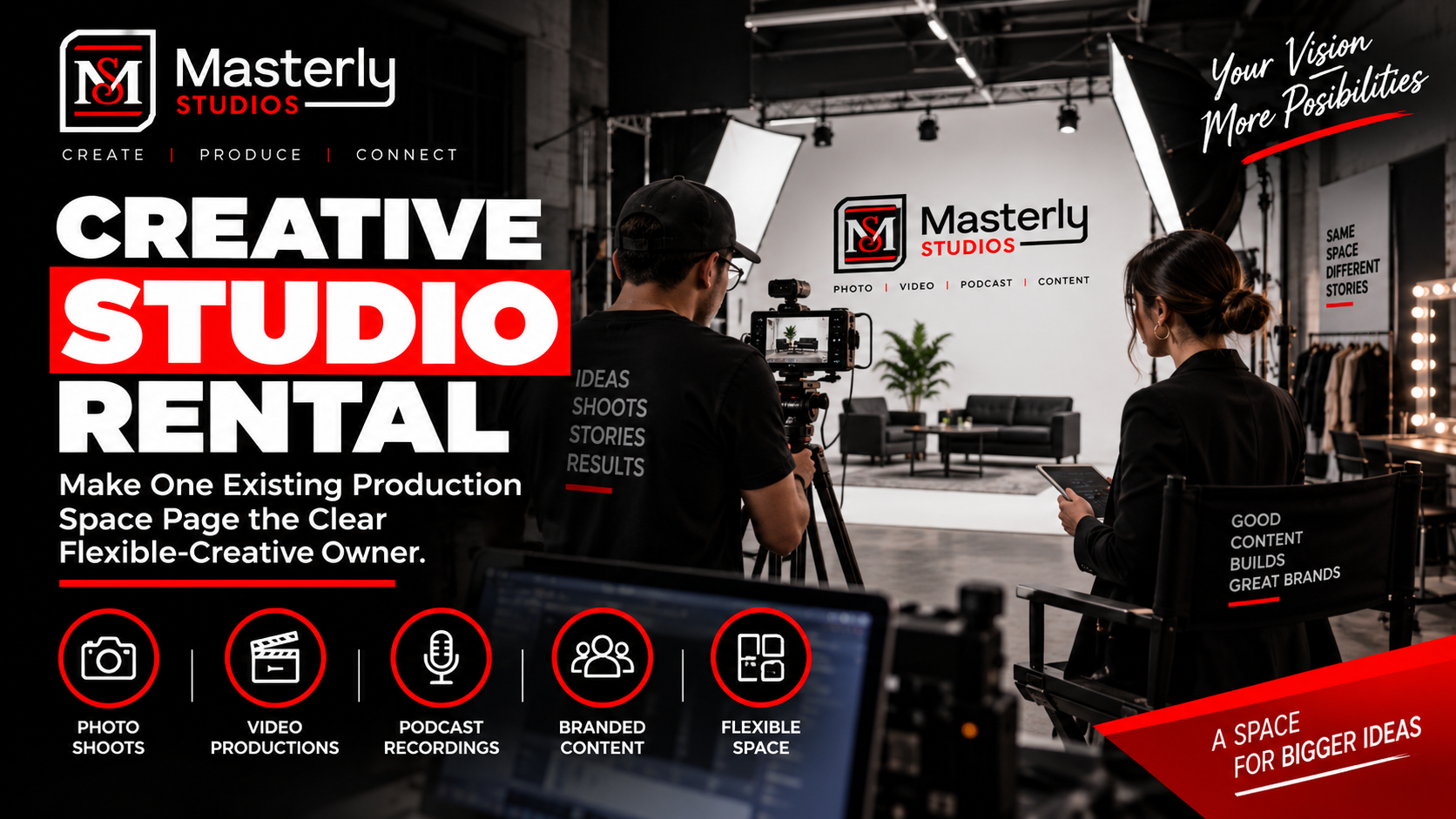
Book a creative studio rental for photography, video, branded content, and marketing campaigns with flexible production space at Masterly Studios for every project.
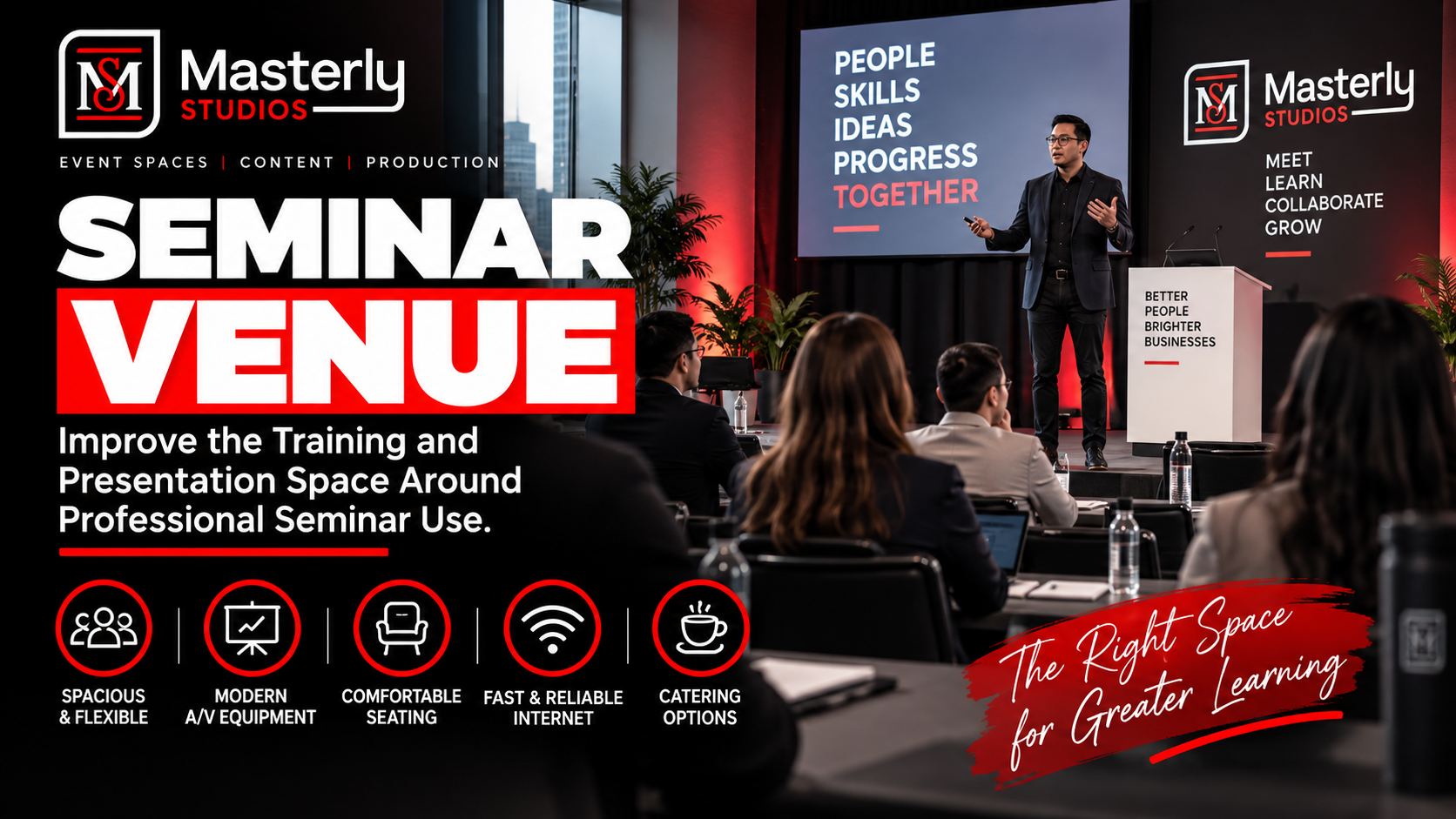
Book a professional seminar venue for training, presentations, and business events with flexible seating, A/V, check-in, parking, content support, and event setup.
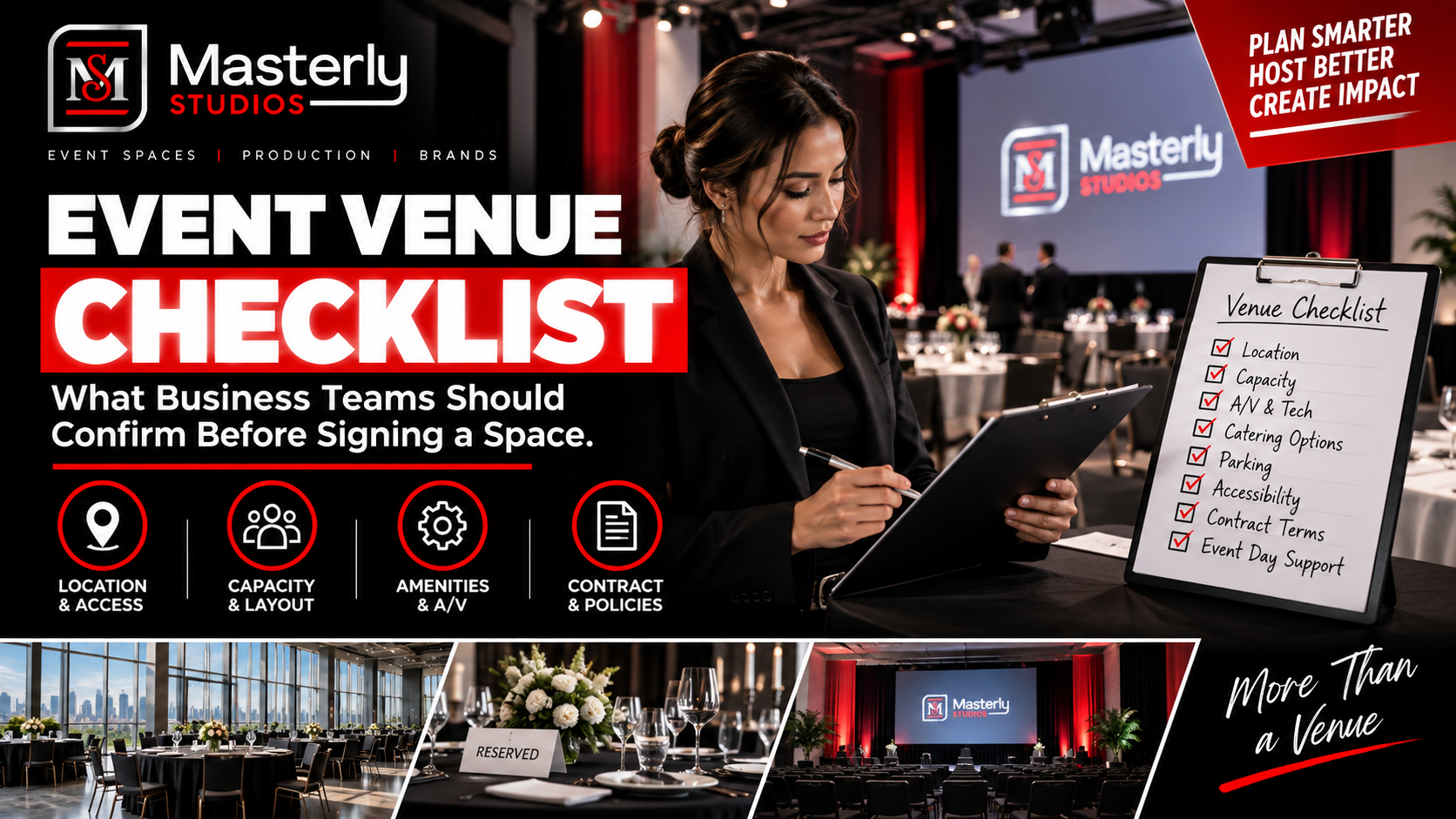
Use an event venue checklist to evaluate capacity, layout, parking, load-in, A/V, Wi-Fi, accessibility, catering, branding, production, and overtime needs.