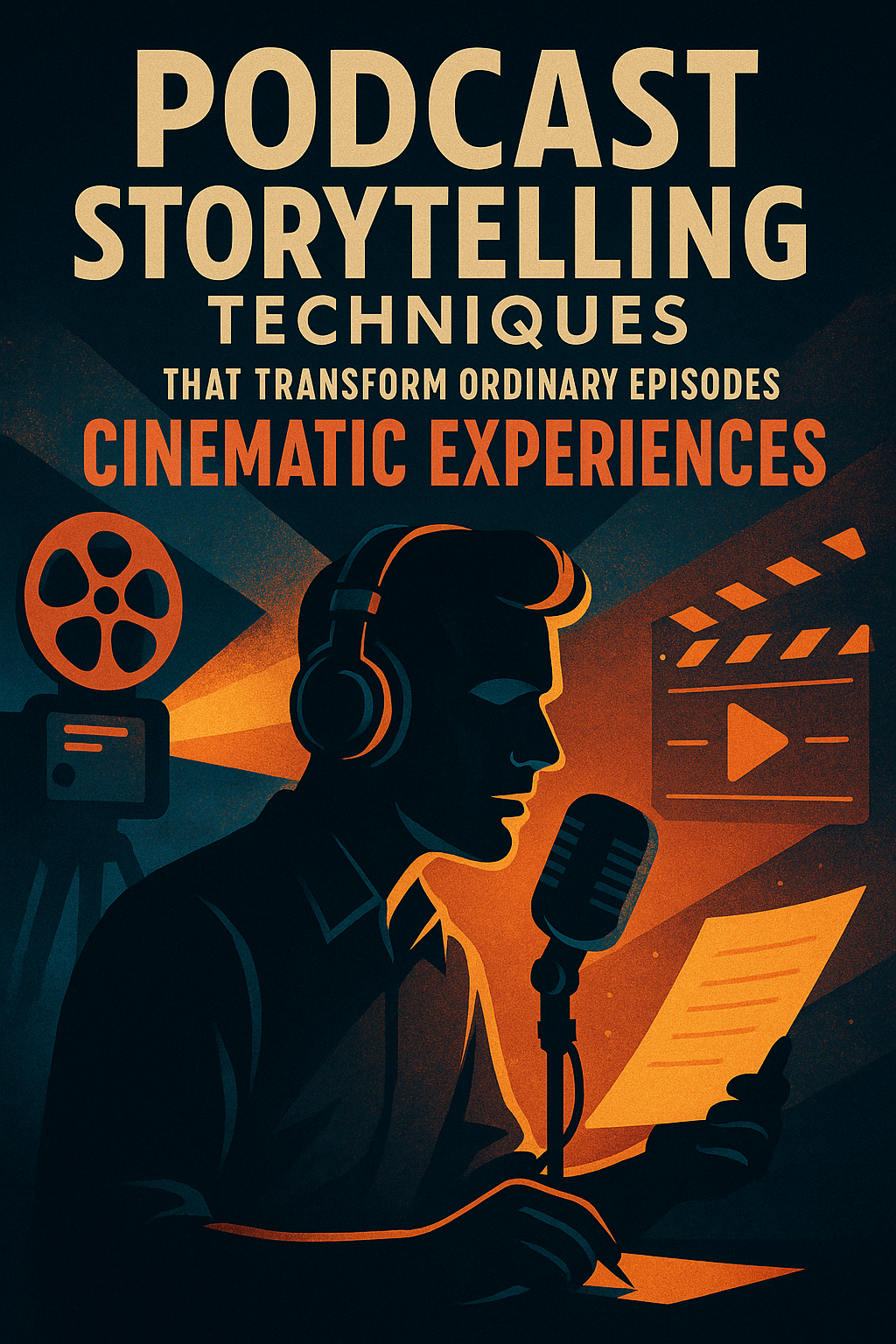
Podcast Storytelling Techniques That Transform Ordinary Episodes Into Cinematic Experiences
November 20, 2025
In today’s crowded audio world, listeners aren't just searching for another podcast — they want an unforgettable journey. They want original stories, emotion, drama, and narrative depth that feels bigger than everyday content. This article explores the advanced storytelling techniques used by the best storytelling podcasts and shows you how to elevate your episodes into immersive experiences. If you're serious about podcast storytelling, this guide is worth reading because it reveals how to compete with popular, award-winning shows and build episodes that truly live in your listener’s ear.
Many podcasts today follow a predictable pattern, which is why standing out matters more than ever in 2025. Shows like The Moth or other popular storytelling podcasts set the bar by using narrative arcs and emotional pacing. Their producers design each episode like a short feature, giving listeners an experience instead of simple content. This approach transforms passive listening into a memorable encounter.
Masterly Studios teaches creators how to adapt cinematic concepts into audio form. If you want your next episode to feel alive, you must approach pod casting as both an art and a craft.
Narrative techniques used in radio and theater translate beautifully into podcasting. They encourage episodes to build tension, explore character, and offer meaningful takeaways. Some of the best shows weave personal stories, vignettes, humor, and even fantasy elements to create a dynamic flow. This blend makes the story compelling.
Podcast creators who learn advanced structure techniques quickly become stronger storytellers. A great storyteller knows when to slow down, when to present action, and when to widen the emotional spotlight.
Listeners respond to authenticity. They want a host who understands them, speaks with clarity, and builds trust through meaningful delivery. A good storyteller becomes part narrator, part guide, and part performer. Your job is to bring the drama, charm, or humor to the forefront without overshadowing the story.
Masterly Studios trains podcasters to adapt their host style for maximum impact. With the right techniques, your voice becomes a character of its own.
Think of award-winning shows that use layered soundscapes. With careful mixing, even a simple audio cue can turn an ordinary moment into a dramatic encounter. A subtle hum, a rising score, or a quiet pause adds depth and texture. This is where podcasting becomes immersive.
Podcasters who master advanced sound design stand out immediately. Good stories deserve sound that matches their heart and intensity.
Emotion doesn’t come from over-performing — it comes from truth. Even comedy, supernatural stories, or tales rooted in journalism benefit from genuine delivery . Podcasters who create emotional arcs allow listeners to feel connected to the storyteller, making each episode more memorable.
In our workshop, we show podcasters how to feel the story as they tell it. Emotion is the core of impactful storytelling.
Some of the best shows use the moth technique: raw, live storytelling mixed with powerful emotional beats. Even without a crowd, you can recreate this intensity with pacing and editing. Drama pulls the listener forward and keeps them invested. This is where Masterly Studios helps podcasters elevate their craft. With advanced audio training, your storytelling becomes cinematic and unforgettable.
A strong storyteller understands how to balance character, pacing, and plot. Featuring outside voices or adapting personal stories can enhance authenticity. It depends on the structure of your narrative.
Our workshop shows p odcasters how to choose the right approach for each story. Your choices shape the story’s impact.
Nonfiction storytellers should treat each episode like a story rather than a report. Even when covering true crime or culture-based content, the emotional through-line must remain present. This keeps the audience engaged and immersed. At Masterly Studios, we help podcasters adapt nonfiction stories into cinematic storytelling. It’s about more than truth — it’s about how the truth is told.
Shows with fantasy elements, fairy tales, or even supernatural themes are gaining popularity. Meanwhile, nonfiction podcasts continue to dominate because of their emotional depth and authenticity. To thrive, podcasters must understand how to blend genres, tones, and formats.
A great storyteller doesn’t imitate — they adapt existing techniques into their own voice. That’s what we teach at Masterly Studios.
These techniques transform a standard podcast into an immersive audio experience. They also encourage creators to experiment with structure, emotion, and tone.
When done well, liste ners don’t just hear the story — they feel it.
A compelling character doesn’t have to be dramatic. They can be a friend, a stranger, or even the host. What matters is how the story presents them. Good character work creates memorable scenes that stay in the listener’s mind.
With training, podcasters learn to highlight personality traits in subtle, effective ways. This elevates every episode.
1. What Makes a Podcast Episode Feel Cinematic?
A truly cinem atic podcast starts with powerful storytelling that goes beyond casual conversation. The best shows blend structure, sound, and emotion to create an immersive atmosphere. When listeners press play, they should feel pulled into a world crafted with intention and care. Cinematic techniques give your episodes weight and meaning.Many podcasts today follow a predictable pattern, which is why standing out matters more than ever in 2025. Shows like The Moth or other popular storytelling podcasts set the bar by using narrative arcs and emotional pacing. Their producers design each episode like a short feature, giving listeners an experience instead of simple content. This approach transforms passive listening into a memorable encounter.
Masterly Studios teaches creators how to adapt cinematic concepts into audio form. If you want your next episode to feel alive, you must approach pod casting as both an art and a craft.
2. How Can Podcasters Use Narrative Structure Effectively?
Strong narrative structure is the backbone of every great storytelling show. Even nonfiction podcasters benefit from mapping out a beginning, middle, and end. This helps transform raw ideas into polished tales that resonate with the listener. A structured narrative gives your podcast a sense of purpose and direction.Narrative techniques used in radio and theater translate beautifully into podcasting. They encourage episodes to build tension, explore character, and offer meaningful takeaways. Some of the best shows weave personal stories, vignettes, humor, and even fantasy elements to create a dynamic flow. This blend makes the story compelling.
Podcast creators who learn advanced structure techniques quickly become stronger storytellers. A great storyteller knows when to slow down, when to present action, and when to widen the emotional spotlight.
3. How Does a Host Bring a Story to Life?
A podca st host guides the audience through the emotional journey of each episode. Your voice becomes the anchor, carrying the listener through suspense, surprise, or reflection. Skilled hosts know how to tell stories with nuance, pacing, and intention. The host must understand how the narrative feels in the ear.Listeners respond to authenticity. They want a host who understands them, speaks with clarity, and builds trust through meaningful delivery. A good storyteller becomes part narrator, part guide, and part performer. Your job is to bring the drama, charm, or humor to the forefront without overshadowing the story.
Masterly Studios trains podcasters to adapt their host style for maximum impact. With the right techniques, your voice becomes a character of its own.
4. What Role Does Audio Play in Storytelling Podcasts?
Great storytelling is not just about words — it’s about audio design that elevates the entire production. Music, sound effects, and silence can shift the emotional tone of an episode instantly. These elements shape the listener’s perception and pull them deeper into the story.Think of award-winning shows that use layered soundscapes. With careful mixing, even a simple audio cue can turn an ordinary moment into a dramatic encounter. A subtle hum, a rising score, or a quiet pause adds depth and texture. This is where podcasting becomes immersive.
Podcasters who master advanced sound design stand out immediately. Good stories deserve sound that matches their heart and intensity.
5. How Do Podcasts Capture Emotion Like a Movie?
The best story telling podcasts embrace emotion as their driving force. Whether it's a tale of adventure, a raw confession, or a heartbreaking revelation, emotional resonance is what makes listeners stay. When you craft stories behind the scenes with intention, the impact shows.Emotion doesn’t come from over-performing — it comes from truth. Even comedy, supernatural stories, or tales rooted in journalism benefit from genuine delivery . Podcasters who create emotional arcs allow listeners to feel connected to the storyteller, making each episode more memorable.
In our workshop, we show podcasters how to feel the story as they tell it. Emotion is the core of impactful storytelling.
6. How Can Podcasters Use Sound to Create Drama?
Drama in p odcasting comes from careful planning and execution. A simple shift in pace, tone, or audio can transform a story instantly. Music underscores tension, while silence magnifies uncertainty. These decisions elevate your episode into a high-quality production.Some of the best shows use the moth technique: raw, live storytelling mixed with powerful emotional beats. Even without a crowd, you can recreate this intensity with pacing and editing. Drama pulls the listener forward and keeps them invested. This is where Masterly Studios helps podcasters elevate their craft. With advanced audio training, your storytelling becomes cinematic and unforgettable.
7. Should Podcasters Feature Guests or Keep Stories Solo?
Adding a guest to your episode can introduce new energy and perspective. Interviews (even short ones) help unfold the story in a dynamic way. But not all episodes need additional voices. Some stories shine best with a single narrator guiding the journey.A strong storyteller understands how to balance character, pacing, and plot. Featuring outside voices or adapting personal stories can enhance authenticity. It depends on the structure of your narrative.
Our workshop shows p odcasters how to choose the right approach for each story. Your choices shape the story’s impact.
8. How Do Podcasters Bring Nonfiction Stories to Life?
Nonficti on podcasting is more than presenting facts — it’s about weaving reality into an engaging narrative. Shows rooted in journalism or public radio use pacing, mood, and structure to make information feel alive. They often blend interviews, investigation, and storytelling rhythms to create gripping audio journeys.Nonfiction storytellers should treat each episode like a story rather than a report. Even when covering true crime or culture-based content, the emotional through-line must remain present. This keeps the audience engaged and immersed. At Masterly Studios, we help podcasters adapt nonfiction stories into cinematic storytelling. It’s about more than truth — it’s about how the truth is told.
9. How Can Podcasters Adapt Popular Story Styles for 2025?
Podcastin g continues to evolve, and listener expectations change with it. As we move through 2025, creators must adjust their storytelling techniques to match new audience habits. Adaptation ensures your show stays relevant, competitive, and innovative.Shows with fantasy elements, fairy tales, or even supernatural themes are gaining popularity. Meanwhile, nonfiction podcasts continue to dominate because of their emotional depth and authenticity. To thrive, podcasters must understand how to blend genres, tones, and formats.
A great storyteller doesn’t imitate — they adapt existing techniques into their own voice. That’s what we teach at Masterly Studios.
10. What Techniques Help Podcasters Build Cinematic Episodes?
To create c inematic storytelling, podcasters should focus on:- blending music and narrative with purpose
- shaping pacing like a theatrical play
- creating original stories inspired by real encounters
- adding dramatic beats with thoughtful sound cues
- using the host voice to heighten emotion
These techniques transform a standard podcast into an immersive audio experience. They also encourage creators to experiment with structure, emotion, and tone.
When done well, liste ners don’t just hear the story — they feel it.
11. How Do Podcasters Craft Memorable Characters and Voices?
Charact ers are the heartbeat of a storytelling podcast. Even nonfiction shows rely on character-driven moments to humanize the narrative. Podcasters must learn how to bring personalities to life through voice, pacing, and detail.A compelling character doesn’t have to be dramatic. They can be a friend, a stranger, or even the host. What matters is how the story presents them. Good character work creates memorable scenes that stay in the listener’s mind.
With training, podcasters learn to highlight personality traits in subtle, effective ways. This elevates every episode.
Most Important Lessons to Remember
- Cinematic podcasting r equires more than a good story — it demands craft and planning.
- Emotion , pacing, and sound design create immersive experiences.
- Strong structure makes stories more impactful and memorable.
- Hosts must guide listeners with intention and authenticity.
- Advanced techniques separate professional-level shows from average ones.
- Masterly Studios offers training that helps podcasters compete with the best storytelling podcasts.
Engaging Podcast Storytelling
Podcast storytelling has become an extraordinary medium that entertains and informs audiences. Each week, a new episode is released, providing listeners with captivating stories that range across various cultures and experiences. This format allows journalists to delve into the origin of fascinating tales, offering insights that keep audiences coming back for more.One of the standout features of this platform is its ability to feed the curiosity of listeners, while also allowing them to download their favorite episodes for on-the-go enjoyment. As podcasts continue to gain popularity, many shows have received awards for their innovative storytelling techniques and compelling content.
For those in Atlanta and beyond, the podcast scene is vibrant and full of potential. With half-hour episodes that are easy to digest, listeners can explore a variety of topics that resonate with their interests. Whether you’re looking for a weekly dose of inspiration or an entertaining story to brighten your day, there is something for everyone in the world of podcast storytelling. So, if you haven’t yet, be sure to check out the latest podcast reviews and discover the extraordinary stories waiting to be heard!
Contact Masterly Studios
If you’re ready to elevate you r storytelling podcast and create episodes that resonate like cinematic experiences, Masterly Studios is here to help. Our team works with creators across the country, offering expert guidance to strengthen your voice, structure your stories, and build powerful productions that keep listeners engaged. Whether you're refining your narrative style or upgrading your entire show, we’re ready to support your next chapter as a creator.Call (888) 209-4055 to book a free consultation and learn how professional storytelling training can transform your podcast into something unforgettable.
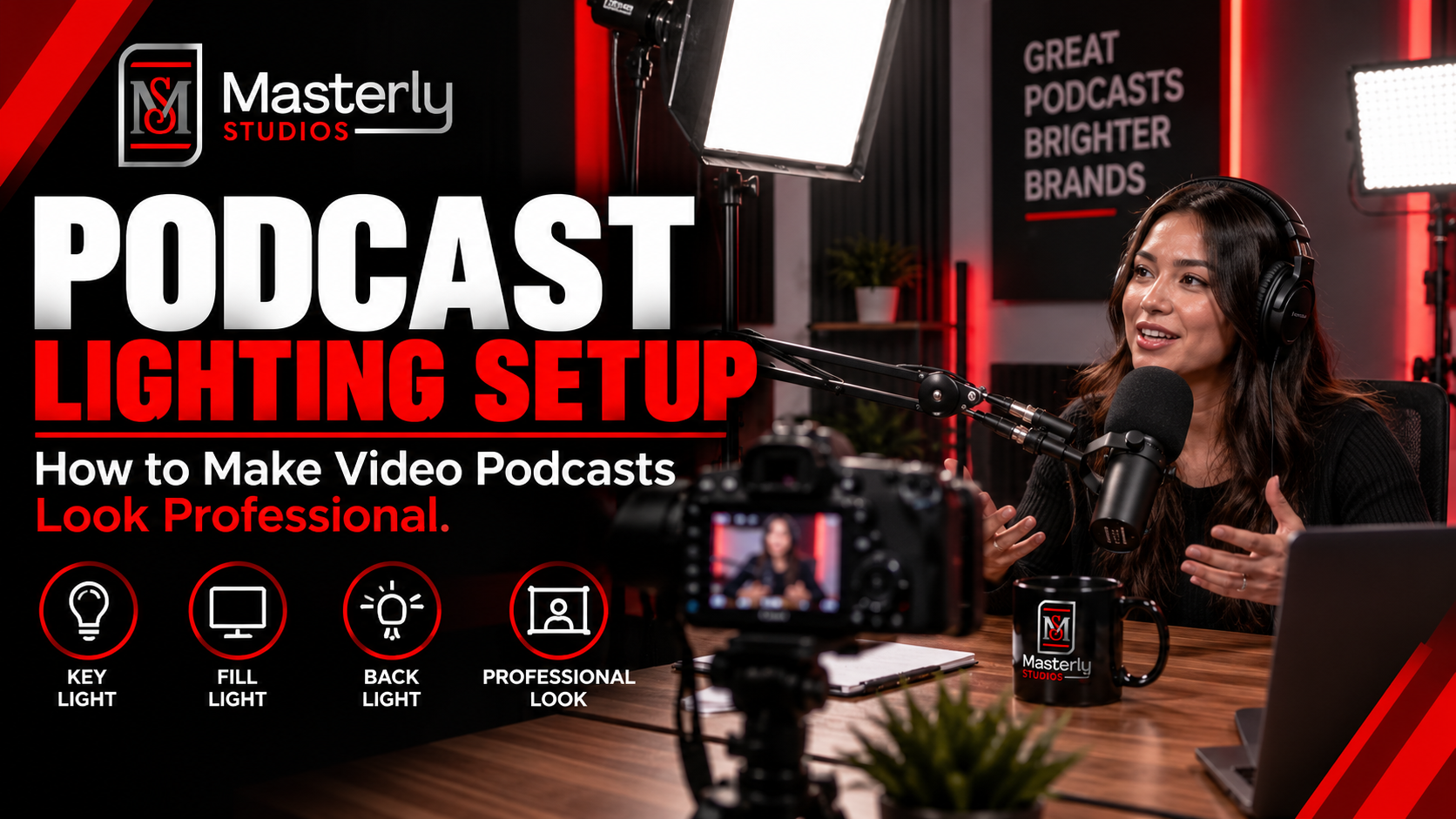
Need a podcast lighting setup? Masterly Studios provides professional podcast and camera lighting in a prepared studio for consistent, polished video production.
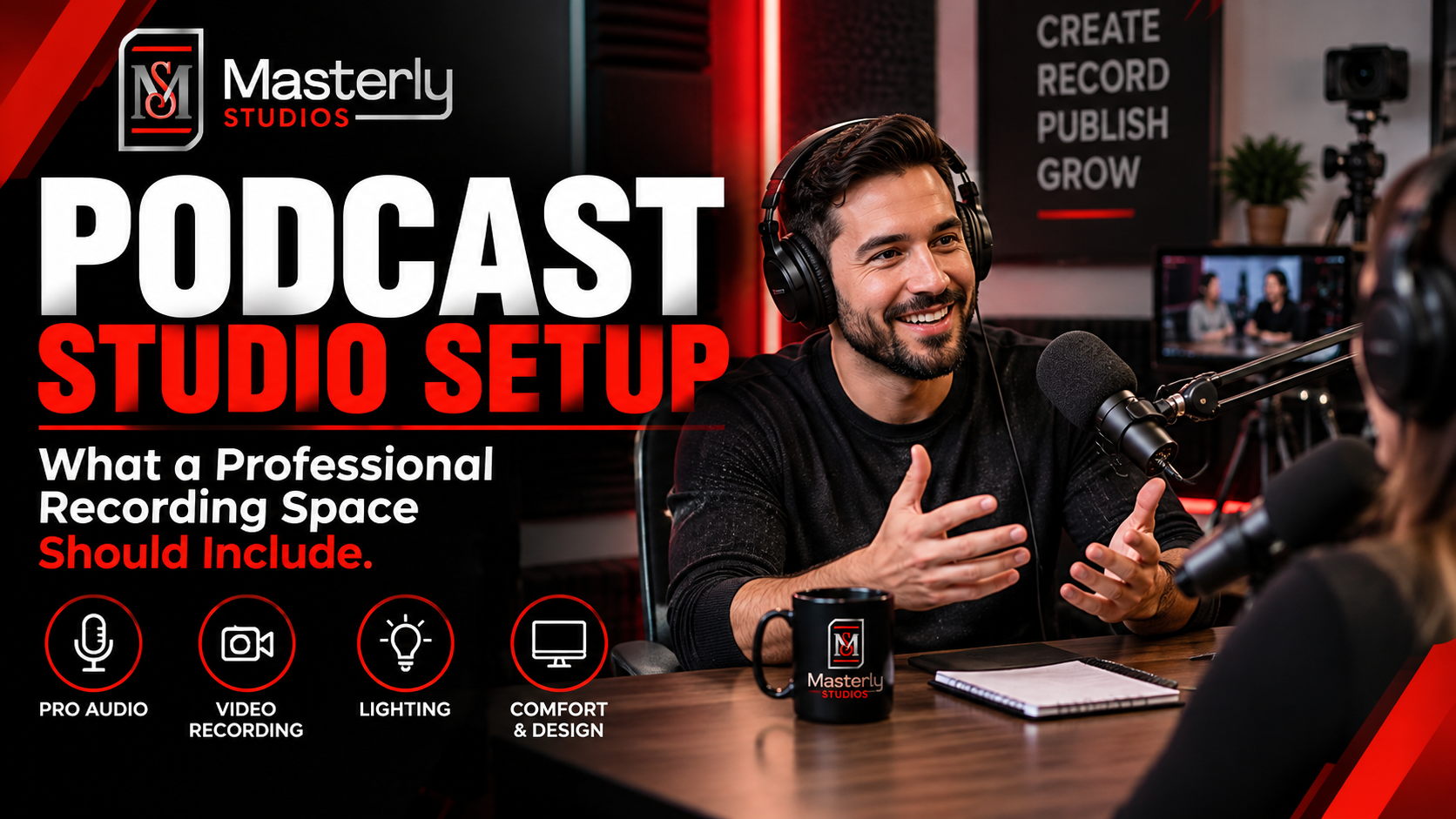
Need a podcast studio setup? Masterly Studios offers a professional recording space with quality equipment, lighting, acoustics, and video support for creators.
Book a training venue in Atlanta for corporate workshops, employee training, and learning events with flexible layouts, A/V support, and professional amenities.
Learn how to record a video podcast in Atlanta with a professional studio setup, clear audio, polished lighting, guest support, and a smooth recording workflow.

Book a corporate Christmas party venue in Atlanta for year-end events with flexible space, A/V support, catering, branding, and more for your team and festive fun.
Book a creative studio rental for photography, video, branded content, and marketing campaigns with flexible production space at Masterly Studios for every project.
Book a professional seminar venue for training, presentations, and business events with flexible seating, A/V, check-in, parking, content support, and event setup.
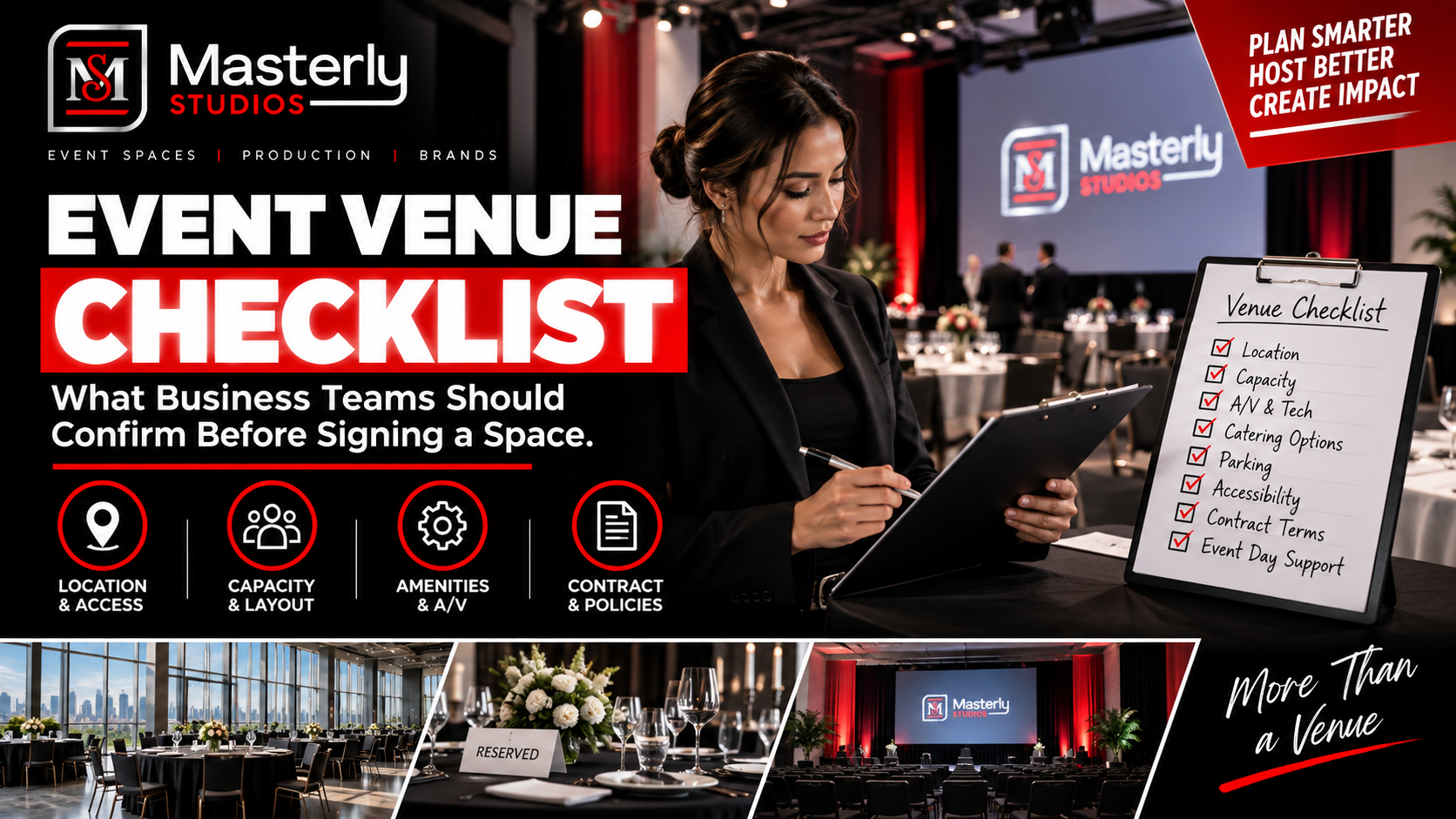
Use an event venue checklist to evaluate capacity, layout, parking, load-in, A/V, Wi-Fi, accessibility, catering, branding, production, and overtime needs.
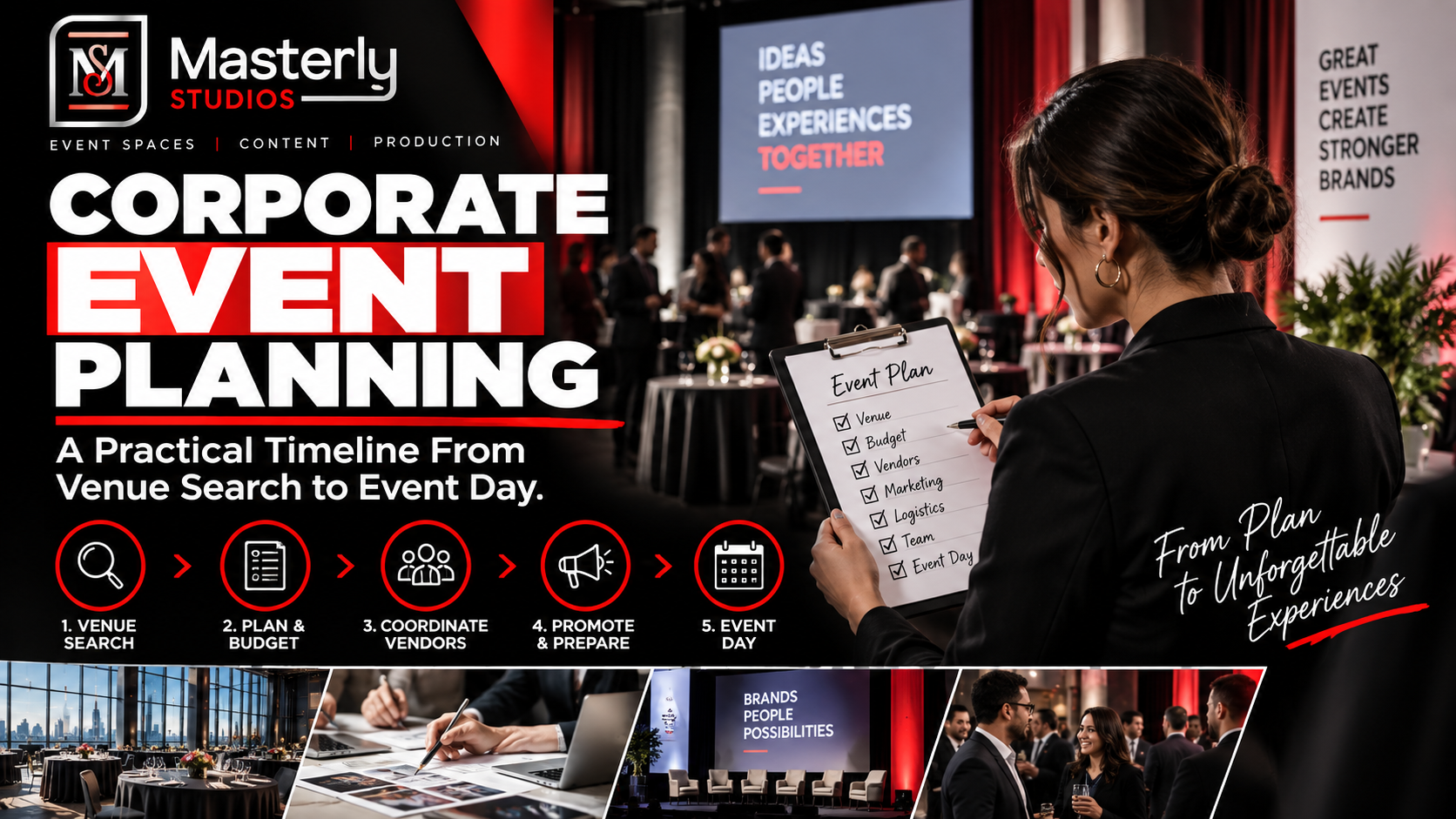
Plan corporate events with professional support for venues, A/V, catering, speakers, content capture, access, and production at Masterly Studios in Atlanta.
Find the right event space in Atlanta by confirming capacity, AV, parking, catering, layouts, accessibility, and production support before booking. Masterly Studios