Protecting Your Podcast Brand Through Proper Music Licensing and Copyright Compliance
March 23, 2026
Why Music Choices Can Make or Break Your Podcast Brand
There’s a moment every podcast creator remembers—the first time their intro music plays and everything suddenly feels real. That opening sound sets the tone, builds identity, and gives listeners something familiar to connect with. But behind that creative decision is a serious legal responsibility that many podcasters overlook.Using music without proper permission can quietly damage your brand long before you realize it. What seems like a harmless choice—adding a trending song or pulling a track from a spotify playlist—can lead to copyright infringement claims, loss of monetization, or even removal from major platforms. For podcasters who want to build a lasting business, understanding music licensing is not optional—it’s essential.
Understanding Music Licensing for Podcasts
What Music Licensing Actually Means
Music licensing is the process of obtaining permission to use a piece of music in your podcast. Every song, track, and recording is considered intellectual property, which means someone owns the rights to it. Whether it’s a popular pop song or a track from independent artists, you cannot simply use it without a proper license.In most cases, using podcast music requires more than one type of license. You may need permission from both the copyright owner of the composition and the owner of the master recording. This is where many podcasters run into trouble—they assume access equals permission, which is not the case.
Why Copyright Laws Matter for Podcasters
Copyright laws are designed to protect artists, composers, and music publishers who create music. When you use copyrighted music without permission, it may be considered copyright infringement, even if your podcast is small or not making money yet. Platforms like Apple Music, YouTube, and streaming services have strict enforcement systems. They can detect copyrighted songs and remove your episode or limit your reach. This directly impacts your ability to grow your audience and build credibility.The Types of Music Licenses You Need
The Importance of a Podcast Music License
A podcast music license is what allows you to legally use music in your episodes. Without it, you risk violating copyright laws and damaging your brand. This license ensures that you have obtained permission from the appropriate rights holders. When selecting a podcast music license, it’s important to understand what is covered. Some licenses allow limited use, while others provide broader rights for commercial use and distribution.Understanding the Sync License
One of the most important licenses for podcasters is the sync license. A sync license allows you to pair music with audio or video content, such as a podcast episode or promotional video.If you plan to include music in your intro, outro, or background, a sync license is typically required. This applies whether you are using high quality music from record labels or working directly with an artist. Without a sync license, even short clips can lead to copyright infringement claims.
Where Podcasters Get Music
Working With Record Labels and Publishers
Many podcasters assume they can use music from record labels simply by crediting the artist. However, record labels and publishers control how music is used and distributed. You must obtain permission before using any copyrighted songs. Music publishers manage the rights to compositions, while record labels often control the master recording. Both parties may need to approve your use of the track. This is why licensing can feel complex without proper guidance.Exploring Royalty Free Music Options
Royalty free music is often a cost effective option for podcasters. It allows you to use music without paying ongoing royalties, as long as you follow the license terms. However, even royalty free music comes with conditions, and you should always review the fine print.Royalty free does not mean “free of rules.” It simply means you pay once for usage rights. Always confirm that the license covers podcast production and distribution.
Choosing the Right Music for Your Podcast
Matching Music to Your Brand
The right music does more than fill silence—it shapes your brand identity. Your intro music, outro music, and background sound should reflect your message, tone, and audience. A well-chosen track can enhance your story and keep listeners engaged. For example, a business podcast may benefit from a polished and professional sound, while a creative show may lean toward a more experimental genre. Choosing the perfect song requires both creativity and strategy.Elements to Consider
- The mood you want to create for listeners
- The genre that aligns with your content
- The quality of the recording and production
- Whether the track fits your long-term brand
These decisions can impact how your podcast is perceived in a competitive market.
Common Mistakes That Lead to Copyright Issues
Assuming Fair Use Applies
Many podcasters believe that fair use allows them to use copyrighted material freely. However, fair use is limited and often misunderstood. In most cases, using music in a podcast does not qualify as fair use.Under some circumstances, fair use often applies to criticism, commentary, and educational purposes. Even then, it is evaluated on a case-by-case basis. Relying on fair use without legal advice can put your podcast at risk.
Using Music From Streaming Platforms
Downloading a song from Apple Music or another platform does not give you the right to use it in your podcast. These services are for personal listening, not public distribution.Using music from a spotify playlist or similar platform without a license is a common mistake. It may seem convenient, but it can lead to serious consequences for your project.
How Music Licensing Impacts Monetization
Protecting Your Ability to Earn
If you plan on making money from your podcast, proper licensing becomes even more important. Sponsors, advertisers, and platforms expect compliance with copyright laws.Using unlicensed music can result in:
- Episodes being removed or muted
- Loss of sponsorship opportunities
- Revenue restrictions on platforms
These issues can prevent your podcast from reaching its full potential.
Building Trust With Sponsors
Sponsors want to work with podcasters who operate professionally. A podcast that respects intellectual property shows credibility and reliability.When your podcast follows proper licensing practices, it becomes easier to attract partnerships and grow your business.
Working With Independent Artists and Composers
Collaborating With Creators
Many podcasters choose to work with independent artists or composers to create custom music. This approach allows you to build a unique sound while supporting creators.When working with an artist, it’s important to define the terms clearly. This includes how the music will be used, whether you have exclusive rights, and how credit will be given.
Benefits of Custom Music
Custom music can give your podcast a distinct identity that stands out in the crowded podcast world. It also reduces the risk of copyright issues when handled properly.The Role of Legal Guidance in Music Licensing
Why Legal Support Matters
Music licensing can involve multiple parties, including rights holders, publishers, and record labels. Understanding these relationships requires knowledge of copyright law.Working with a copyright law firm can help ensure that your podcast is fully compliant. Legal professionals can review contracts, explain licensing terms, and help you avoid costly mistakes.
Avoiding Copyright Infringement Claims
Proper licensing reduces the risk of copyright infringement claims. It also protects your content from being removed or restricted by platforms.Taking the time to secure the right licenses shows that you are serious about your podcast as a business.
Protecting Your Podcast Brand Long-Term
Building a Sustainable Podcast
Your podcast is more than a creative outlet—it is a brand, a business, and a long-term project. Every decision you make, including your music choices, contributes to its success.By investing in proper licensing, you protect your content, your reputation, and your future opportunities. This allows you to focus on creating valuable content for your listeners.
Staying Compliant as You Grow
As your podcast grows, your licensing needs may change. Expanding into video, live music segments, or additional platforms may require new permissions. Staying informed and proactive ensures that your podcast remains compliant as it evolves.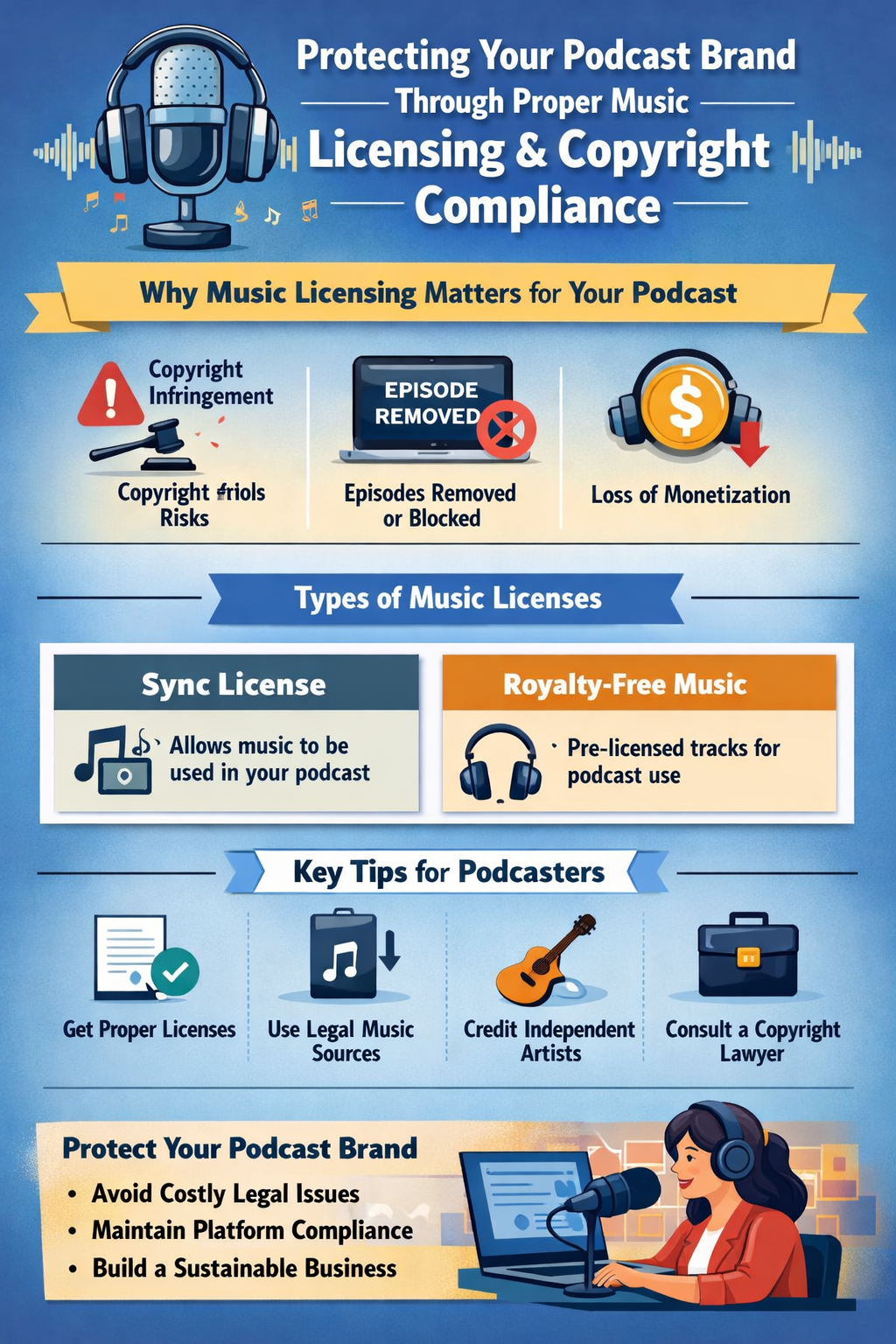
When You Play Music in Your Podcast, Permission Matters
Many creators assume they can simply play music in their podcast the same way they would on the radio, but the rules are very different. When you play music publicly, especially as part of a podcast, you must ensure you have the proper rights and approvals. Unlike personal listening, distributing audio content to listeners requires legal clearance. Failing to secure permission can lead to copyright issues that affect your entire project.Why You Must Properly License Music Before Publishing
Before you license music for your podcast, it is important to understand what rights you are actually receiving. A license allows you to use a track in a specific way, but not all licenses cover podcast distribution. Some licenses may only apply to personal or limited use, which does not extend to publishing episodes for a wide audience. Taking the time to license music correctly helps protect your content and ensures long-term growth.Choosing the Right Song for Your Podcast Identity
Selecting the right song is more than just a creative decision—it is a strategic one. The music you choose should align with your message, your audience, and the overall tone of your podcast. A strong match between your content and your music can help listeners connect more deeply with your brand. Taking time to choose the right song can elevate the entire listening experience.Using Sound Effects to Enhance Your Production
Sound effects can add depth and personality to your podcast when used correctly. From subtle background ambiance to more noticeable transitions, sound effects help shape how your content is perceived. However, just like music, these elements may require proper licensing depending on their source. Ensuring you have the right to use sound effects keeps your production both creative and compliant.Why Podcast Rules Differ From Traditional Radio
Many creators compare podcasting to radio, but the legal requirements are not the same. Radio stations often operate under blanket licenses that allow them to broadcast music, while podcasters must secure individual permissions. This difference can lead to confusion for new creators. Understanding how podcasting differs from radio helps you avoid costly mistakes.What Your Audience Will Hear Shapes Your Brand
What your listeners hear in your podcast plays a major role in how your brand is perceived. The tone, quality, and style of your audio all contribute to the overall experience. Every element—from music to transitions—should be chosen intentionally. A well-crafted sound can leave a lasting impression on your audience.Understanding the Form of Licensing Agreements
Every license comes in a specific form that outlines how music or audio can be used. These agreements define the scope of your rights, including where and how the content can be distributed. Reviewing the form carefully ensures you understand your responsibilities. Clear agreements help prevent misunderstandings and protect your project.How the User Experience Is Influenced by Audio Choices
The user experience of your podcast is directly affected by your audio decisions. Music, pacing, and sound design all contribute to how easily listeners engage with your content. A thoughtful approach to audio can keep users interested and coming back for more. Strong production choices enhance both quality and professionalism.Working With Bands and Original Music Creators
Collaborating with bands or independent artists can be a great way to create unique podcast music. This approach allows you to develop a custom sound that sets your podcast apart. However, it is still important to establish clear agreements regarding usage rights and ownership. Working with bands can be both creative and strategic when handled properly.Speak With Masterly Studios About Your Podcast
If you are building a podcast and want to protect your brand, you do not have to navigate music licensing alone. At Masterly Studios, we work with creators across the country to help them produce high-quality content while staying compliant with copyright laws.Our team understands the importance of selecting the right music, securing the proper license, and building a podcast that stands out. Whether you are just starting your project or scaling your production, we are here to help you make informed decisions.
Call us today at (888) 209-4055 to book a free consultation. We will answer your questions, guide you through the licensing process, and help you protect your podcast from unnecessary risks.
This article is for educational purposes only and does not constitute legal advice. For specific legal concerns, consult with a qualified copyright law firm.
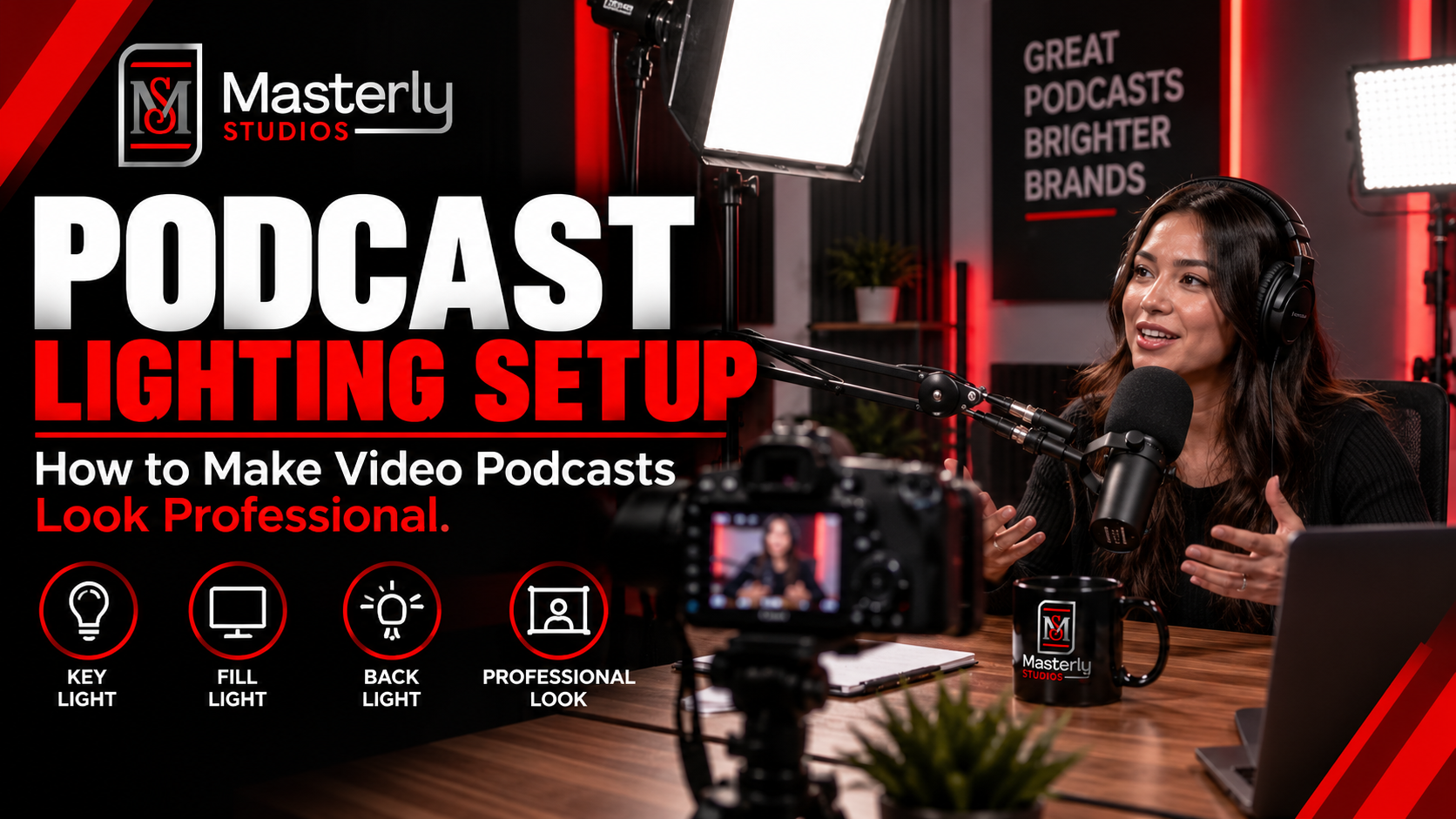
Need a podcast lighting setup? Masterly Studios provides professional podcast and camera lighting in a prepared studio for consistent, polished video production.
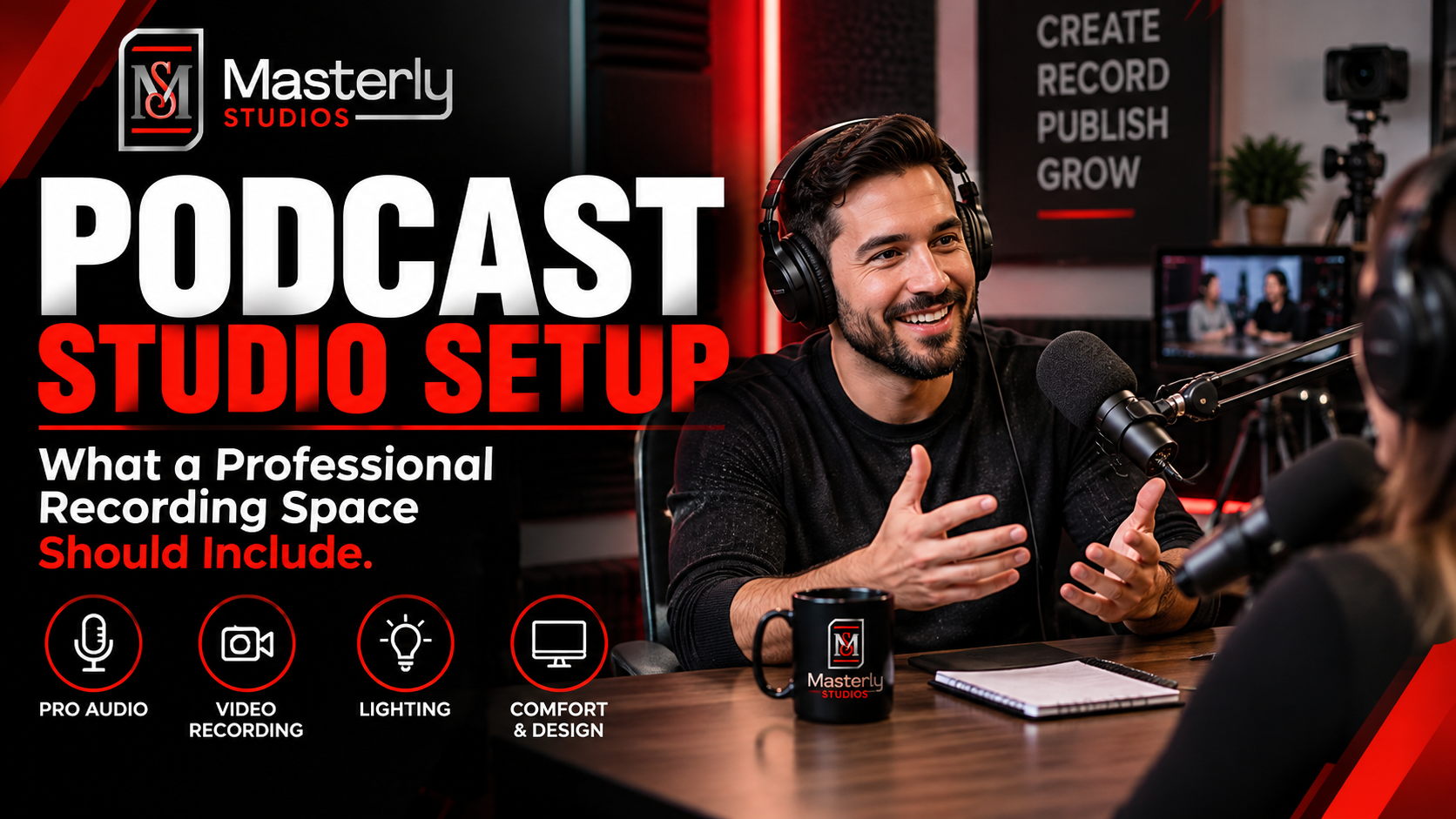
Need a podcast studio setup? Masterly Studios offers a professional recording space with quality equipment, lighting, acoustics, and video support for creators.
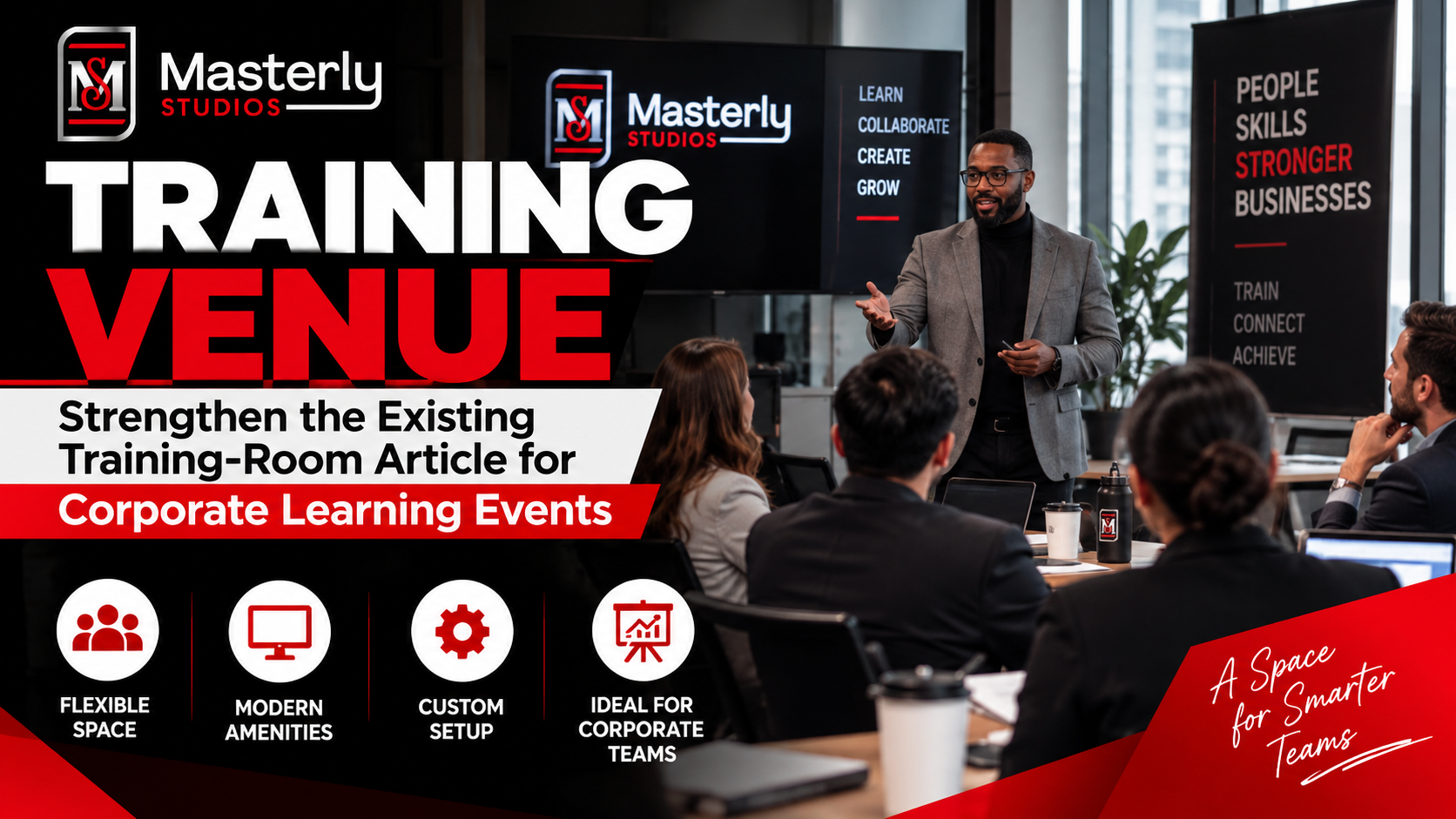
Book a training venue in Atlanta for corporate workshops, employee training, and learning events with flexible layouts, A/V support, and professional amenities.
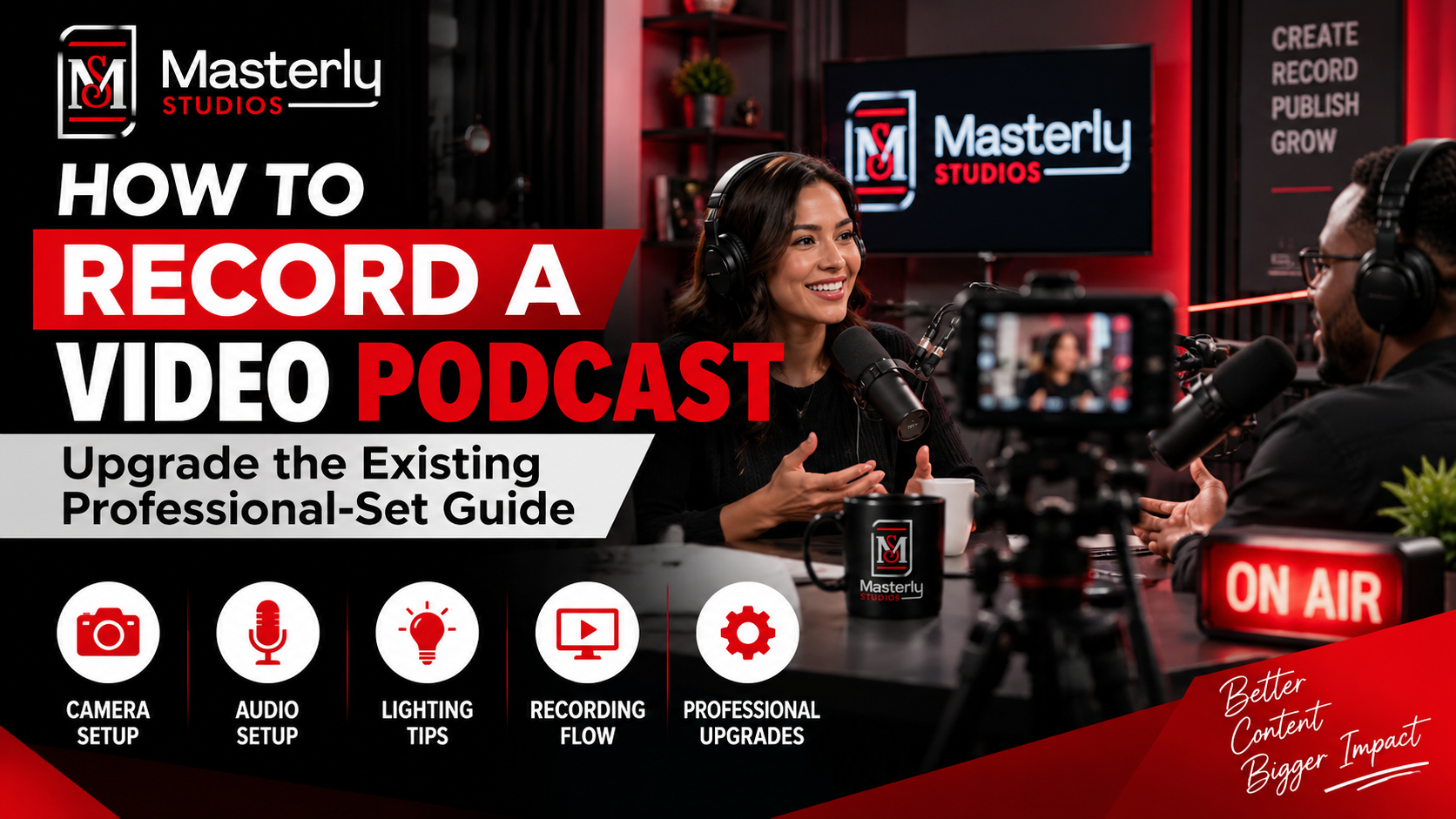
Learn how to record a video podcast in Atlanta with a professional studio setup, clear audio, polished lighting, guest support, and a smooth recording workflow.
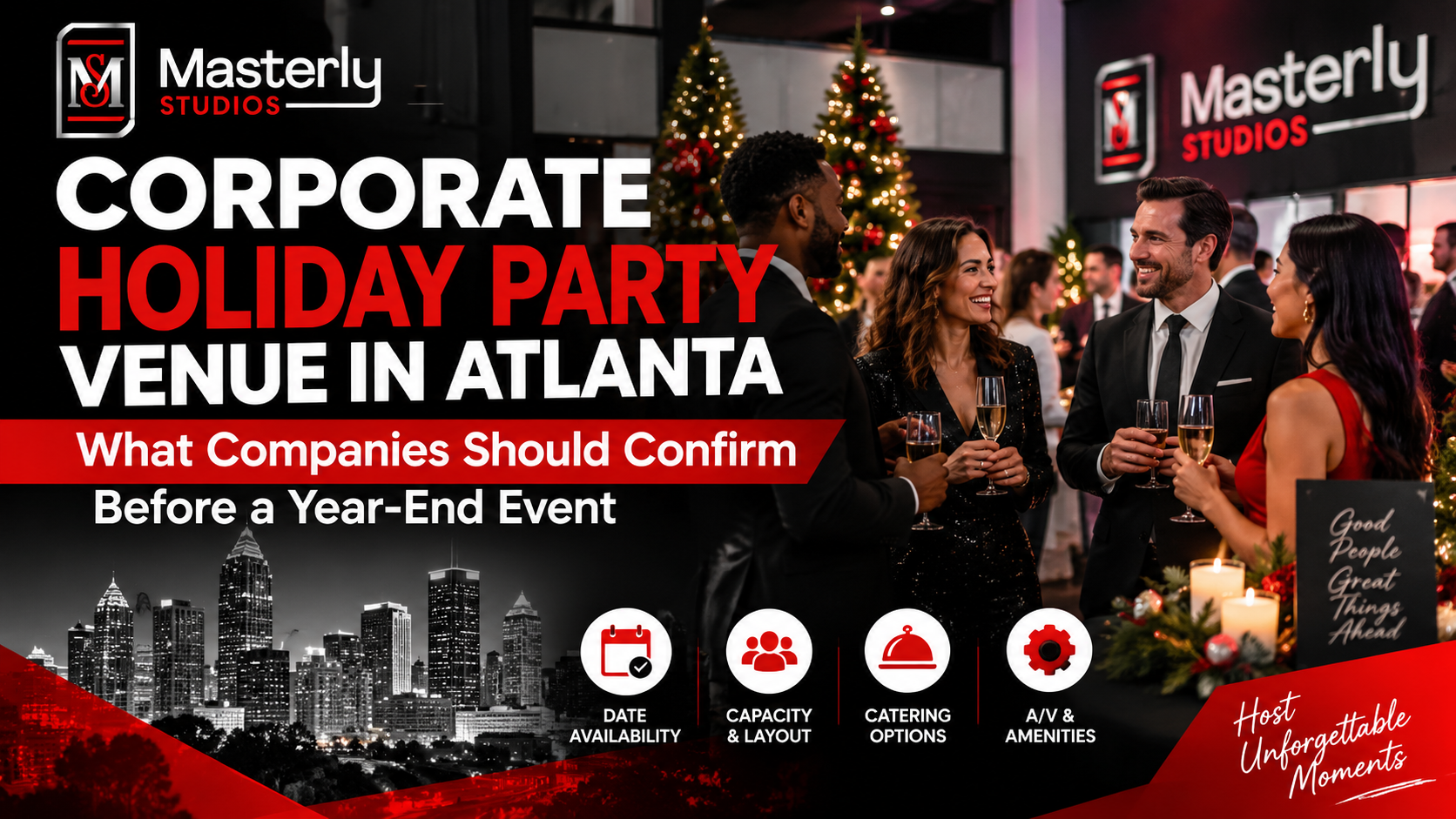
Book a corporate Christmas party venue in Atlanta for year-end events with flexible space, A/V support, catering, branding, and more for your team and festive fun.
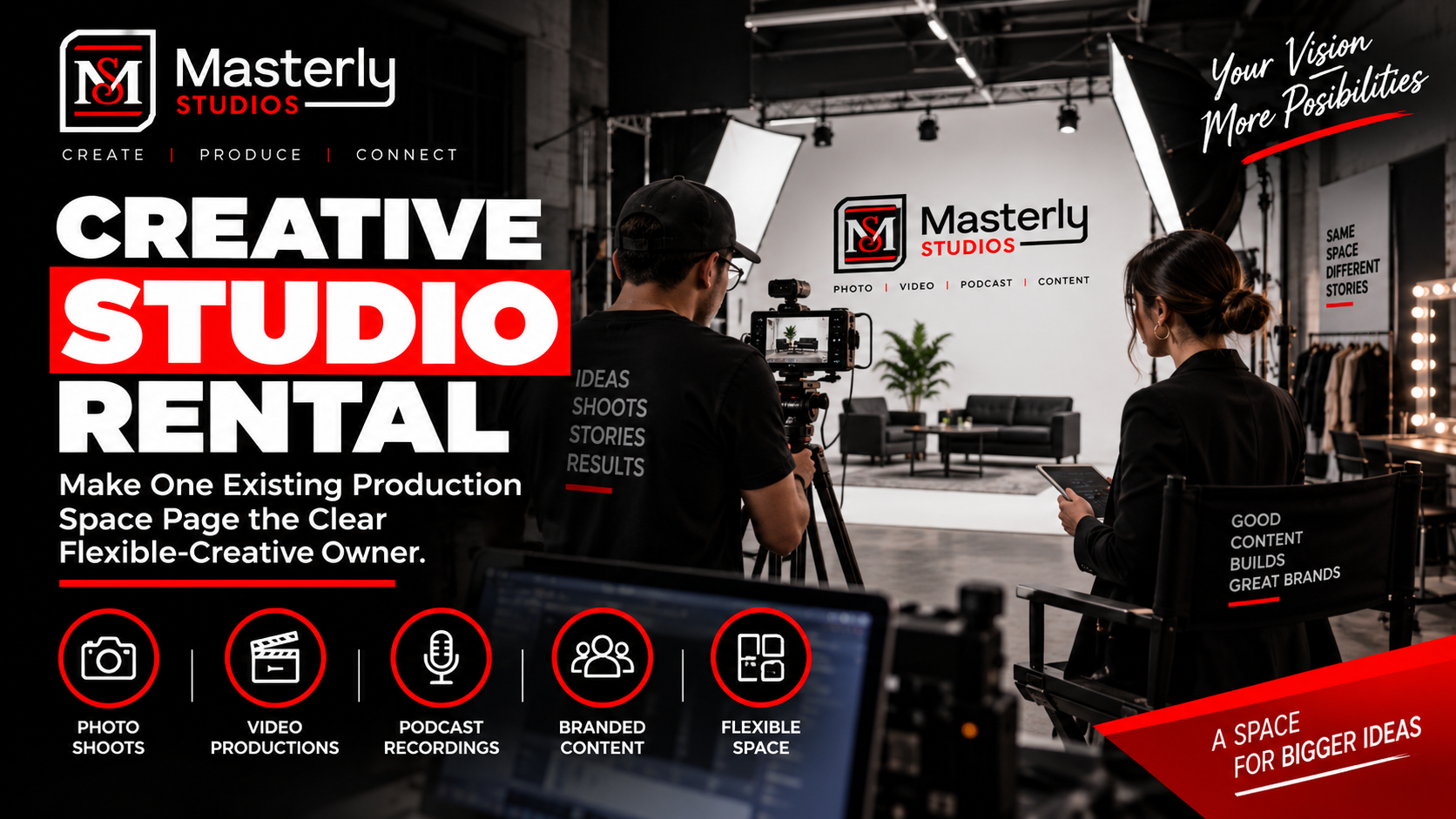
Book a creative studio rental for photography, video, branded content, and marketing campaigns with flexible production space at Masterly Studios for every project.
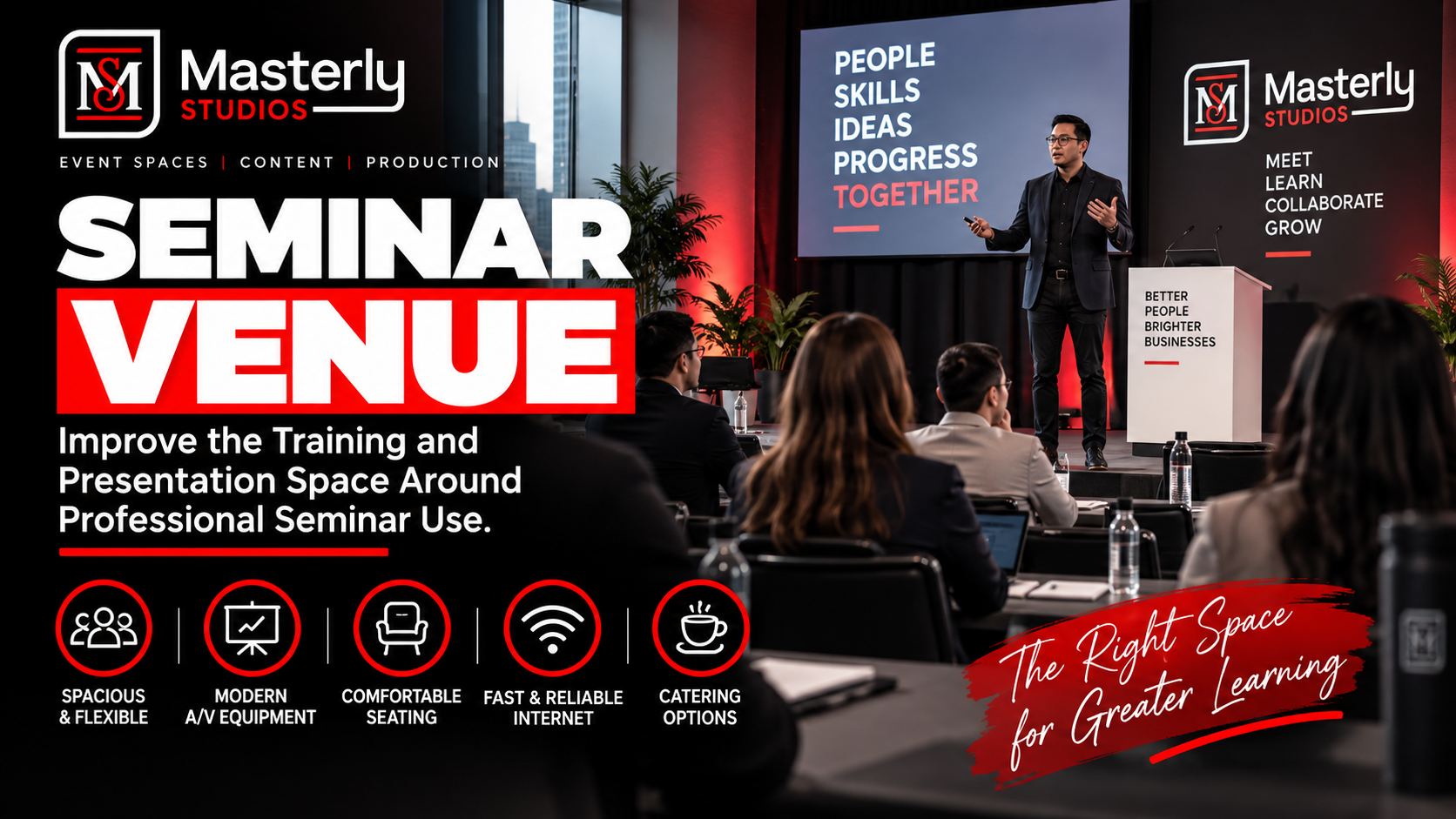
Book a professional seminar venue for training, presentations, and business events with flexible seating, A/V, check-in, parking, content support, and event setup.
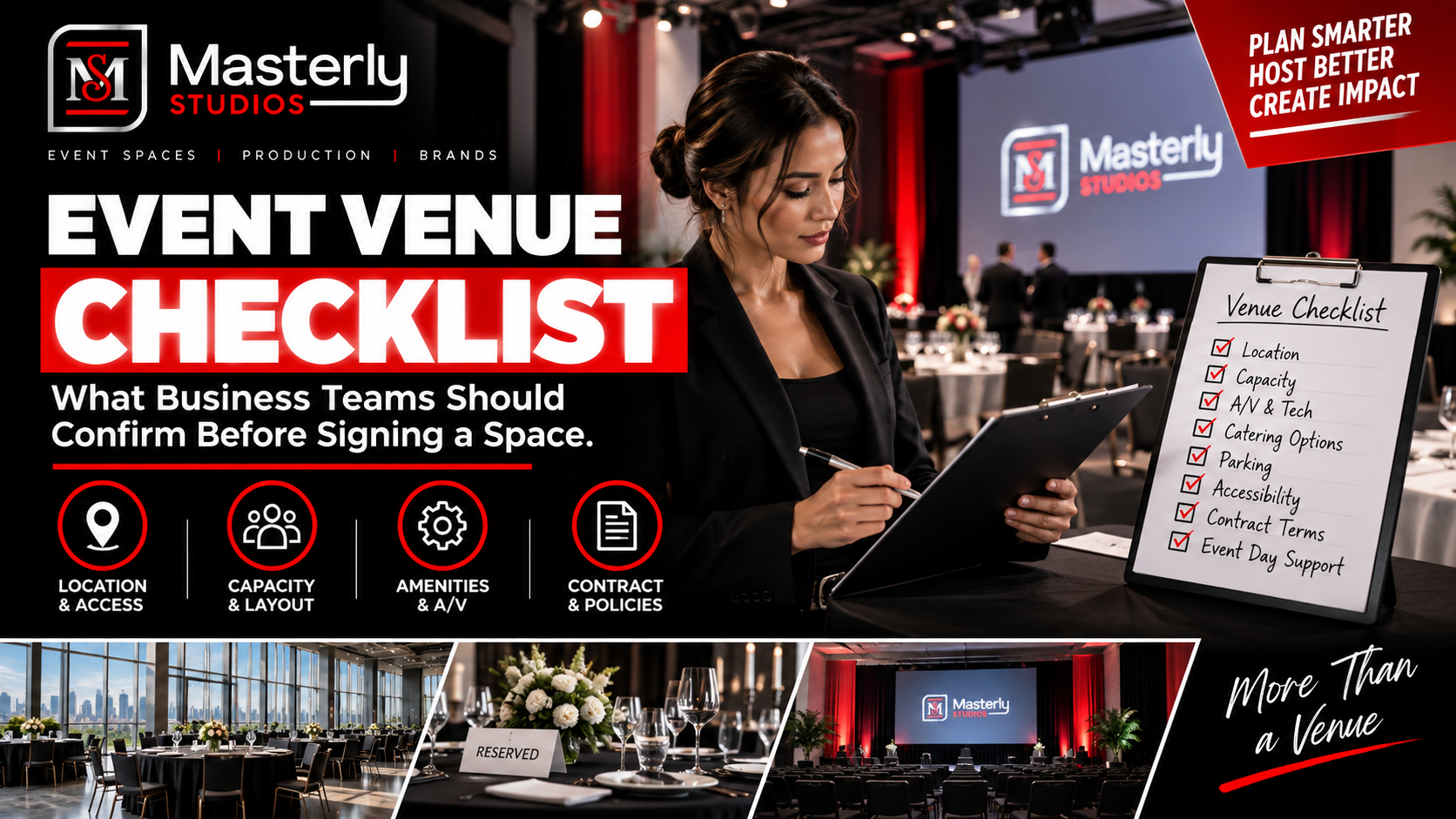
Use an event venue checklist to evaluate capacity, layout, parking, load-in, A/V, Wi-Fi, accessibility, catering, branding, production, and overtime needs.

Plan corporate events with professional support for venues, A/V, catering, speakers, content capture, access, and production at Masterly Studios in Atlanta.
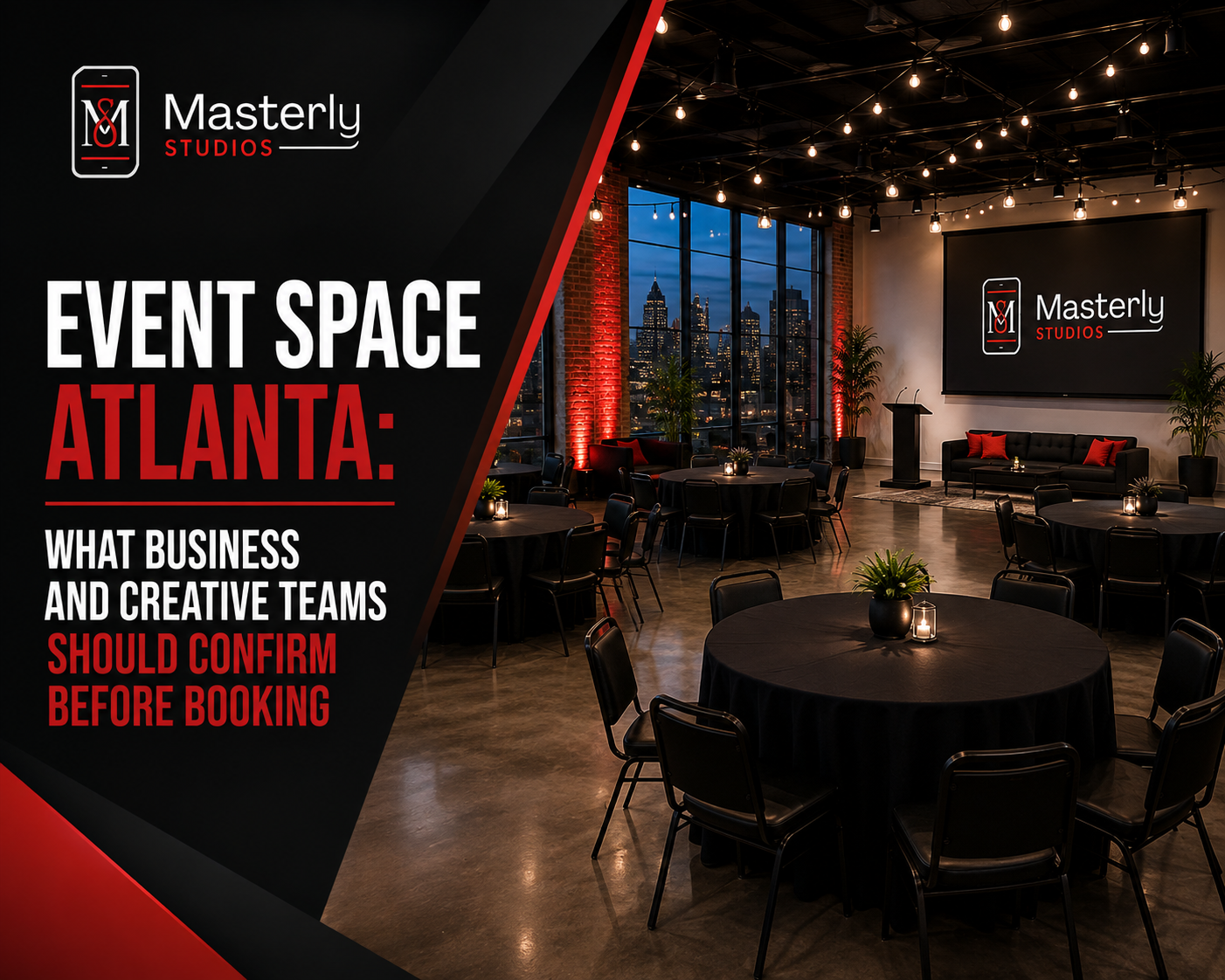
Find the right event space in Atlanta by confirming capacity, AV, parking, catering, layouts, accessibility, and production support before booking. Masterly Studios