The Essential Guide to License Music for Your Podcast Before Publishing Another Episode
November 20, 2025
Every podcast creator wants their show to sound polished, engaging, and professional. Music sets the tone, builds emotion, and gives your podcast the personality listeners remember. But behind every intro beat, transition sound, or background music clip lies a
legal responsibility
that many creators overlook. In the fast-paced world of digital media, copyright bots detect infringement instantly—far faster than most podcasters expect. This guide explains the crucial steps to properly license music, protect your content, and avoid legal complications that could derail your podcast before it grows. It’s worth reading because what you don’t know about music licensing can cost you your show, your income, or even your reputation.
Below you'll find a structured outline with clear explanations designed for creators at any stage. Whether you're just starting, curating a new sound, or trying to understand different types of music licenses, this guide will walk you through every part of legally using music in your podcast.
Music licensing also supports music creators, songwriters and composers, and music publishers who rely on royalties. Using copyrighted music without permission violates the rights of music creators and may trigger penalties from rights holders or digital platforms.
Understanding these types of music licenses helps you choose the best music for your podcast while avoiding infringement. A synchronization license is especially important when pairing musical works with spoken audio or visual media.
Many podcasters learn this the hard way when episodes get muted, blocked, or removed entirely. Automation does not allow for excuses or misunderstandings—if the bots flag something, the platform enforces it immediately.
Using copyrighted music can lead to infringement claims even if you delete the episode later. This is why legally using music from the start is the safest path.
Creators often misunderstand that a public performance license alone does not allow podcast use. Podcasts typically require synchronization or mechanical licenses depending on how the music is integrated.
Royalty-free options provide clarity, allowing podcasters to legally use music without worrying about long-term royalty obligations. Understanding this helps creators avoid unintended violations.
Curating music is an opportunity to develop a signature sound. But it’s important to ensure the music you play is fully licensed, whether purchased through a subscription service or directly from a composer.
Podcasters should review their licenses to avoid accidental violations when monetizing episodes. Monetization makes your show more visible, increasing the likelihood of detection if you use copyrighted music.
You must obtain a music license independently if you plan to stream or publish episodes containing tracks, even if you legally purchased or subscribe to a digital music platform.
Podcast creators should establish a workflow that verifies all tracks before use. This includes tracking all license agreements and ensuring every audio file has clearance.
Below you'll find a structured outline with clear explanations designed for creators at any stage. Whether you're just starting, curating a new sound, or trying to understand different types of music licenses, this guide will walk you through every part of legally using music in your podcast.
Understanding the Role of Music Licensing in Podcast Creation
What It Means to License Music for Podcasts
When you license music, you gain legal permission to use the music in your audio content. This matters because copyrighted music is protected under copyright law, meaning that every sound recording, musical composition, and background music track belongs to a copyright holder. A music license protects you from infringement claims and ensures you legally use the music you play in your episodes.Music licensing also supports music creators, songwriters and composers, and music publishers who rely on royalties. Using copyrighted music without permission violates the rights of music creators and may trigger penalties from rights holders or digital platforms.
Why Podcast Creators Need a Music License
A music license allows you to use the music legally in your podcast without facing takedowns or claims. Many podcasters assume short clips or popular music under ten seconds are “safe,” but that belief often leads to immediate flags from copyright bots across streaming service platforms. Whether you’re using background music, intro music, or a sound recording inside a story, you need to obtain the proper license agreement to stay protected.What Types of Music Licenses Podcasters Must Understand
Exploring the Most Common Types of Music Licenses
There are several types of music licenses that apply to different uses. These include synchronization licenses, performance licenses, mechanical license requirements, and licenses for audiovisual content. For a podcast, synchronization licensing and performance licenses are the most relevant because they allow you to use music inside recorded content.Understanding these types of music licenses helps you choose the best music for your podcast while avoiding infringement. A synchronization license is especially important when pairing musical works with spoken audio or visual media.
When You Need a Music License for Podcast Episodes
If you use copyrighted music or play music owned by a record label or publisher, you need a license. Popular music, royalty-free music, curated music tracks, and even musical works from independent artists may require a license agreement depending on the rights holders. If you plan to use music, stream your episodes, or upload original content online, you must ensure all music rights are cleared.The Fast Pace of Copyright Bots and Automatic Detection
How Digital Platforms Detect Unlicensed Music
Platforms like YouTube, Apple Podcasts, Spotify, and various streaming service outlets use automated systems to review your content. These copyright bots scan sound recordings and detect copyrighted music within seconds of upload. Their speed and accuracy mean even subtle background music can trigger infringement alerts.Many podcasters learn this the hard way when episodes get muted, blocked, or removed entirely. Automation does not allow for excuses or misunderstandings—if the bots flag something, the platform enforces it immediately.
The Consequences of Using Copyrighted Music Without Permission to Use
If your podcast includes unlicensed tracks, you may face the following issues:- Episode removal from platforms
- Monetization loss
- Strike notices on your account
- Demands for compensation from rights holders
- Potential legal action from music publishers or copyright owners
Using copyrighted music can lead to infringement claims even if you delete the episode later. This is why legally using music from the start is the safest path.
Understanding Rights Organizations: ASCAP, BMI, SESAC, and More
How Rights Organizations Protect Music Rights
Organizations like ASCAP, BMI, SESAC, and other performing rights groups help collect royalties and manage performance licenses. They represent songwriters and composers, securing compensation when music is played publicly. Although podcasts are not considered traditional public performance events, these organizations still play a role in determining usage rights for musical works.Creators often misunderstand that a public performance license alone does not allow podcast use. Podcasts typically require synchronization or mechanical licenses depending on how the music is integrated.
What Podcasters Should Know Before They Use Music From These Organizations
Even if a service or rights organization represents the music, you still need a specific license to use the music legally in your podcast. This includes any curated catalog, digital music library, or royalty-free catalog unless stated otherwise. When in doubt, reviewing the license agreement and verifying permission to use the track for podcasts is essential.Royalty-Free Music: What It Actually Means for Podcast Creators
Debunking Misconceptions About Royalty-Free Music
Many creators assume that royalty-free means completely free, but royalty-free music usually requires a one-time payment or subscription. Royalty-free music is simply music you can use without paying ongoing royalties, but you still need to obtain the appropriate license to use it legally.Royalty-free options provide clarity, allowing podcasters to legally use music without worrying about long-term royalty obligations. Understanding this helps creators avoid unintended violations.
When Royalty-Free Music Still Requires a License
Even royalty-free platforms require a license agreement that outlines what the license allows, such as whether you may publish episodes commercially or play music over multiple podcast episodes. Reading the license agreement helps ensure you legally use the music under the terms provided.How to Curate Music Legally for Your Podcast Episodes
Selecting Music Tracks That Fit Your Brand and Stay Compliant
Curating music for your show involves more than choosing the best music or trending sound. You must consider whether you can legally use the music, whether it fits your genre, and whether the license allows commercial use . Podcast creators should select music that enhances the experience without compromising their legal protection.Curating music is an opportunity to develop a signature sound. But it’s important to ensure the music you play is fully licensed, whether purchased through a subscription service or directly from a composer.
Working With Songwriters and Composers
Working directly with a songwriter or composer is a way to secure unique tracks while ensuring complete clearance. Songwriters and composers may grant exclusive licenses that give you broader rights for your podcast or audiovisual projects, preventing conflicts with other creators.Music Licensing for Podcast Monetization and Advertising
When Monetized Podcasts Need Additional Licensing
If your podcast earns revenue through ads or sponsor agreements, you may need a music license that covers commercial use. Some licenses specify non-commercial use only, meaning monetized podcasts require an upgraded license agreement.Podcasters should review their licenses to avoid accidental violations when monetizing episodes. Monetization makes your show more visible, increasing the likelihood of detection if you use copyrighted music.
Advertising, Sponsorships, and Background Music
When adding background music to ad segments, a separate license may be needed depending on the musical composition involved. Advertisers may also require proof of synchronization or performance licenses to protect themselves and you.Using Streaming Services and Digital Music Platforms
Why You Cannot Use Music Directly From a Streaming Service
Streaming service platforms like Spotify or Apple Music do not grant the right to use the music in your podcast episodes. These platforms allow personal listening but not reproduction or distribution. Using copyrighted music from these sources violates copyright law and platform guidelines.You must obtain a music license independently if you plan to stream or publish episodes containing tracks, even if you legally purchased or subscribe to a digital music platform.
How to Legally Use Music From Approved Sources
To legally use the music, choose platforms or services that grant permissions through explicit license agreements. These services may include production libraries, composer contracts, or curated royalty-free catalogs that provide the rights you need.Protecting Your Podcast From Copyright Infringement Claims
Understanding Legal Risks and How to Prevent Them
Using copyrighted music exposes you to infringement claims that can disrupt your podcast. Copyright law protects every musical work and sound recording, and rights holders have the authority to pursue compensation. Preventing these legal risks requires obtaining the correct type of license before publishing new episodes.Podcast creators should establish a workflow that verifies all tracks before use. This includes tracking all license agreements and ensuring every audio file has clearance.
How Masterly Studios Helps Creators Manage Music Licensing
At Masterly Studios, we work with creators nationally to ensure they use music legally while producing compelling content. Our team educates podcasters on sync licensing, mechanical licenses, and performance licenses to help them avoid costly errors. Whether you curate your own catalog or work with a composer, we guide you through each step of clearance to protect your brand.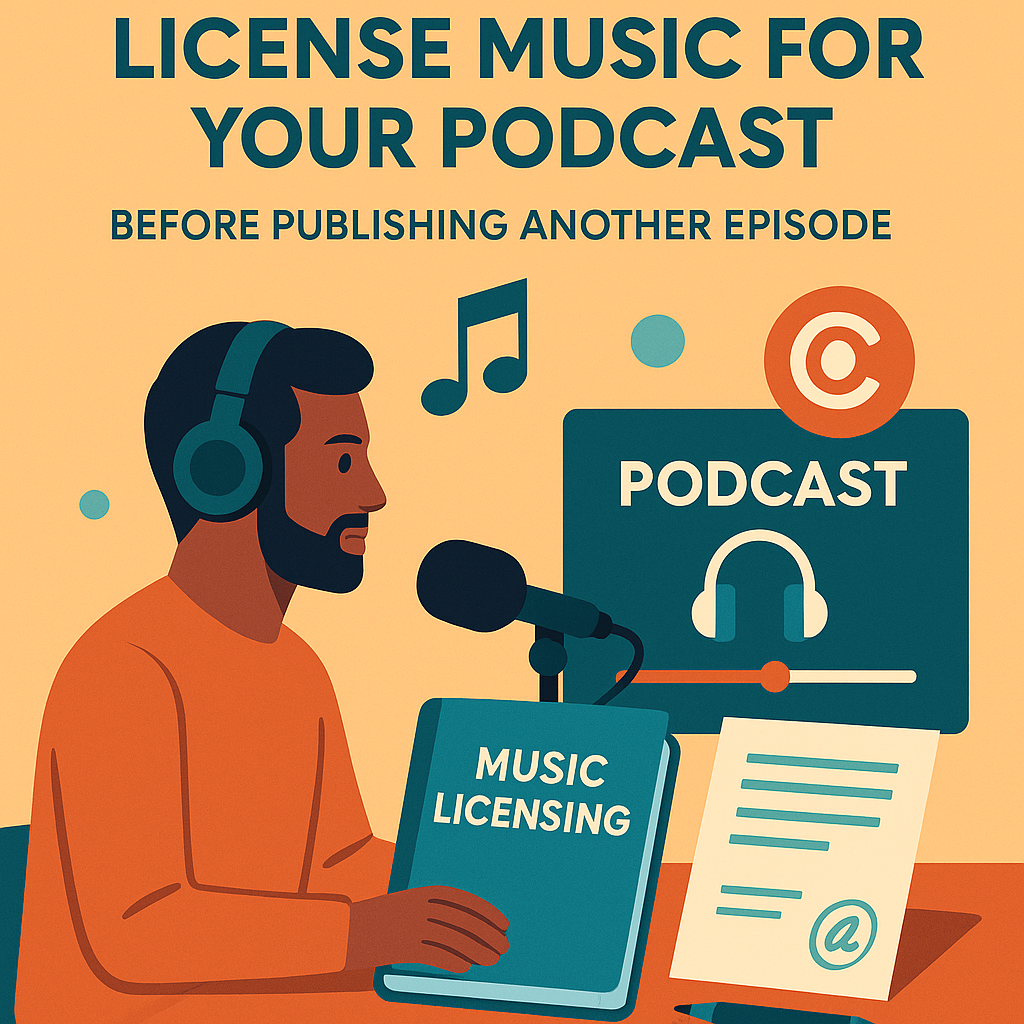
Summary of Key Takeaways
- Using copyrighted music without permission can result in automated takedowns and legal consequences.
- Music licenses protect you from infringement and ensure creators are compensated.
- Royalty-free music still requires a license agreement and proper review.
- You cannot legally use music from streaming services such as Spotify or Apple Music.
- Podcasters must understand types of music licenses to stay compliant.
- Curating music legally strengthens your podcast and safeguards your content.
Connect With Masterly Studios for Music Licensing Support
If you’re preparing to publ ish podcast episodes and want to ensure your music use is fully protected, our team at Masterly Studios is here to guide you. We help creators understand music rights, license agreements, and the legal steps needed to use music safely and confidently. Whether you need help decoding license terms, selecting the right tracks, or clearing audio for commercial use, we support podcasters throughout the country and nationally.Contact us at (888) 209-4055 to book a free consultation.
We’re here to help you move forward with clarity and confidence.
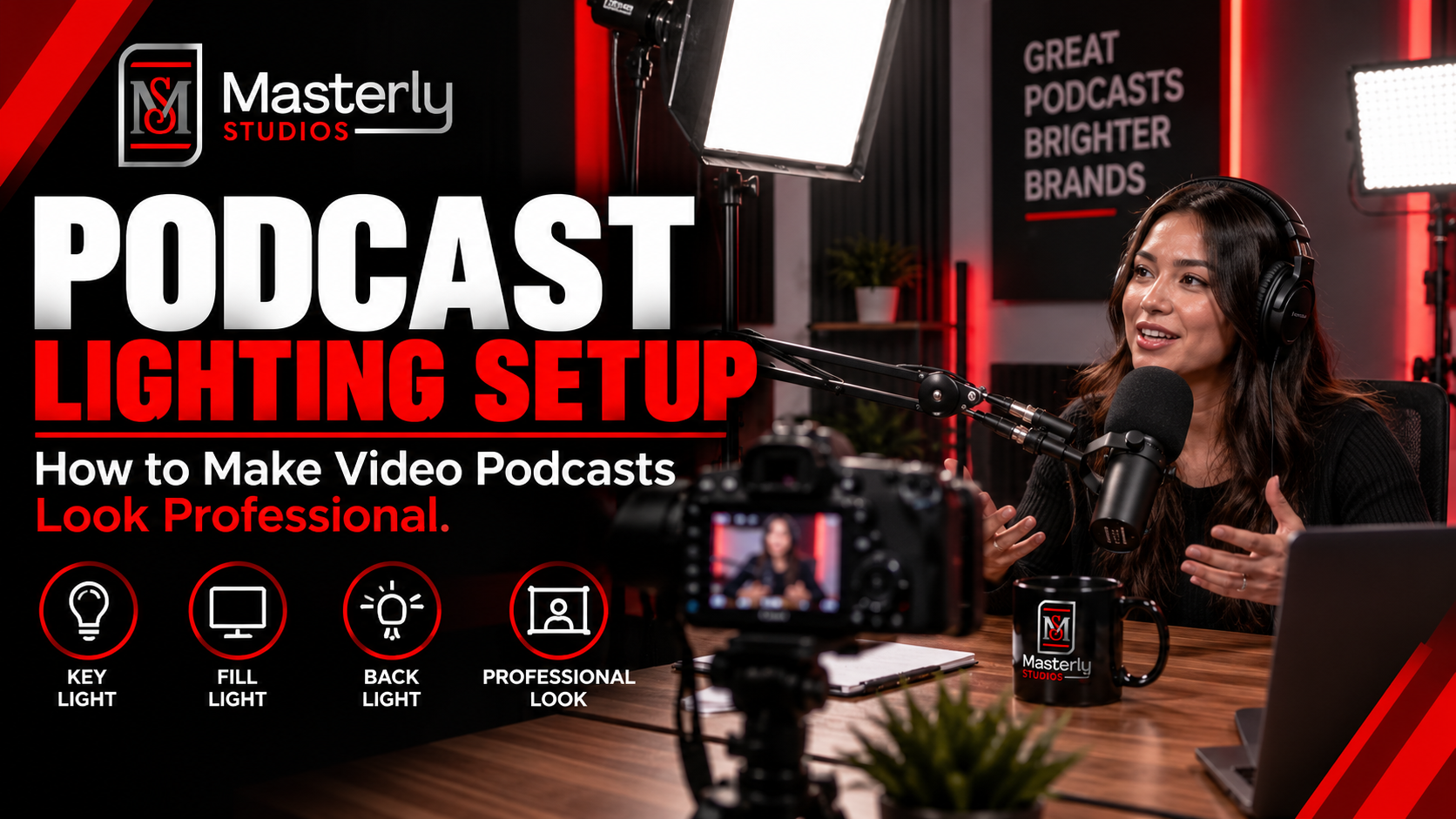
Need a podcast lighting setup? Masterly Studios provides professional podcast and camera lighting in a prepared studio for consistent, polished video production.
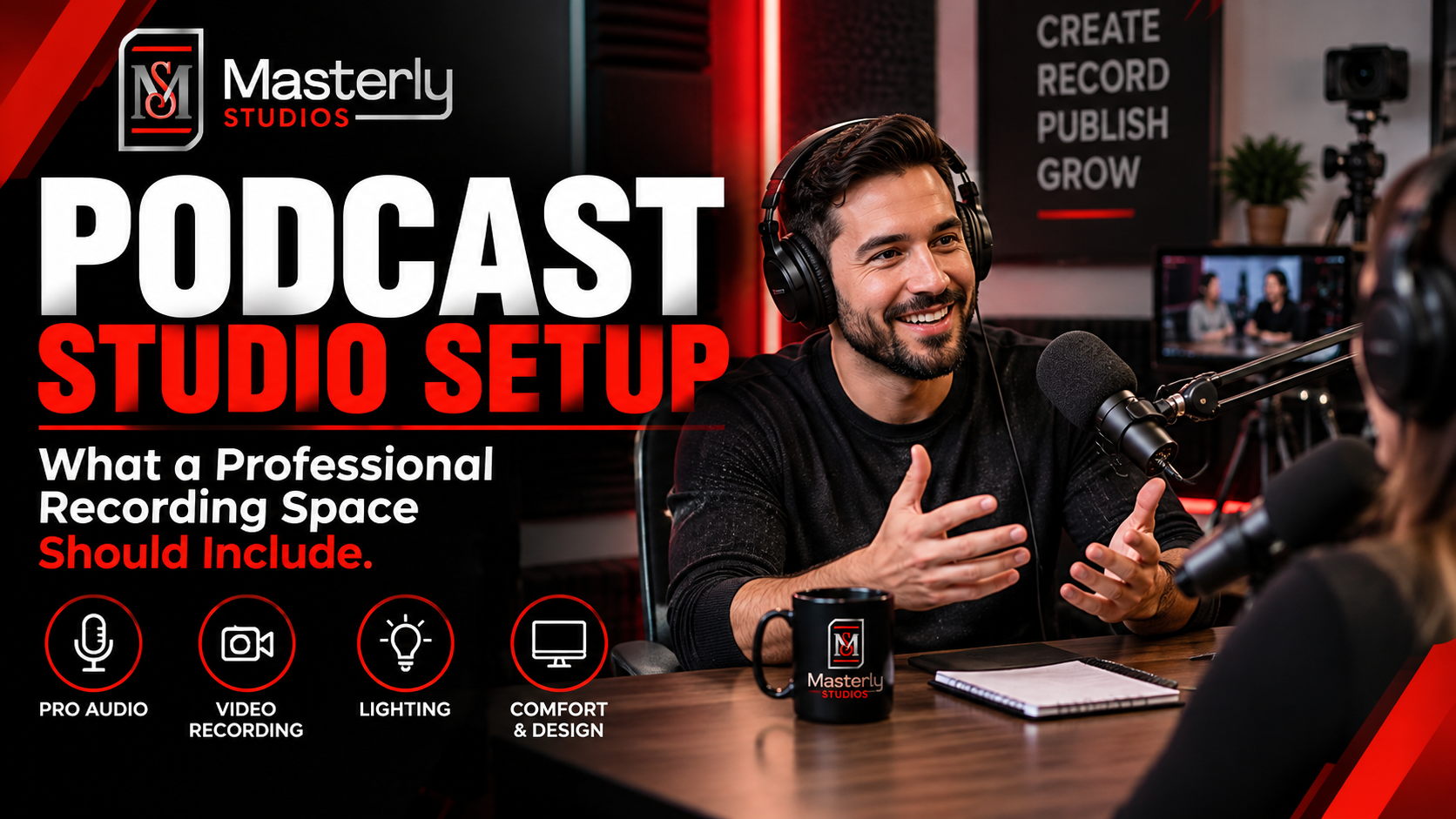
Need a podcast studio setup? Masterly Studios offers a professional recording space with quality equipment, lighting, acoustics, and video support for creators.
Book a training venue in Atlanta for corporate workshops, employee training, and learning events with flexible layouts, A/V support, and professional amenities.
Learn how to record a video podcast in Atlanta with a professional studio setup, clear audio, polished lighting, guest support, and a smooth recording workflow.
Book a corporate Christmas party venue in Atlanta for year-end events with flexible space, A/V support, catering, branding, and more for your team and festive fun.
Book a creative studio rental for photography, video, branded content, and marketing campaigns with flexible production space at Masterly Studios for every project.
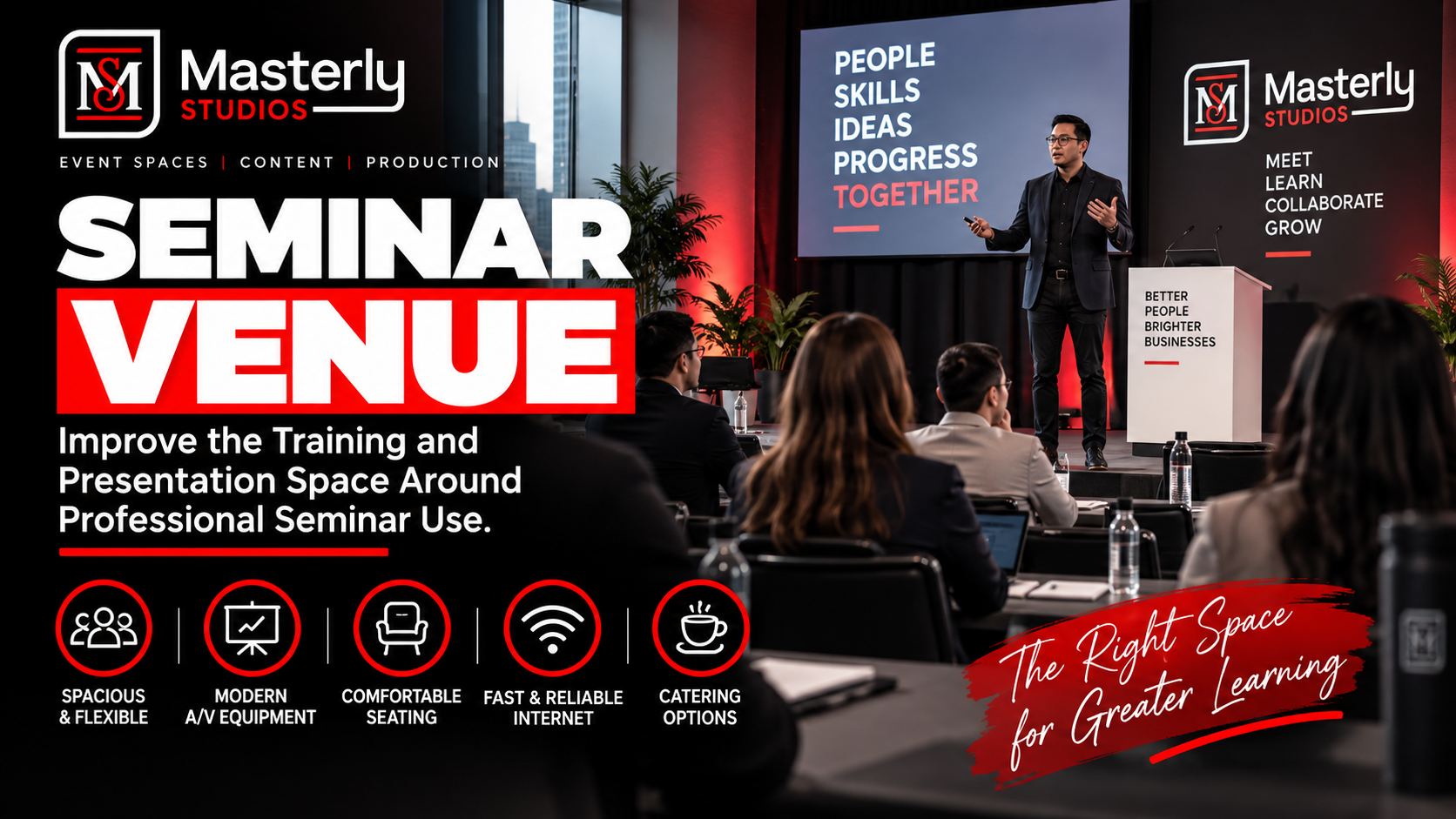
Book a professional seminar venue for training, presentations, and business events with flexible seating, A/V, check-in, parking, content support, and event setup.
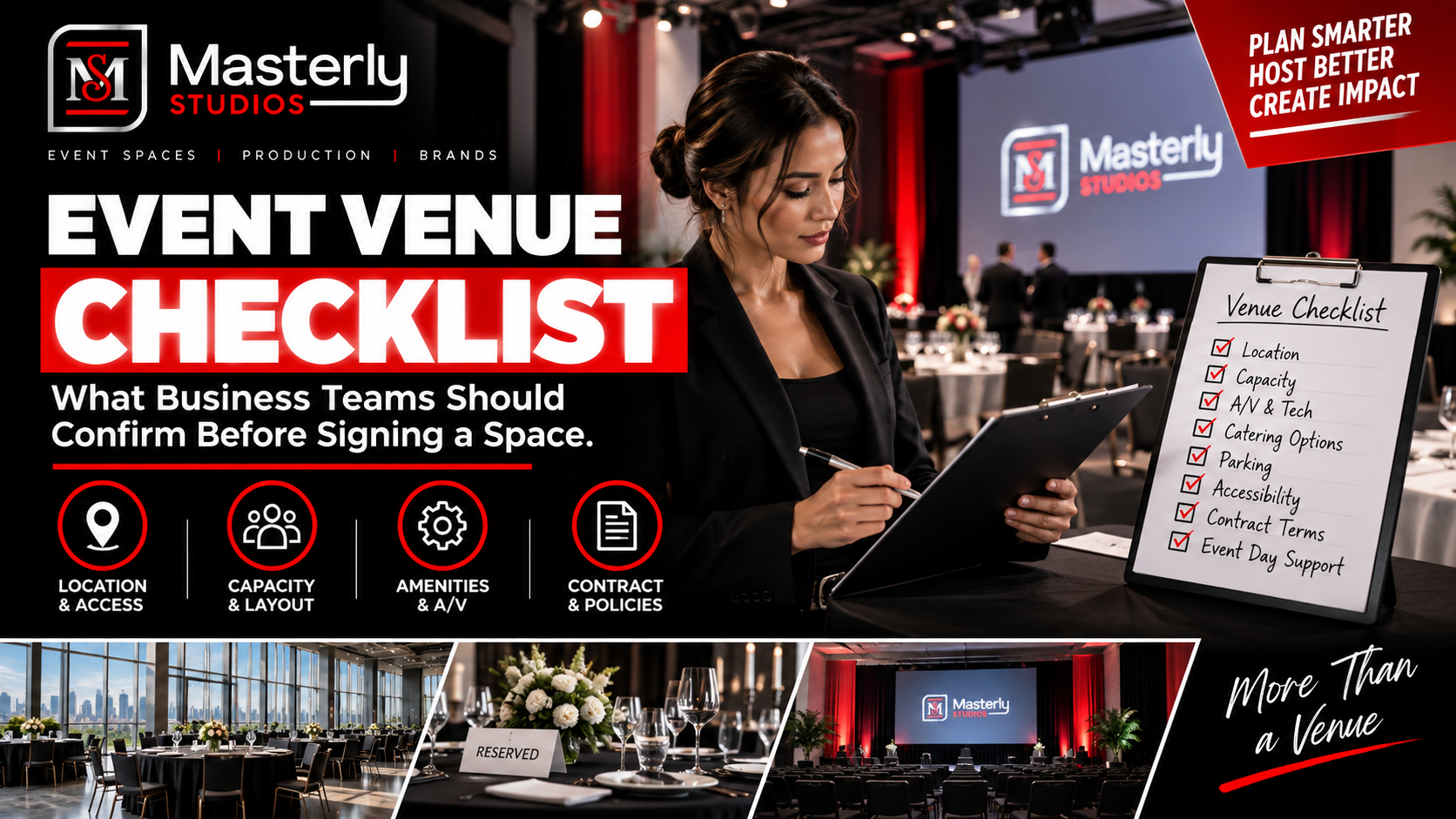
Use an event venue checklist to evaluate capacity, layout, parking, load-in, A/V, Wi-Fi, accessibility, catering, branding, production, and overtime needs.

Plan corporate events with professional support for venues, A/V, catering, speakers, content capture, access, and production at Masterly Studios in Atlanta.
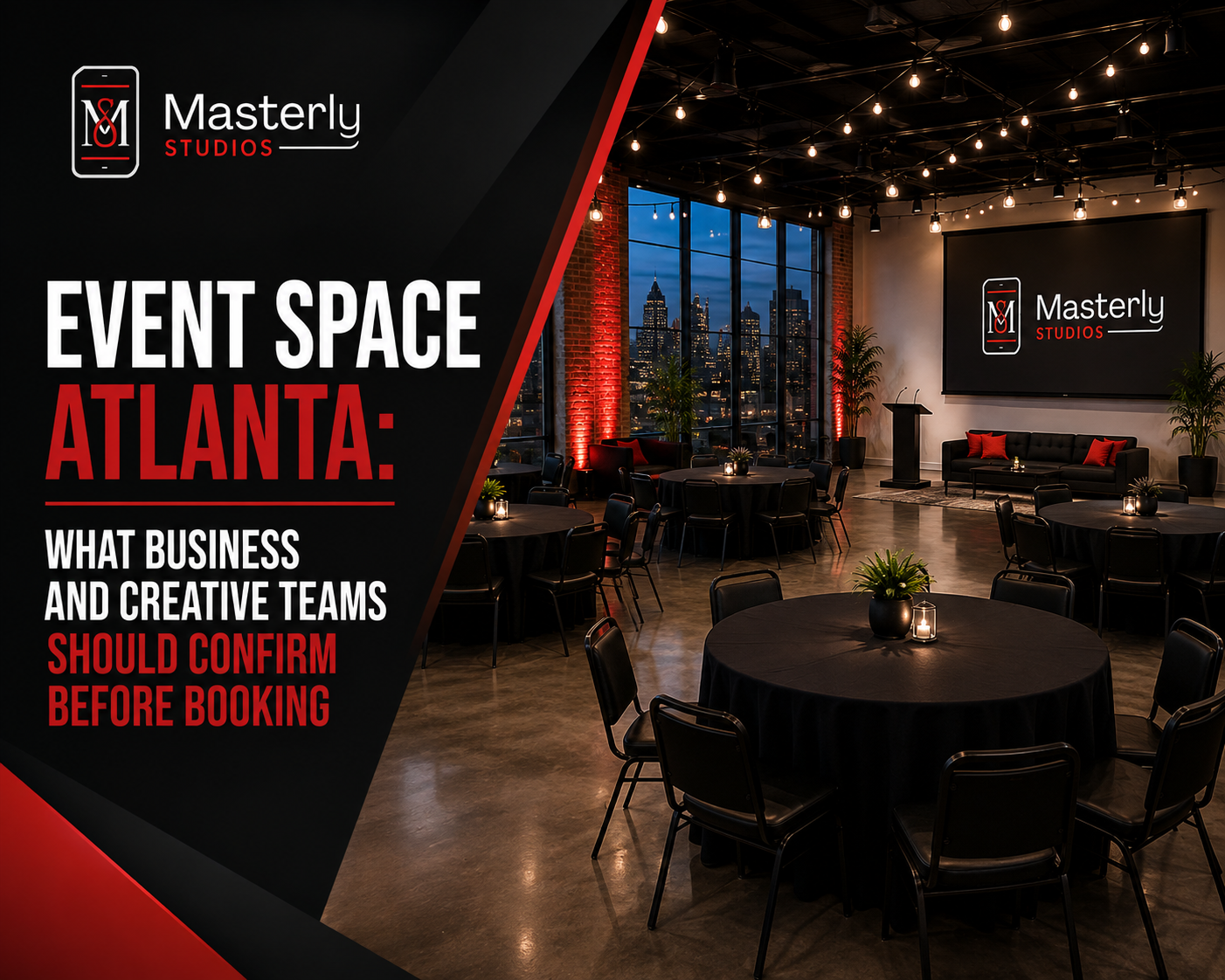
Find the right event space in Atlanta by confirming capacity, AV, parking, catering, layouts, accessibility, and production support before booking. Masterly Studios