Understanding the Technology Behind Podcast Publishing and Performance
December 29, 2025
Launching a podcast today is easier than ever, but building one that actually performs well is far more complex than most creators expect. Behind every smooth recording, seamless upload, and polished episode is a layered system of technology working together. Many podcasters focus only on recording content and overlook how publishing decisions affect reach, quality, and listener experience. At Masterly Studios, we help creators understand this technology so their podcast is distributed correctly, efficiently, and with purpose from the very beginning.
Why Podcast Technology Matters More Than Most Creators Realize
Podcasting is not just about talking into a microphone and hitting upload. Every podcast episode moves through multiple platforms, file formats, and delivery systems before it reaches listeners. Small technical errors can reduce discoverability or damage sound quality. Understanding the technology behind publishing allows creators to make informed decisions instead of guessing.Concept Development and Planning as the Technical Foundation
Before recording begins, concept development and planning shape how technology will be used throughout the life of a podcast. Decisions about the podcast format, target audience, and episode structure influence scripting, editing, and distribution. A clear plan ensures that technical tools support creativity rather than limit it. Without planning, even strong content can be distributed inefficiently.How Podcast Scripts Interact With Publishing Technology
A podcast script is not only a creative tool; it also supports production efficiency. A clear podcast script helps reduce editing time and improves pacing across platforms. Whether using a word for word script or a flexible outline, scripting impacts how cleanly an episode moves through post production. Technology rewards clarity and structure.Choosing the Right Podcast Script Style
Not every podcast script sounds the same, and different styles interact with technology differently. Some creators rely on a fully scripted approach, while others prefer free flowing conversations. A script verbatim approach may resemble a movie script or audio dramas, while conversational podcasts rely on structure without rigidity. Selecting the right style helps maintain a natural conversation while supporting smooth editing.Word for Word Script Versus Flexible Structure
A word for word script gives creators control over tone, timing, and transitions. Reading a script aloud ensures clarity and reduces filler words during the recording session. However, over scripting can make content feel unnatural. Balancing word for word guidance with flexibility allows creators to stay authentic while maintaining quality.Using a Podcast Script Template Effectively
A podcast script template provides consistency across episodes and helps manage technical workflows. A reliable script template includes space for the podcast intro, main talking points, sponsor message, and podcast outro. Using the same podcast script template improves efficiency and keeps episodes aligned with the podcast name and brand. Consistency also supports listener retention.Writing a Podcast Script With Technology in Mind
When you write a podcast script, you are also planning how the episode will be edited and distributed. Clear main points and supporting points reduce unnecessary cuts during the editing process. A well written script improves sound quality and flow. Writing for technology as well as for listeners keeps production efficient.The Role of Bullet Points in Script Structure
Bullet points are often used to guide conversation without locking hosts into rigid phrasing. Many podcast hosts use bullet points to outline episode topics, interview questions, and key takeaways. A few bullet points can keep the conversation flowing naturally. Strategic bullet points also help co host teams stay aligned.Podcast Script Examples and Technical Outcomes
Podcast script examples demonstrate how structure affects pacing and engagement. A good podcast script keeps listeners engaged while making editing easier. Comparing podcast script examples shows how different formats impact performance. Learning from examples reduces trial and error.Episode Topics and Metadata Performance
Each episode topic influences how platforms categorize and recommend content. Clear episode titles, episode topic descriptions, and show notes help algorithms understand relevance. Metadata affects visibility on platforms like Apple Podcasts. Technical accuracy supports discoverability.How Interview Podcasts Depend on Preparation
Interview podcasts rely heavily on preparation to avoid technical complications. Interview questions, guest introduction, and guest name placement must be planned in advance. Clear scripting ensures smooth transitions and avoids awkward pauses. Preparation improves both sound quality and listener experience.Guest Introductions and Audio Flow
A strong guest intro sets expectations and maintains pacing. Whether using a guest introduction or guest intro, clarity matters. Technology rewards consistency in audio levels and structure. Well-prepared intros reduce editing complexity.Managing Sponsor Messages Without Disruption
A sponsor message must be integrated carefully to avoid disrupting flow. A word for word sponsor message ensures compliance and clarity. Repeated sponsor message placement affects editing time and listener retention. Technology supports smooth insertion when scripts are clear.Sound Effects and Listener Engagement
Sound effects play a major role in podcast performance when used correctly. Intro music, outro music, and subtle sound effects enhance production value. Overusing sound effects can distract listeners. Strategic use keeps listeners engaged without overwhelming the content.Post Production and Editing Efficiency
Post production is where technology either saves time or creates frustration. A complete script reduces editing time and minimizes re-recording. The editing process benefits from clean audio and structured delivery. Efficient post production improves consistency across episodes.Recording Sessions and Technical Preparation
Every recording session should be planned with technology in mind. Testing microphones, monitoring sound effects, and reviewing the podcast outline reduces errors. Preparation prevents issues that delay publishing. Technical readiness supports creative flow.Podcast Intros, Outros, and Platform Standards
Podcast intro and podcast outro segments influence how platforms categorize content. Clear intros help listeners recognize branding quickly. Outros often include a call to action and next episode teasers. Consistent structure supports platform algorithms.Calls to Action and Performance Metrics
A clear call to action guides listeners toward subscriptions, reviews, or future episodes. Repeating a call to action improves engagement. Technology tracks listener behavior based on these cues. Effective calls to action support growth.Managing Multiple Hosts and Co Host Dynamics
Podcasts with multiple hosts or a co host require extra planning. Scripts help balance speaking time and avoid interruptions. A shared script template keeps everyone aligned. Technology favors clean, organized audio tracks.Narrative Podcasts and Script Precision
Narrative podcast formats rely on precision and timing. Fully scripted content ensures storytelling clarity. A word for word approach supports pacing and emotion. Technology rewards clean narration and structure.Free Flowing Conversations Versus Fully Scripted Shows
Free flowing conversations feel authentic but can increase editing time. Fully scripted shows reduce unpredictability but risk sounding rigid. Finding balance avoids over scripting while maintaining clarity. Technology supports whichever format is planned intentionally.Episode Script Structure That Supports a Polished Entire Episode
An effective episode script helps creators guide the entire episode without losing momentum or clarity. When all the points are organized in advance, the recording session becomes smoother and more efficient. A strong episode script ensures that transitions, pacing, and timing align naturally, allowing technology to support performance instead of interrupting it.Framing Today’s Episode for Clarity and Focus
Today’s episode should begin with a clear purpose that aligns with the podcast title and audience expectations. Defining the focus early helps listeners stay engaged and supports platform algorithms. When creators clearly frame today’s episode, it becomes easier to deliver a consistent message across the entire episode.What Makes a Successful Podcast Consistent Over Time
A successful podcast balances structure with authenticity. Listeners return when episodes sound polished but still feel genuine. Consistency in scripting, tone, and format helps build trust and recognition. Technology rewards podcasts that maintain reliable quality across episodes.Preserving Your Own Voice While Using a Script
A script should support your own voice, not replace it. The goal is to sound prepared, not rehearsed. When a creator maintains their own voice within a structured script, the content feels natural and relatable. This balance improves listener retention.Elements That Define a Great Podcast Script
A great podcast script includes clarity, pacing, and flexibility. It guides the host without limiting expression. Strong scripts account for natural pauses, emphasis, and storytelling. These elements improve both delivery and post production efficiency.Selecting a Podcast Title That Aligns With Content Strategy
The podcast title sets expectations before a listener ever presses play. Titles should reflect the tone, subject matter, and audience focus. A clear podcast title also supports discoverability across platforms. Alignment between title and content improves trust.Learning From the Best Podcast Episodes in Your Genre
The best podcast episodes share common traits such as structure, clarity, and audience awareness. Studying high-performing episodes reveals patterns that support engagement. These insights help creators refine their own script and production strategy. Learning from success reduces experimentation costs.Creating Your Own Script for Long-Term Scalability
Developing your own script system supports consistency and growth. When creators rely on their own script rather than improvisation alone, production becomes more predictable. This approach reduces editing time and supports scalability across future episodes.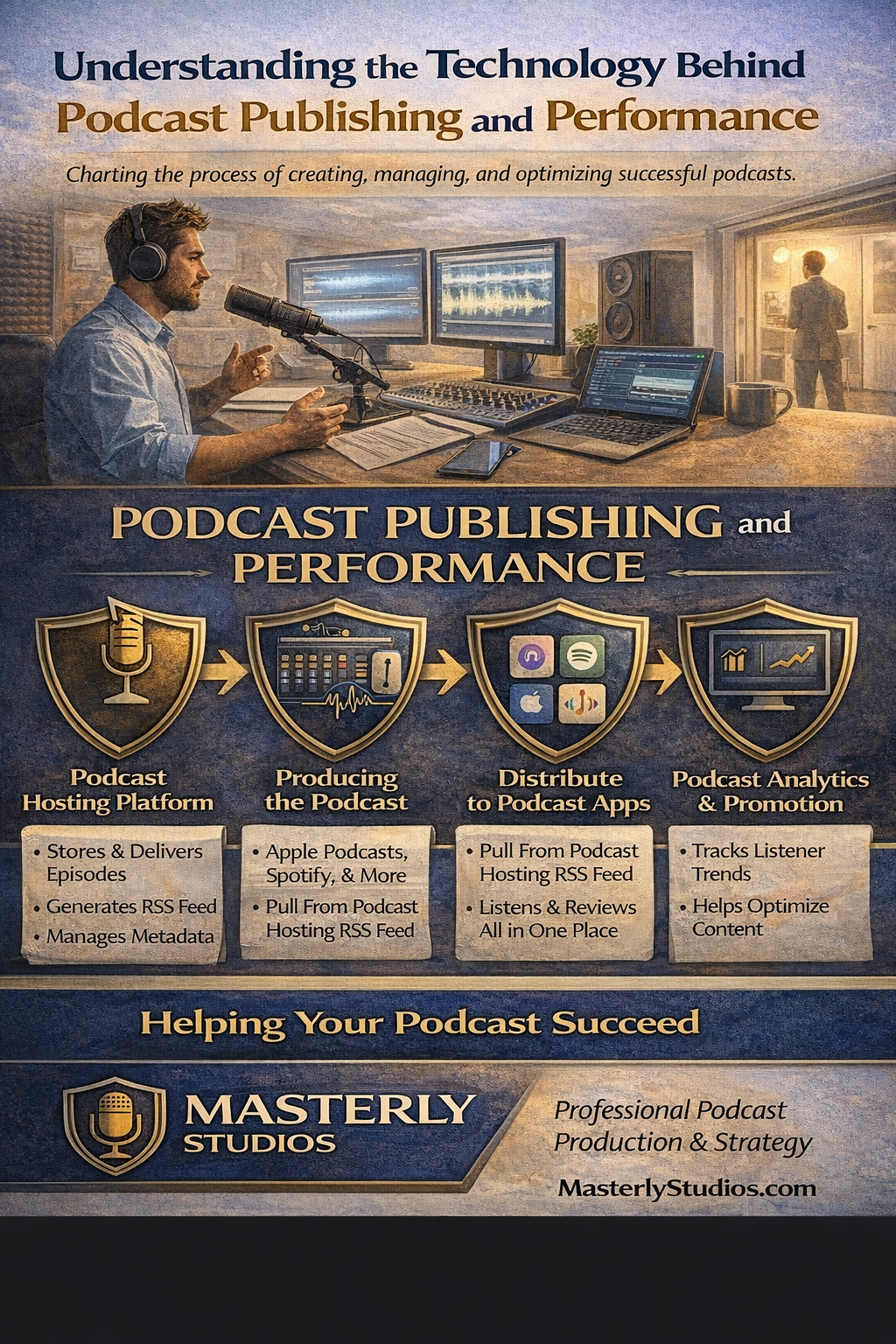
Write Transition Phrases That Keep Conversations Flowing
Transition phrases help move smoothly between topics without abrupt shifts. When creators write transition phrases intentionally, conversations feel cohesive. These transitions maintain listener focus and improve pacing. Technology supports clarity when transitions are clean.Guest Interviews and Structured Flexibility
Guest interviews benefit from preparation without rigidity. A flexible script helps guide the discussion while allowing organic responses. Planning questions and flow ensures guest interviews stay engaging and focused. Structure improves both audio quality and conversation depth.Essential Elements That Support Podcast Performance
Every episode relies on essential elements such as clear structure, defined talking points, and consistent pacing. These elements support both creative delivery and technical execution. When essential elements are present, episodes perform more consistently across platforms.Using Google Docs to Organize Scripts and Collaboration
Many creators use Google Docs to draft, edit, and share scripts. This tool supports collaboration, version control, and easy access during recording. Organized documents reduce confusion and improve efficiency. Technology works best when preparation is centralized.Maintaining a Conversational Tone Across Episodes
A conversational tone helps listeners feel connected and engaged. Scripts should guide speech without sounding stiff. Maintaining a conversational tone encourages longer listening sessions. This approach supports audience growth and retention.Target Audience and Distribution Strategy
Understanding the target audience influences publishing decisions. Platform selection, show notes, and episode titles should match audience behavior. Technology distributes content differently based on engagement signals. Audience alignment improves performance.Show Notes and Search Visibility
Show notes support discoverability and listener understanding. Clear show notes reinforce episode themes and key points. Platforms index show notes for search. Strong notes improve reach.Avoiding Common Podcast Publishing Mistakes
Many new podcast creators distribute content incorrectly by ignoring technical requirements. Improper file formats, inconsistent metadata, and rushed uploads reduce performance. Expert guidance prevents these issues. Technology requires precision.Planning for Future Episodes and Scalability
Planning future episodes ensures consistent publishing schedules. A detailed outline helps manage upcoming episodes and next episode topics. Scalability depends on repeatable systems. Technology supports growth when processes are consistent.From New Podcast to Sustainable Platform
A new podcast needs structure to become sustainable. Script planning, technical setup, and publishing workflows must work together. Sustainability depends on efficiency and clarity. Technology rewards consistency over time.How Masterly Studios Supports Podcast Success
Masterly Studios helps creators navigate the technology behind podcast publishing and performance. We support podcast script development, production planning, and distribution strategy. Our team ensures that every episode is positioned for success. We help clients avoid costly mistakes.Get Expert Help Before Publishing Your Podcast
Distributing a podcast incorrectly can limit reach and waste effort. Understanding technology protects your investment of time and creativity. Expert guidance prevents inefficiencies and improves results. Preparation leads to performance.Contact Masterly Studios for Podcast Planning Support
If you are developing a podcast or refining an existing one, expert support can make all the difference. Masterly Studios offers a free consultation to discuss concept development and planning, podcast scripts, and publishing strategy. We work with clients throughout the country and nationally to help podcasts perform at a higher level.Contact us at (888) 209-4055 to book a free consultation and ensure your podcast is built for long-term success.

Plan your Atlanta event space rental with the right room size, guest flow, technical support, and scheduling. Request a venue tour to confirm the best fit.
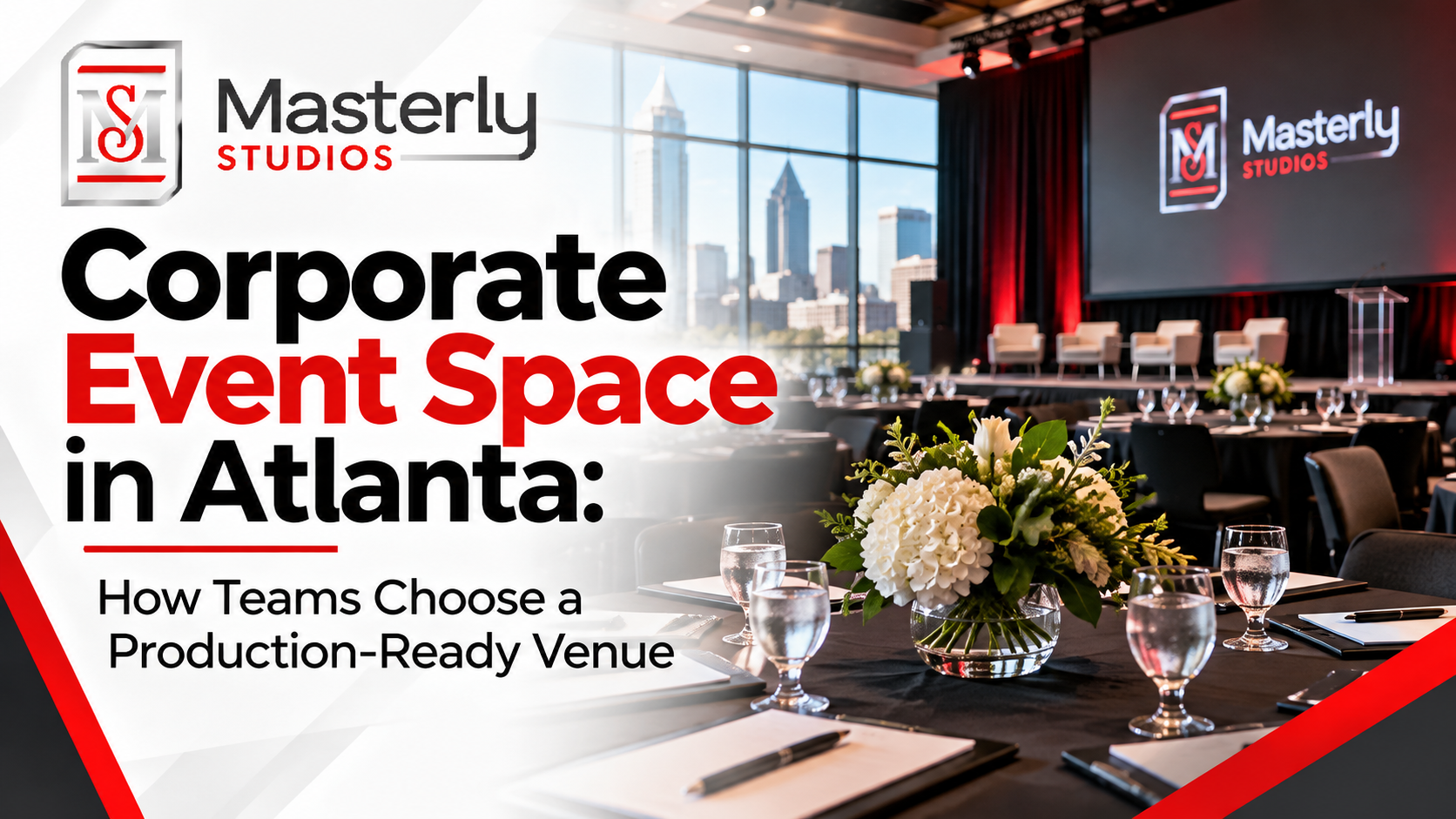
Explore what to consider when choosing Atlanta corporate event space, including room layouts, AV capabilities, parking, guest experience, and booking options.
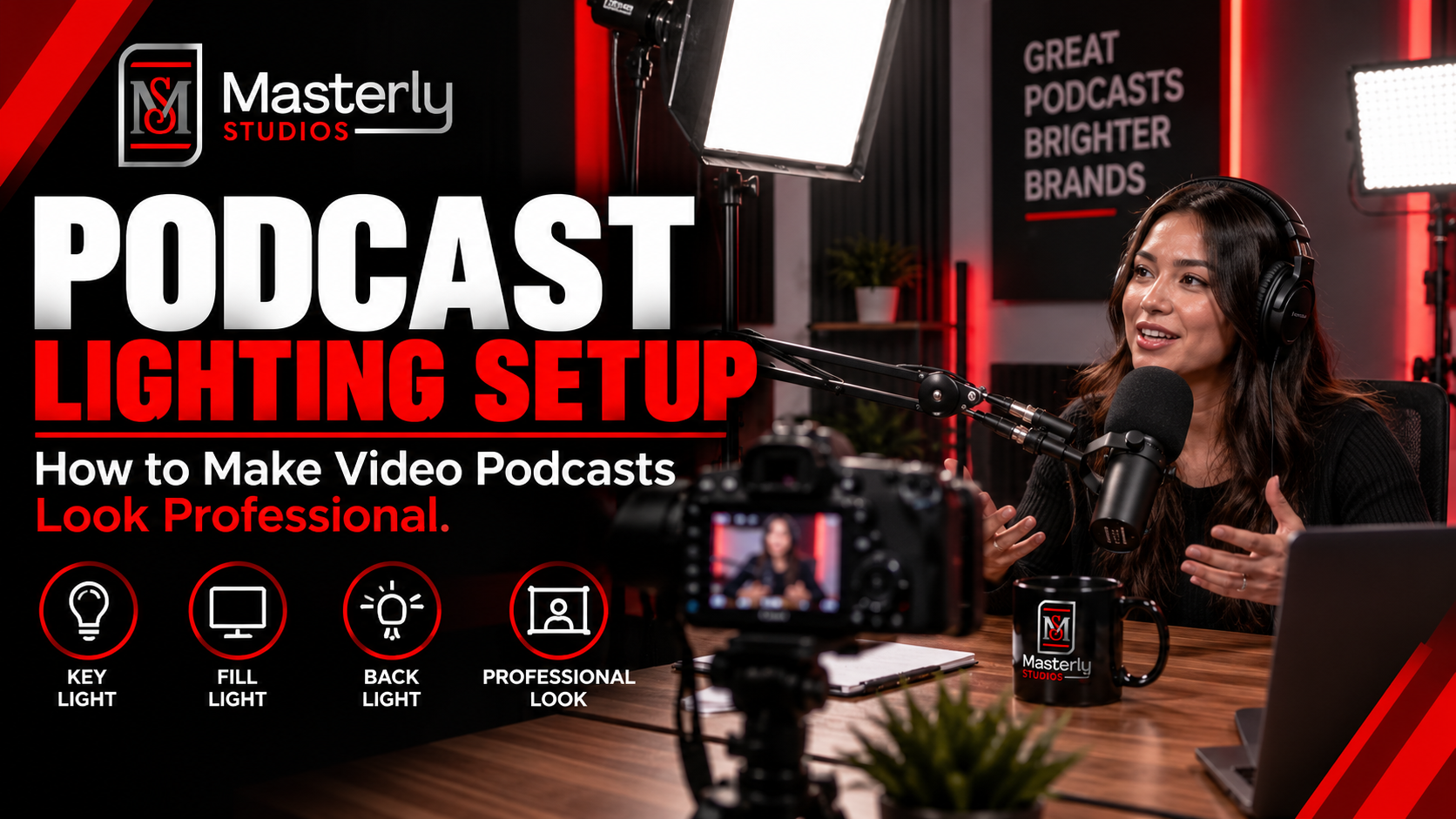
Need a podcast lighting setup? Masterly Studios provides professional podcast and camera lighting in a prepared studio for consistent, polished video production.
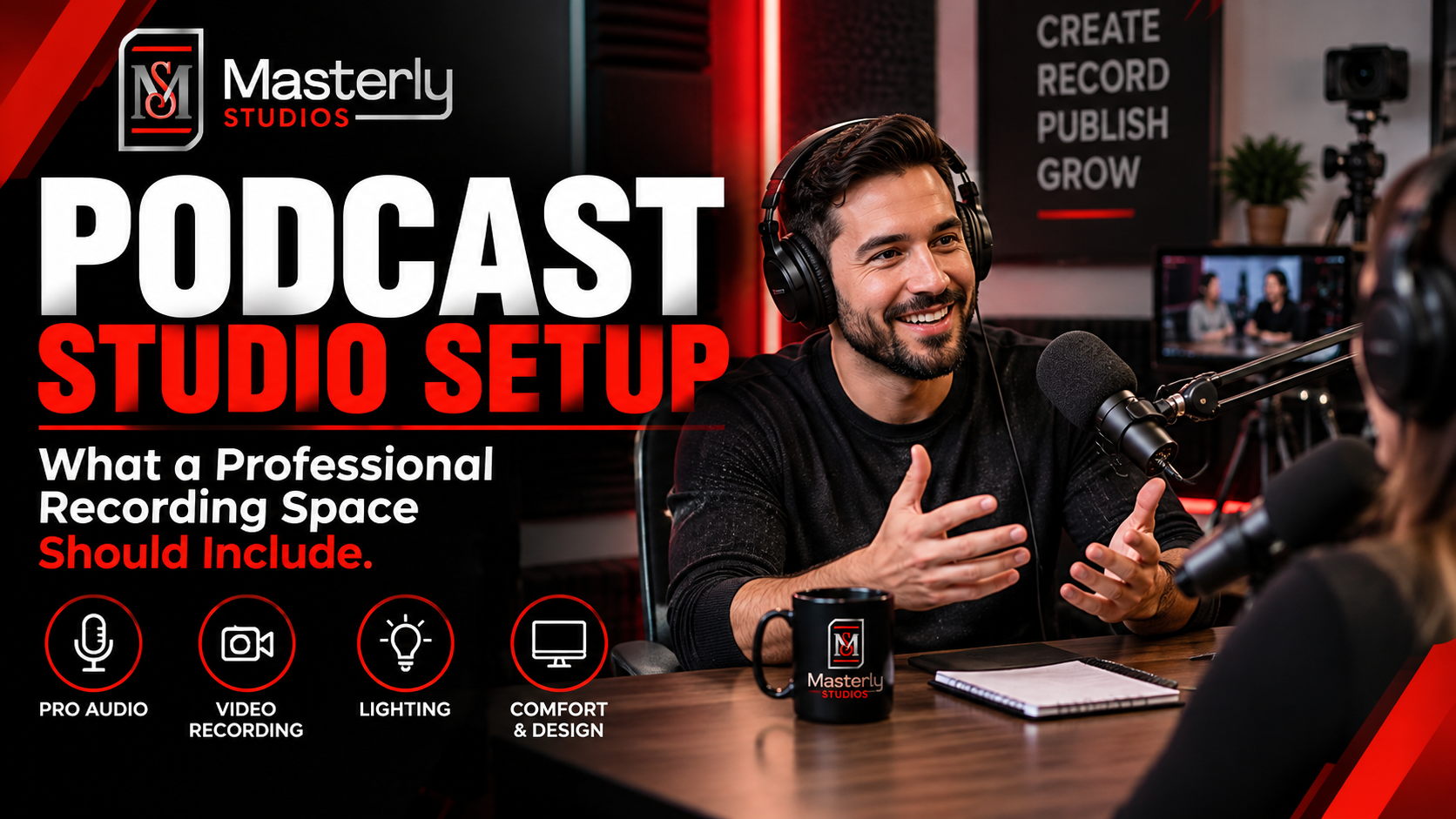
Need a podcast studio setup? Masterly Studios offers a professional recording space with quality equipment, lighting, acoustics, and video support for creators.
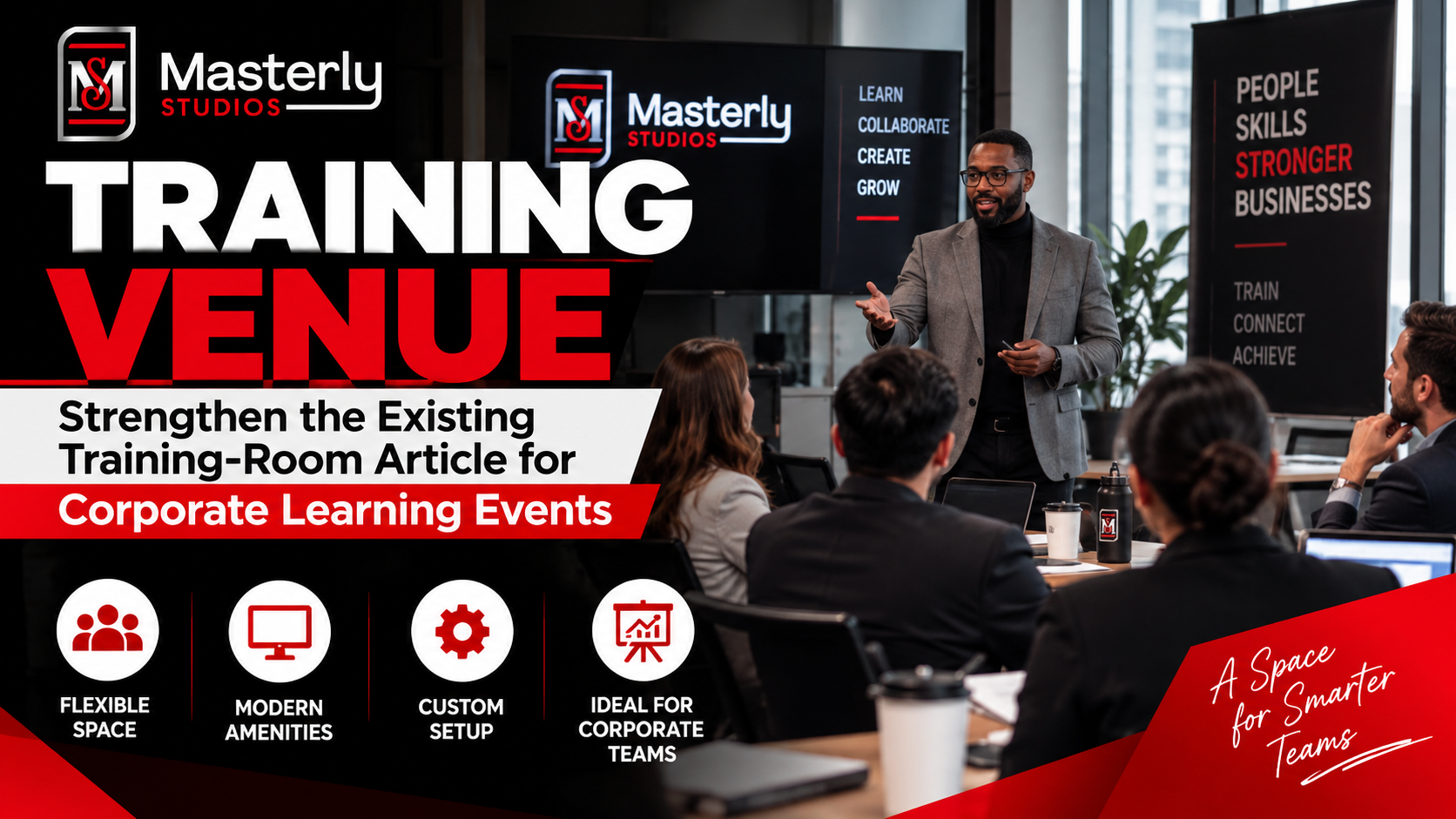
Book a training venue in Atlanta for corporate workshops, employee training, and learning events with flexible layouts, A/V support, and professional amenities.
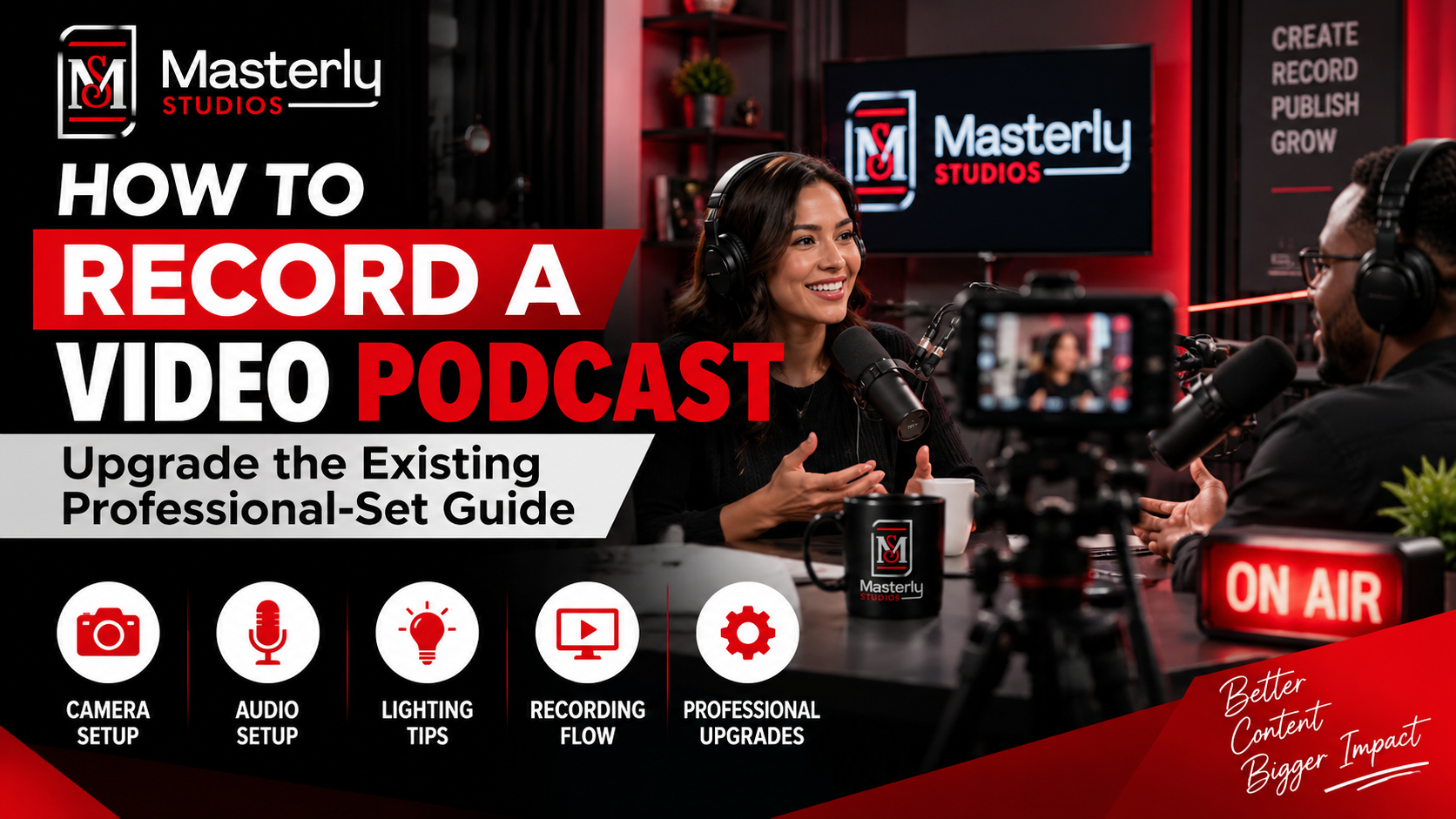
Learn how to record a video podcast in Atlanta with a professional studio setup, clear audio, polished lighting, guest support, and a smooth recording workflow.

Book a corporate Christmas party venue in Atlanta for year-end events with flexible space, A/V support, catering, branding, and more for your team and festive fun.
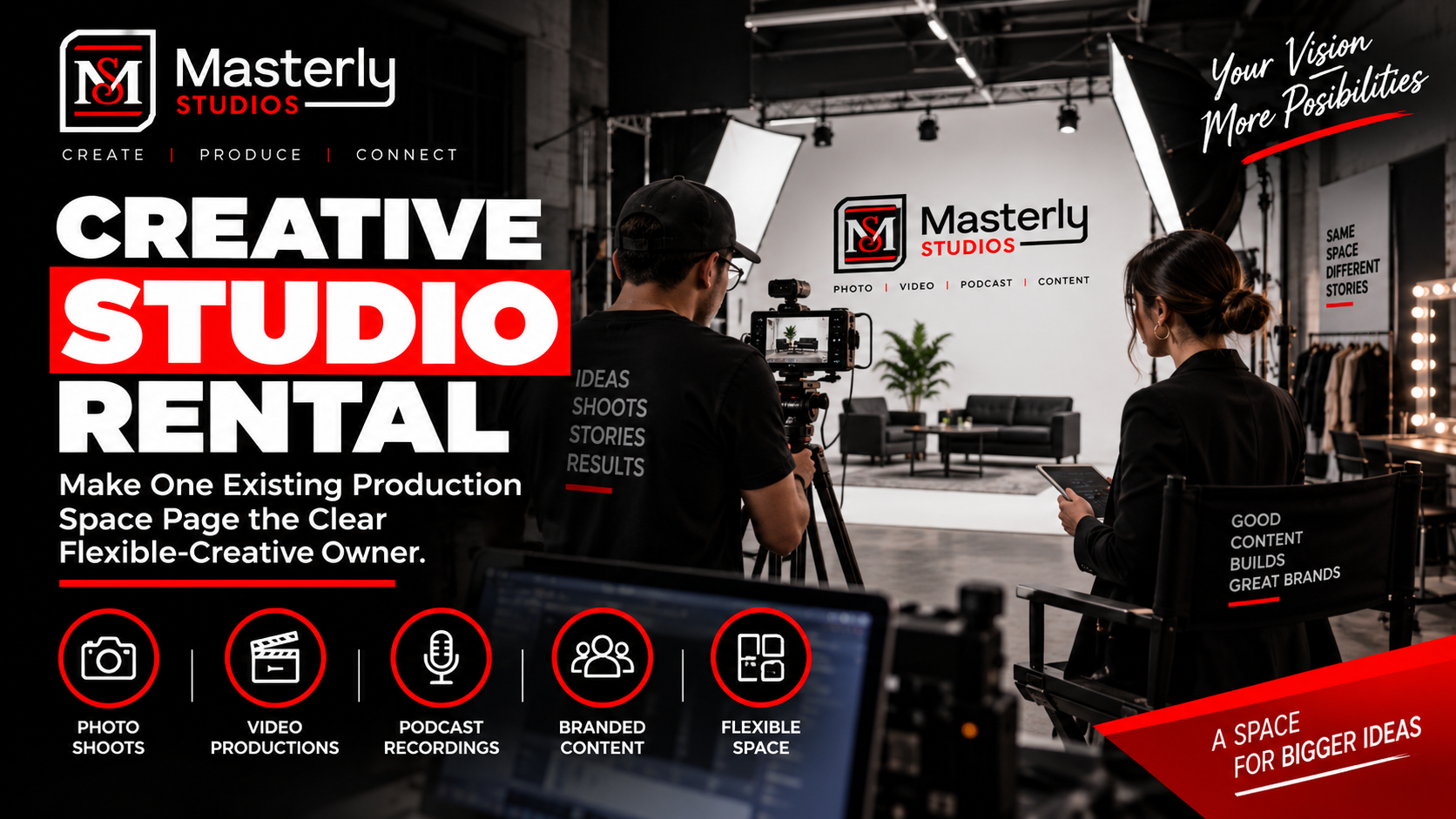
Book a creative studio rental for photography, video, branded content, and marketing campaigns with flexible production space at Masterly Studios for every project.
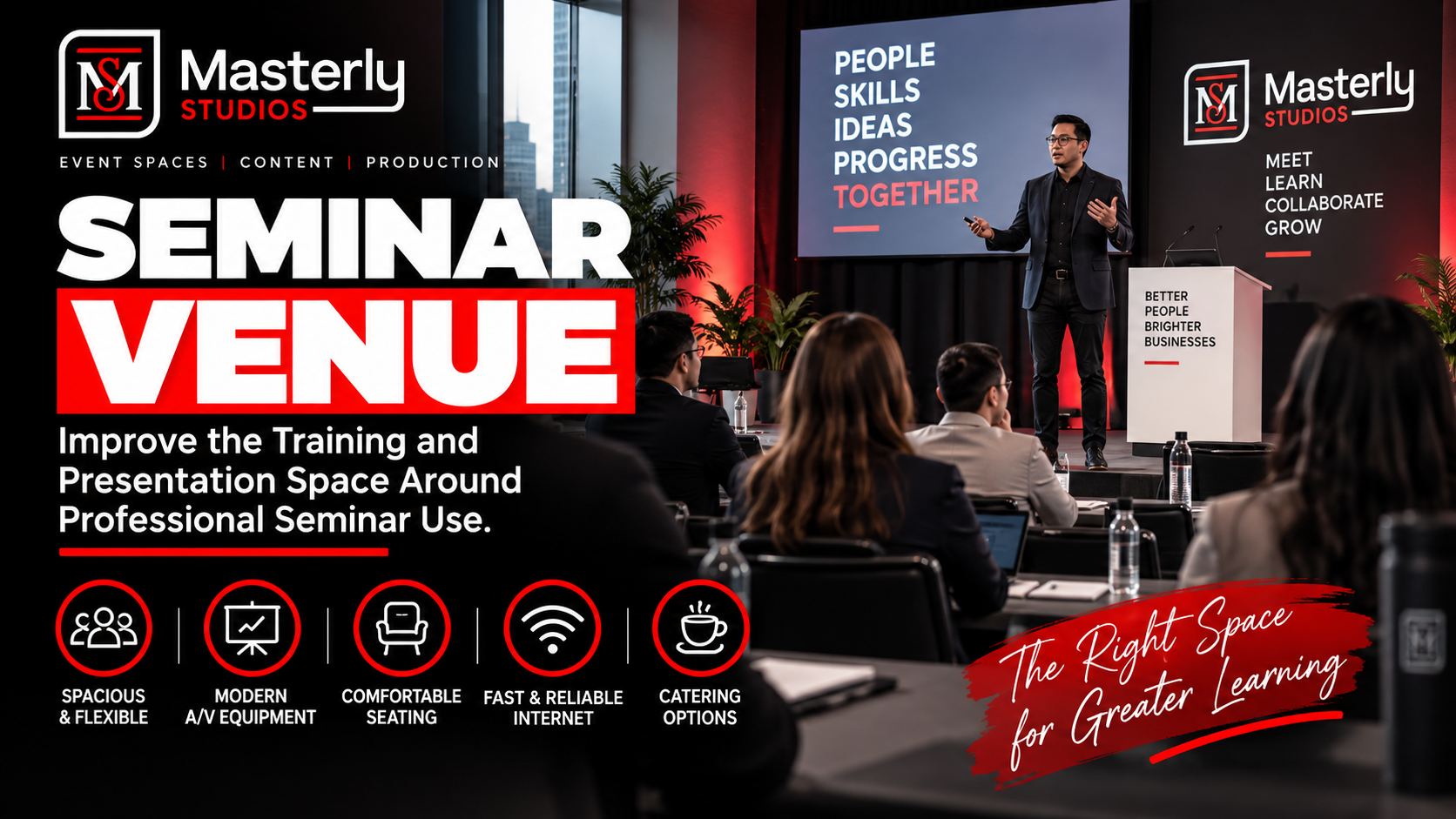
Book a professional seminar venue for training, presentations, and business events with flexible seating, A/V, check-in, parking, content support, and event setup.

Use an event venue checklist to evaluate capacity, layout, parking, load-in, A/V, Wi-Fi, accessibility, catering, branding, production, and overtime needs.