Event Planning Checklist: What Business Teams Should Confirm Before Venue Day
This is a subtitle for your new post
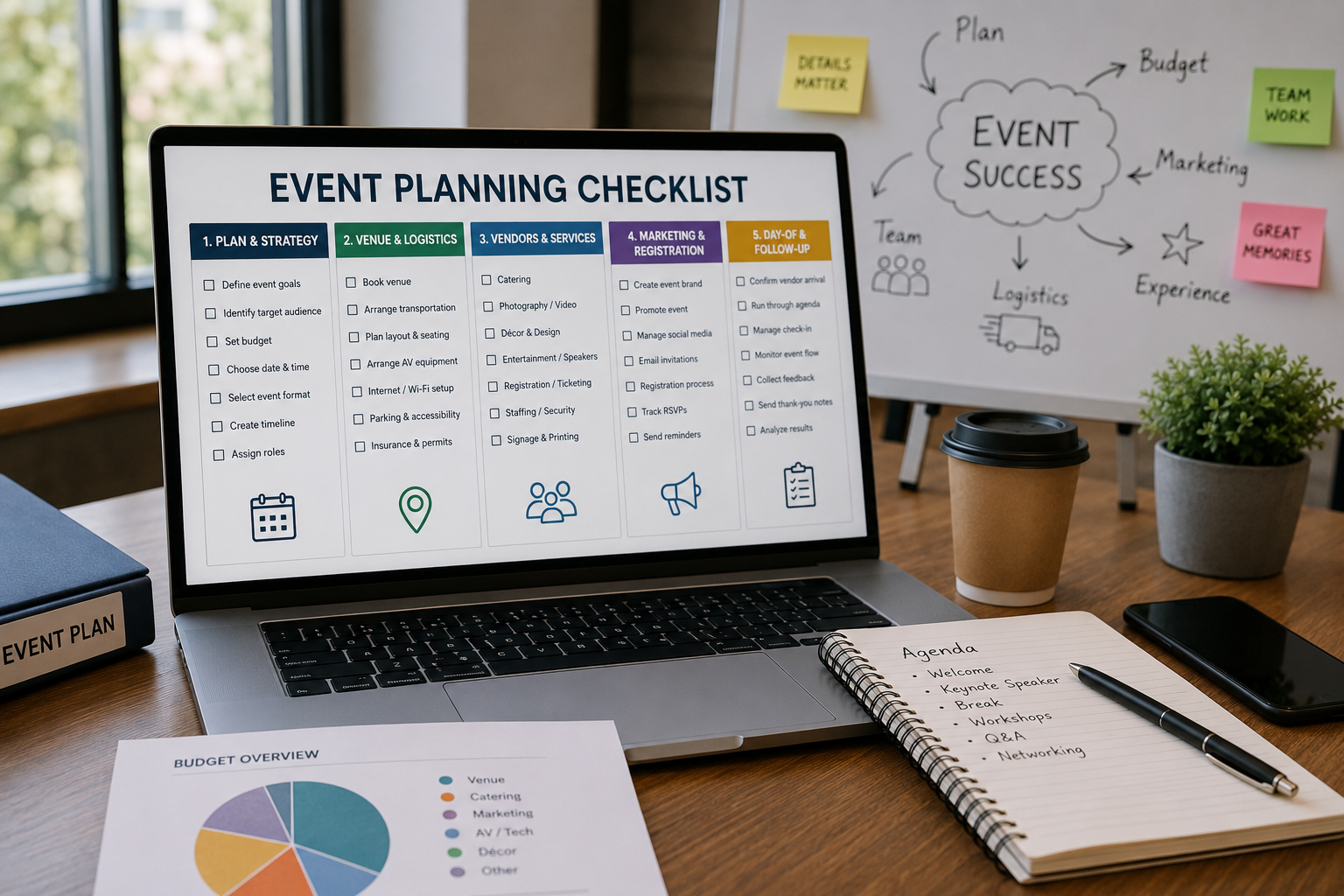
If you're planning a digital marketing event and need a structured framework to keep every detail on track, this checklist is your answer. A comprehensive event planning checklist covers the full event lifecycle from planning to follow-up, serving as a single source of truth throughout the process. Whether you're organizing a conference, product launch, or webinar, an event planning checklist helps track decisions and manage deadlines - so nothing critical slips through the cracks. Use this page as your go-to resource to plan, promote, and execute events that generate qualified leads and measurable ROI.
Ready to plan your next event? Start with the checklist below and follow each phase to launch with confidence.
Why Event Planners Trust This Comprehensive Checklist
This framework exists because generic planning lists fail digital marketing professionals. They lack the SEO focus, the promotion strategy, and the data-driven structure that modern events demand. Here's why planners rely on this checklist:
- Timeline-validated structure - Built around the 8–12 week planning cycle that maps to real event deadlines, not arbitrary suggestions
- Search-validated categories - Each section addresses what users actually search for when planning events, confirmed by keyword research on search engines like Google
- Measurable outcomes baked in - Every phase includes KPIs and difficulty metrics so you can track what matters, from attendance to lead generation
- Marketing-first approach - Unlike checklists that treat promotion as an afterthought, this one integrates content promotion, social media, and SEO from the start
What makes this different from other sites offering event planning lists? It combines the operational rigor of professional event management with digital marketing strategy - all on one page.
Why This Event Planning Framework Delivers Results
This checklist was designed for a new era of event planning where visibility in search results and audience engagement matter as much as logistics. Each section ties directly to outcomes event planners care about.
- Higher attendance through SEO and content promotion - By optimizing your event page for better visibility in search results and targeting the right keywords, you attract organic traffic from people actively searching for events in your niche
- Better lead quality through audience segmentation - Segmenting your audience improves event marketing effectiveness, ensuring the right mix of attendees who convert into qualified leads
- Increased engagement through multi-channel marketing - Marketing efforts should promote the event through multiple channels including email and social media, maximizing reach across domains and platforms
- Stronger post-event ROI through structured follow-up - Data collection and analysis protocols turn a single event into a long-term pipeline of business opportunities
Our Event Planning Checklist Categories
Below are the core sections of this checklist. Each category covers a specific phase, with clear goals and deliverables that keep your planning on track. A good checklist should be used as a single source of truth throughout planning - refer back to these categories at every stage.
Pre-Event Planning (8–12 Weeks Before)
A structured pre-event planning checklist ensures nothing critical is missed during the most important phase. Pre-event planning should start 4–6 months in advance for large events, but for mid-size digital marketing events, 8–12 weeks gives you adequate runway. Define clear goals and objectives before addressing logistics - this is the foundation everything else builds on.
- Define event objectives and KPIs - Set clear goals and KPIs to track event marketing success. SMART objectives help measure event success effectively. Event goals should be specific, measurable, and time-bound. Defining event goals ensures alignment among stakeholders and guides decision-making and resource allocation throughout every phase
- Identify your target audience and create buyer personas - Identifying target audiences is crucial for setting event goals. Identify your target audience to ensure the right mix of attendees, and use audience segmentation to decide on the right promotion channels. Effective audience segmentation leads to better event outcomes
- Set budget and allocate resources - Setting a budget involves allocating funds for major areas and maintaining a contingency reserve. Decide early how much goes toward venue, technology, advertising, and content creation
- Choose venue and confirm dates - A detailed pre-event timeline helps avoid chaotic decisions later. Lock in your venue, confirm dates, and begin vendor outreach immediately
Marketing, Content Promotion, and Promotion (6–8 Weeks Before)
This is where your event gains visibility. Use social media to promote events effectively. Email marketing remains a powerful tool for event promotion. And your Website needs to rank - not just exist, with the page matching search intent for the core query.
- Develop an event landing page with SEO optimization - Optimize your event page for better visibility in search results. Event pages should include location, date, and time details. A catchy title and informative meta description should also align with user intent to boost click-through rates. An optimized URL should clearly describe the event's content. Internal links from related pages can help users navigate to the event page. Use schema markup to enhance event visibility in search results and improve your ranking potential on the first page of Google search
- Create a social media campaign strategy - Include social sharing buttons on event pages to increase visibility. Plan video content for platforms like YouTube to expand reach. Identify which platforms your target audience uses most and focus your efforts there
- Set up email marketing sequences - Segment your audience for personalized messaging. Build sequences that move from awareness to registration, using subject matter experts or speakers as hooks
- Plan content marketing and PR outreach - Leverage local press to boost attendance for local events. Publish a blog post series leading up to the event. Pursue brand mentions on other sites and relevant publications. Consider pitching a useful PR article to strengthen your site's domain authority. Links earned through those placements can support visibility. Local services pages or partner directories can also be outreach targets when relevant to the event
Technology, Video Content, and Tools Setup (4–6 Weeks Before)
Your tools determine whether your event runs smoothly or falls apart on the day. This phase covers registration, analytics, streaming, and event management software.
- Configure registration and ticketing systems - Choose platforms that integrate with your CRM and marketing tools. Ensure the registration page is mobile-optimized and loads fast
- Set up analytics and tracking tools - Install tracking to measure traffic sources, registration conversion rates, and user behavior. Connect Google Analytics, UTM parameters, and any advertising pixels. Review performance against similar pages or competitors in your SEO tools, and check backlinks alongside rankings, shares, and traffic to understand promotion impact
- Test AV equipment and streaming platforms - For hybrid or virtual events, pre-event rehearsals are essential to ensure smooth execution. Test streaming quality, audio, and backup connections
- Implement event management software - Centralize your planning data, vendor communications, and attendee management in one platform, using the toolset as the source for planning and post-event reporting while aligning your setup with the ROI of event production so each technical choice supports measurable outcomes
Final Preparations (1–2 Weeks Before)
The final stretch is about confirmation, rehearsal, and contingency. A successful on-site execution relies on clear staff assignments and contingency plans.
- Confirm vendor arrangements and logistics - Effective vendor management includes securing contracts and confirming arrival times. Secure vendors and service providers early to reduce risk, and reconfirm everything in this final window
- Send final reminders to attendees - Identifying key participants ensures the right mix of attendees. Use email and social media for last-chance reminders
- Prepare on-site materials and signage - Event program details should include the agenda and session timing. Print or prepare digital signage, badges, and handout materials
- Brief team members on roles and responsibilities - Run a full walkthrough with your team covering every scenario, including contingency protocols for tech failures or schedule changes
How the Checklist Works to Establish Clear Goals
Follow this four-step framework from strategic planning through post-event analysis. Each step builds on the previous one, creating a clear path from concept to measurable results.
Step 1: Strategic Planning Phase and Identifying Target Audience
Start by completing the Pre-Event Planning section above. Your key deliverables are finalized event goals, a confirmed target audience profile, a locked budget, and a venue contract. This phase sets the direction - clear event goals guide decision-making and resource allocation for every step that follows. Plan to spend 2–3 weeks here for mid-size events.
Step 2: Marketing and Promotion Execution
With your strategy set, execute your marketing plan across all channels. Monitor keyword rankings for your event page, track email open rates, and measure social media engagement weekly. The average number of touchpoints needed to drive a registration is 5–7, so plan your content promotion calendar accordingly. Use data from your analytics tools to adjust messaging and ad spend in real time.
Step 3: Event Day Operations
On event day, your focus shifts to execution and real-time monitoring. Assign clear roles for registration, AV management, speaker coordination, and attendee support. Have a live dashboard tracking check-ins, session attendance, and social media activity. Your body copy for live updates should be pre-drafted so your team can publish quickly across pages and platforms.
Step 4: Post-Event Analysis and Follow-Up
Post-event communications should include thank-you messages to attendees and participants. But don't stop there - gathering feedback from attendees is important for evaluating event success. Collect survey responses, analyze registration-to-attendance conversion rates, review lead quality, and calculate overall ROI. Document lessons learned and feed them into planning for your next event. Post-event recap videos or a recap article on your website can also extend visibility after the event. This research phase is what separates one-time events from a scalable event program.
Event Planning Success Stories
Concrete examples demonstrate how this checklist framework drives results. Below are outcome templates - use these as benchmarks for your own events or fill in with your actual data:
- Digital Marketing Conference - Used the full 12-week checklist timeline. Achieved [X] registrations through SEO-optimized event pages that ranked on the first page of Google for [target keyword]. Generated [X] qualified leads from post-event follow-up sequences
- Product Launch Webinar - Executed the marketing and promotion phase with a focus on email segmentation and video content. Drove [X]% attendance rate against [X] registrations, with [X]% of attendees requesting demos
- Industry Networking Event - Leveraged local press and social media ads to fill [X] seats. Post-event survey showed [X]% attendee satisfaction and [X] new business partnerships formed
What Event Planners Say
Real feedback from professionals who have used this framework:
"[Testimonial from event planner including specific metrics achieved, event type, and how the checklist helped - e.g., attendance increase, lead quality improvement, time saved in planning.]"
- [Name], [Title], [Company]
"[Testimonial focusing on the marketing and promotion phase - how SEO optimization, social media strategy, or email sequences drove results.]"
- [Name], [Title], [Company]
Event Types This Checklist Covers
This framework adapts to multiple event formats and industries. Audience segmentation helps choose the right promotion channels for each type:
- Conferences and summits - Multi-day events with breakout sessions, keynote speakers, and exhibit halls
- Webinars and virtual events - Online events requiring streaming setup, digital engagement tools, and remote attendee management
- Trade shows and expos - Booth design, lead capture, and on-site logistics for high-traffic environments
- Product launches - Coordinated marketing campaigns with advertising, video production, and press outreach
- Networking events and meetups - Community-focused gatherings with emphasis on attendee matching and local promotion
- Hybrid events - Combining in-person and virtual experiences with synchronized content delivery across both audiences
- Workshops and training sessions - Hands-on events requiring materials, facilitator coordination, and participant tracking
Corporate Event Planning Starts With the Right Venue Details
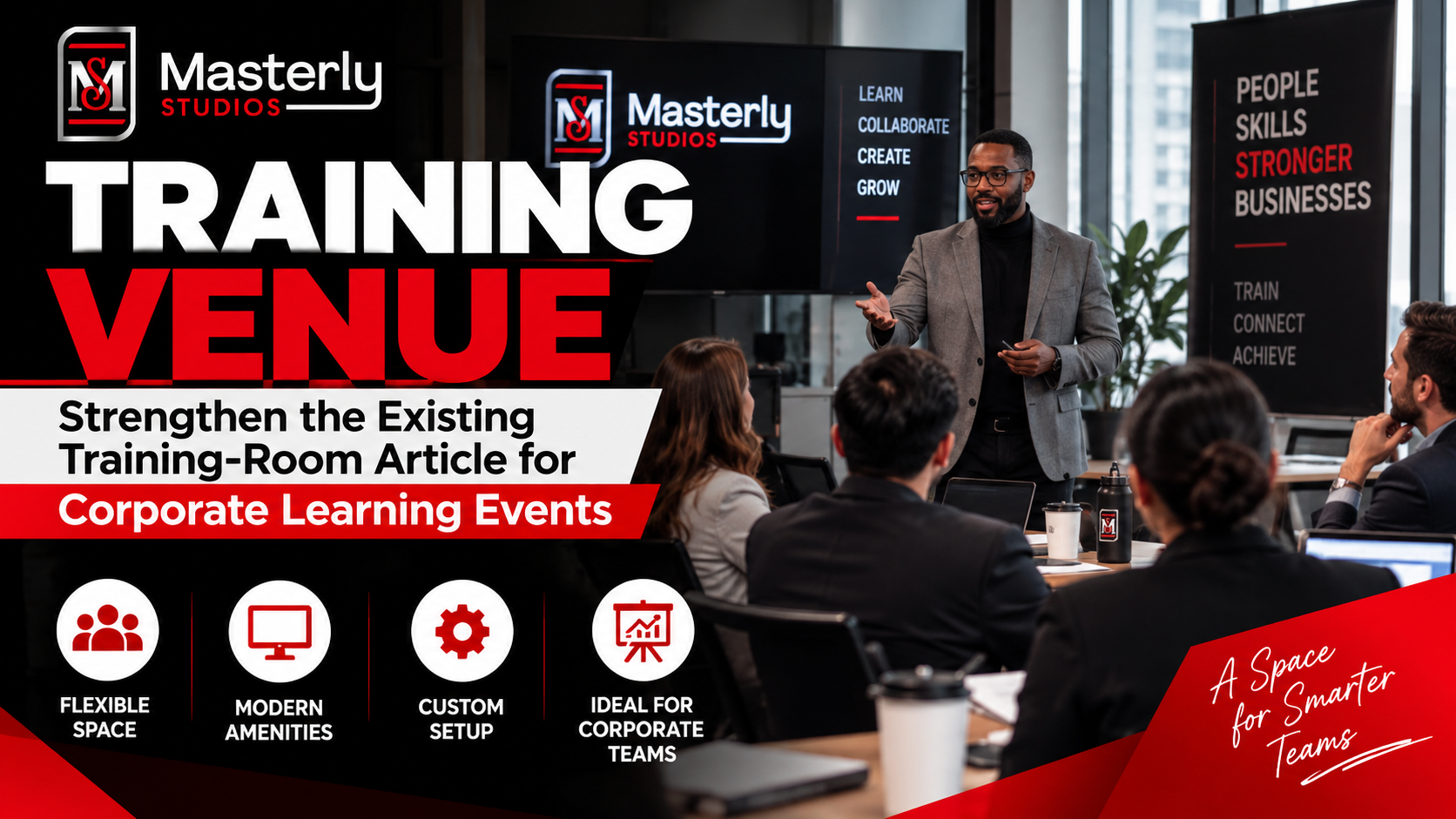
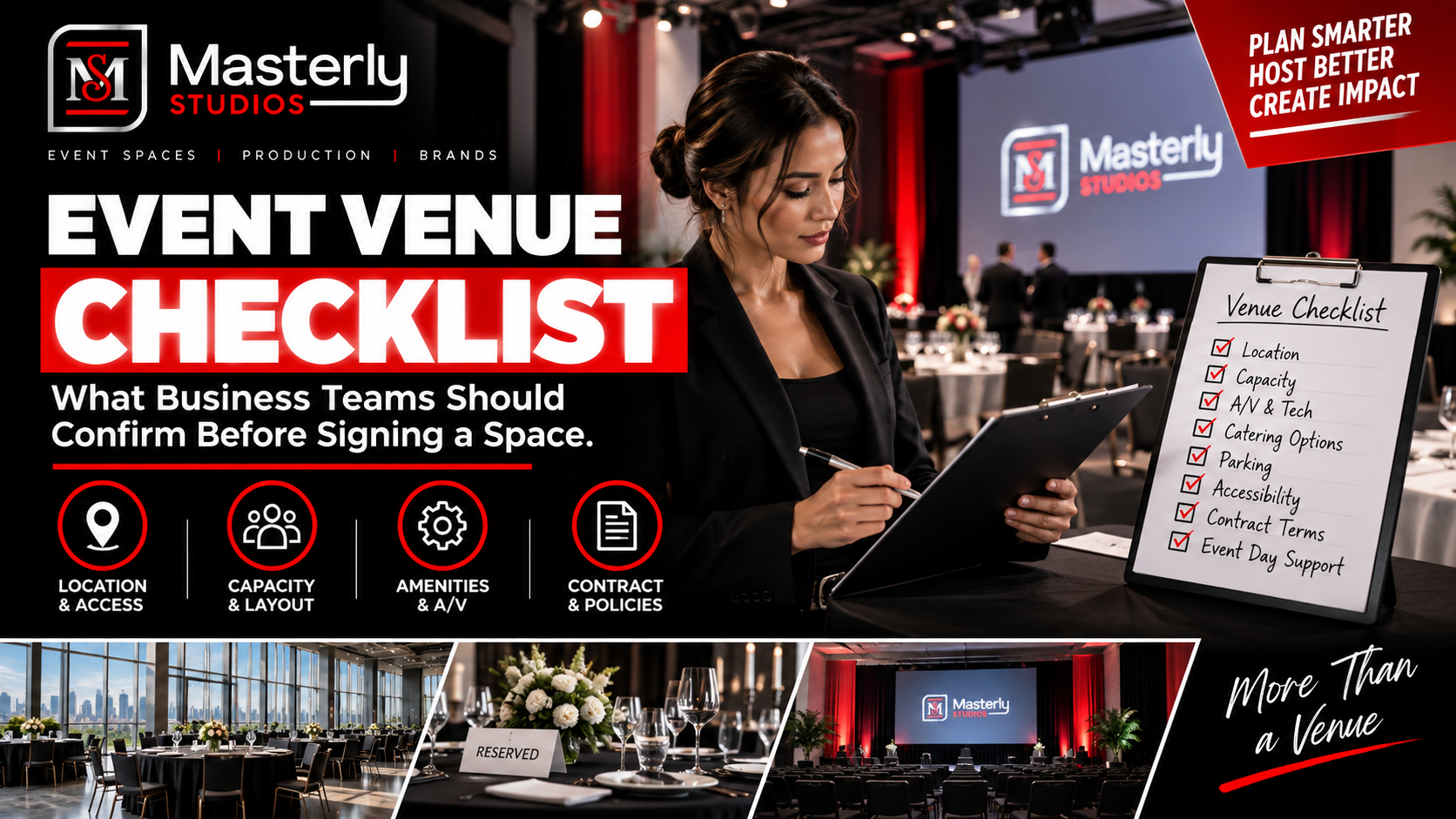
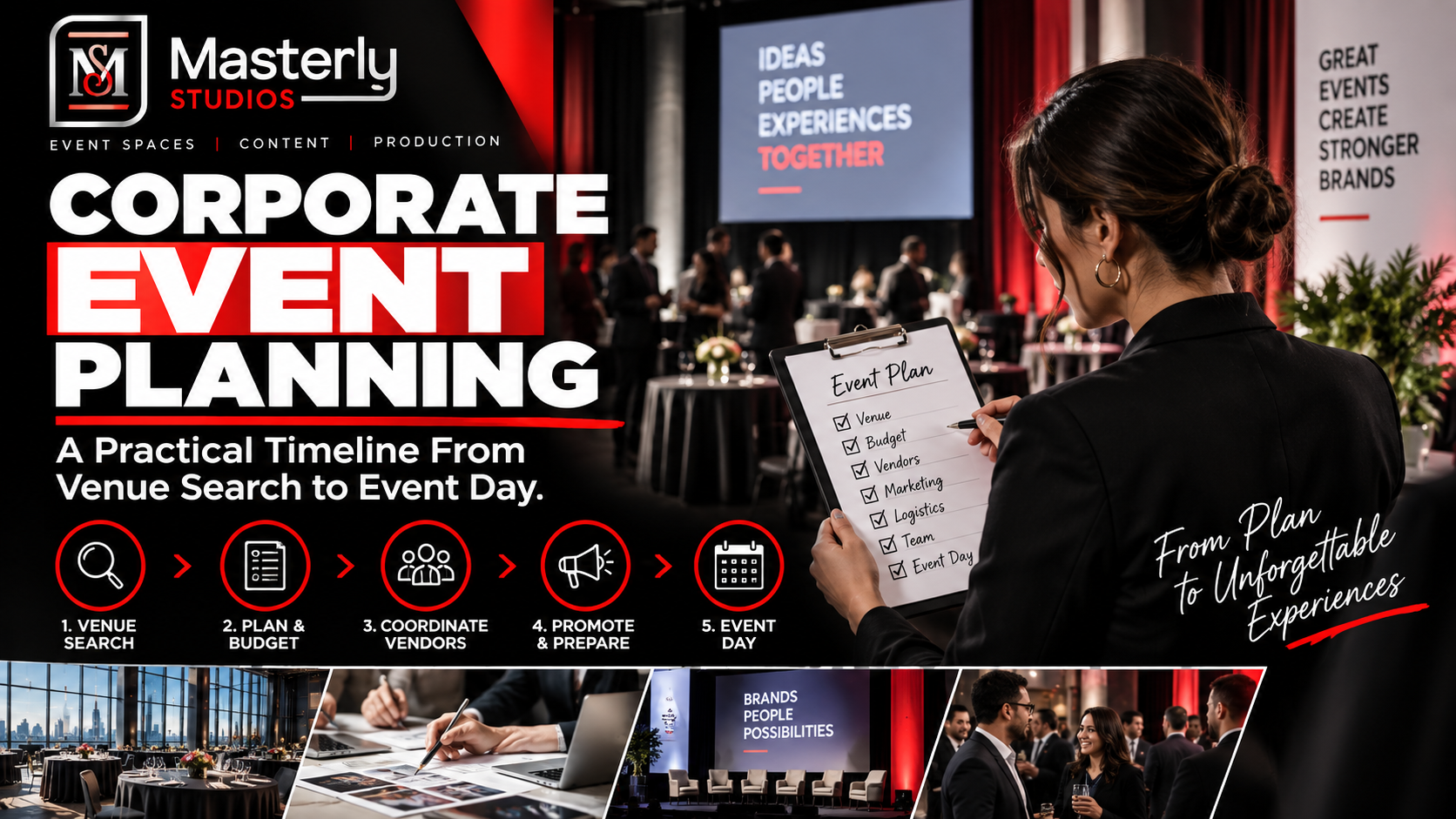
Effective corporate event planning depends on confirming important details before the event day. A clear venue checklist should account for AV planning, room setup, event logistics, catering, and parking so the space supports the event’s purpose and guest experience. Addressing these needs early can help teams choose a venue that fits the meeting, presentation, training, or corporate gathering.
Frequently Asked Questions
How far in advance should I start using this checklist?
For mid-size digital marketing events (100–500 attendees), begin 8–12 weeks before your event date. For large-scale conferences or multi-day events, pre-event planning should start 4–6 months in advance. Smaller webinars or meetups can work with a compressed 4–6 week timeline. The key variable is competition for venues, speakers, and vendors - the earlier you start, the lower the difficulty of securing what you need.
What tools integrate with this checklist approach?
This framework works with most major event management, CRM, and marketing platforms. Recommended categories include project management tools (for checklist tracking), email marketing platforms (for segmented sequences), registration and ticketing systems, and analytics tools for measuring traffic and conversions. Specific tool selection depends on your event type, budget, and existing tech stack. The checklist is platform-agnostic by design - adapt it to whatever tools your team already uses.
How do I customize this checklist for my specific event type?
Start by reviewing the full checklist and removing items that don't apply to your format. For example, virtual events won't need on-site signage but will need additional technology testing steps. For local events, add a section for community outreach and leverage local press to boost attendance. For events with low keyword difficulty topics, you can create supporting blog post content and related topics pages that drive organic search traffic to your registration page. The structure stays the same - only the specific tasks within each category change.
Request a Qualified Venue Inquiry When the Event Needs a Professional Atlanta Space
The right venue should support your event’s room setup, AV needs, guest experience, and overall logistics. Masterly Studios provides a professional Atlanta setting for organizations planning meetings, presentations, training sessions, and other corporate events.
Call Masterly Studios at (404) 726-7261 to request a qualified venue inquiry and discuss your event and space requirements.