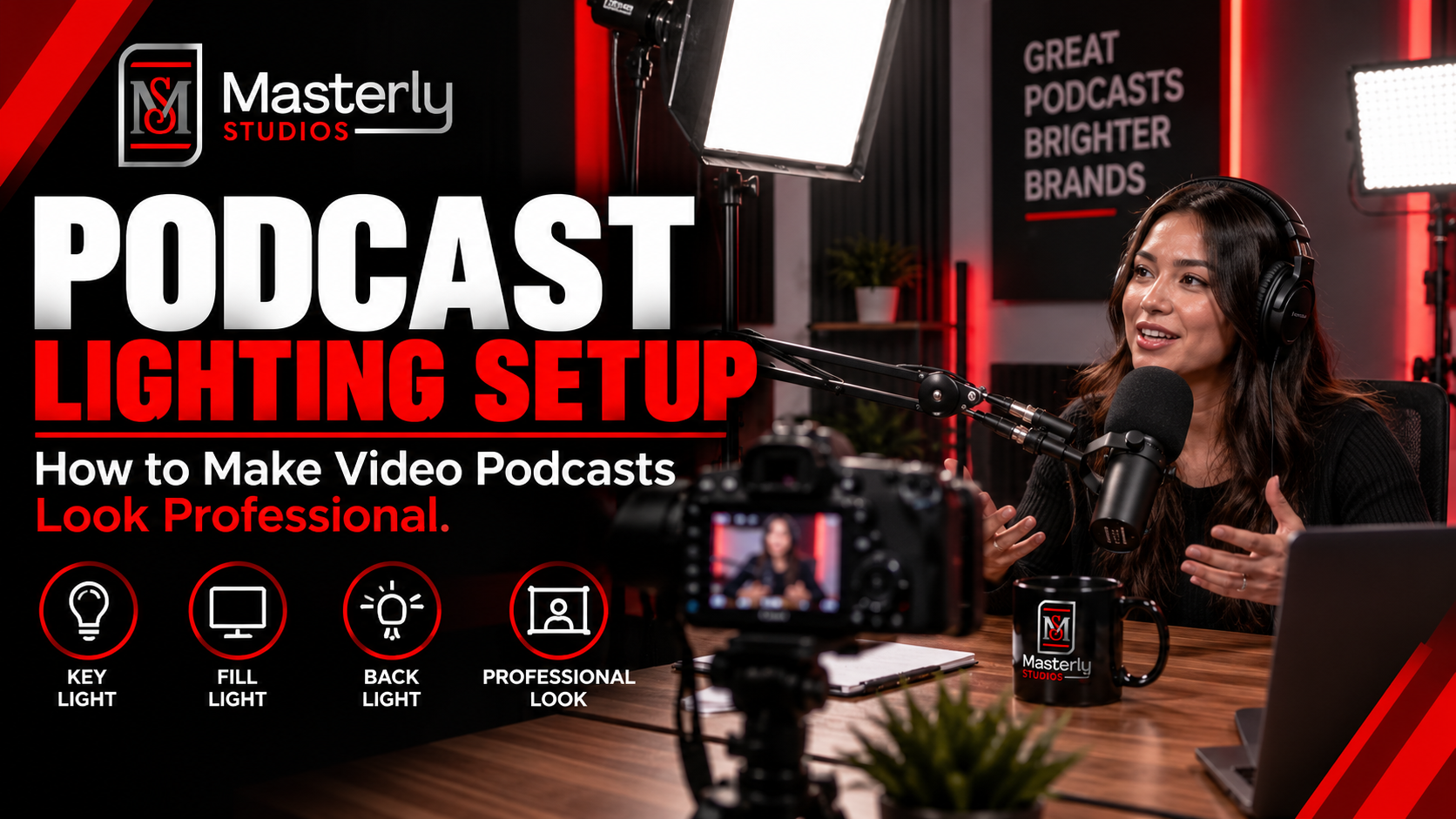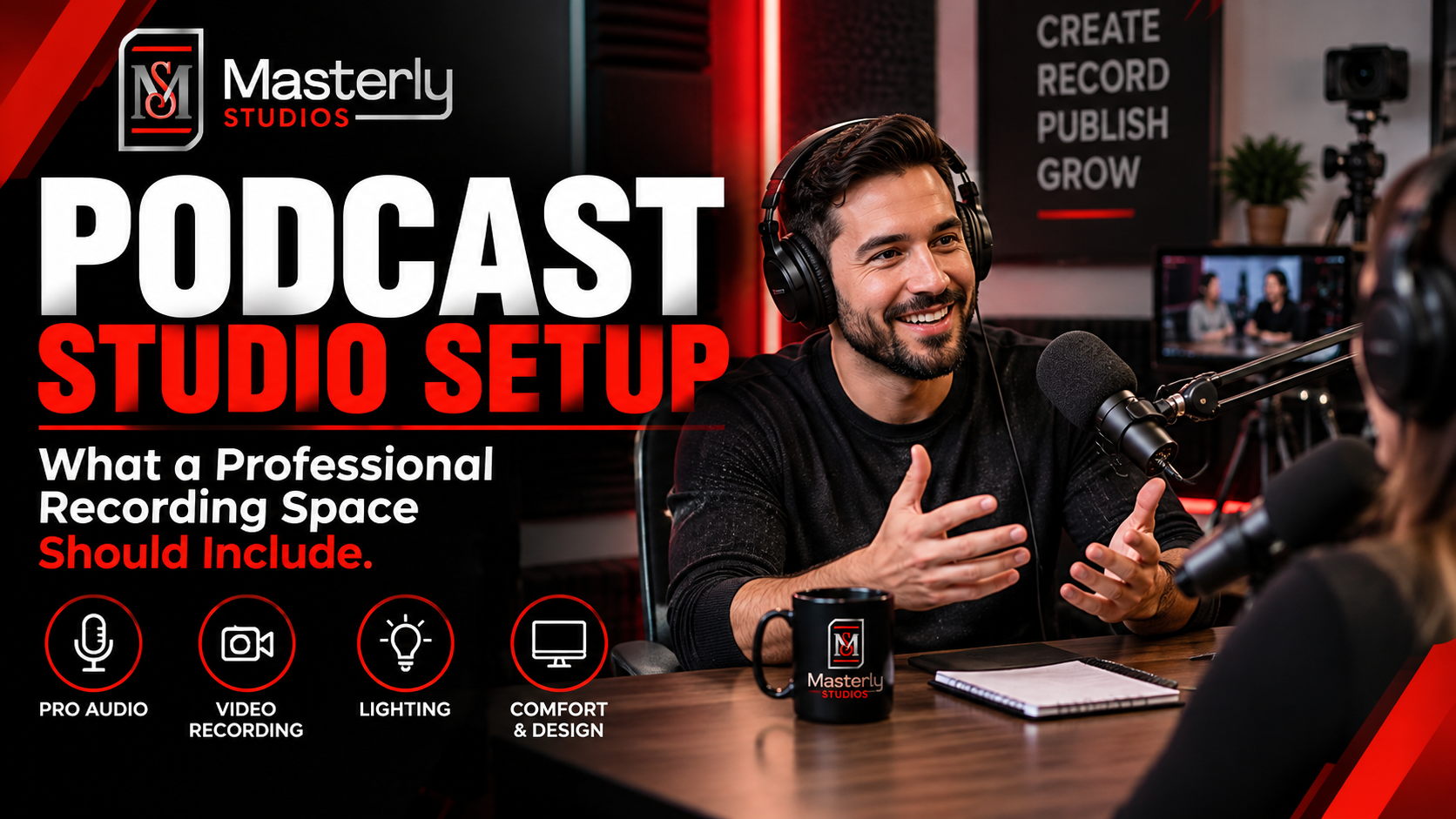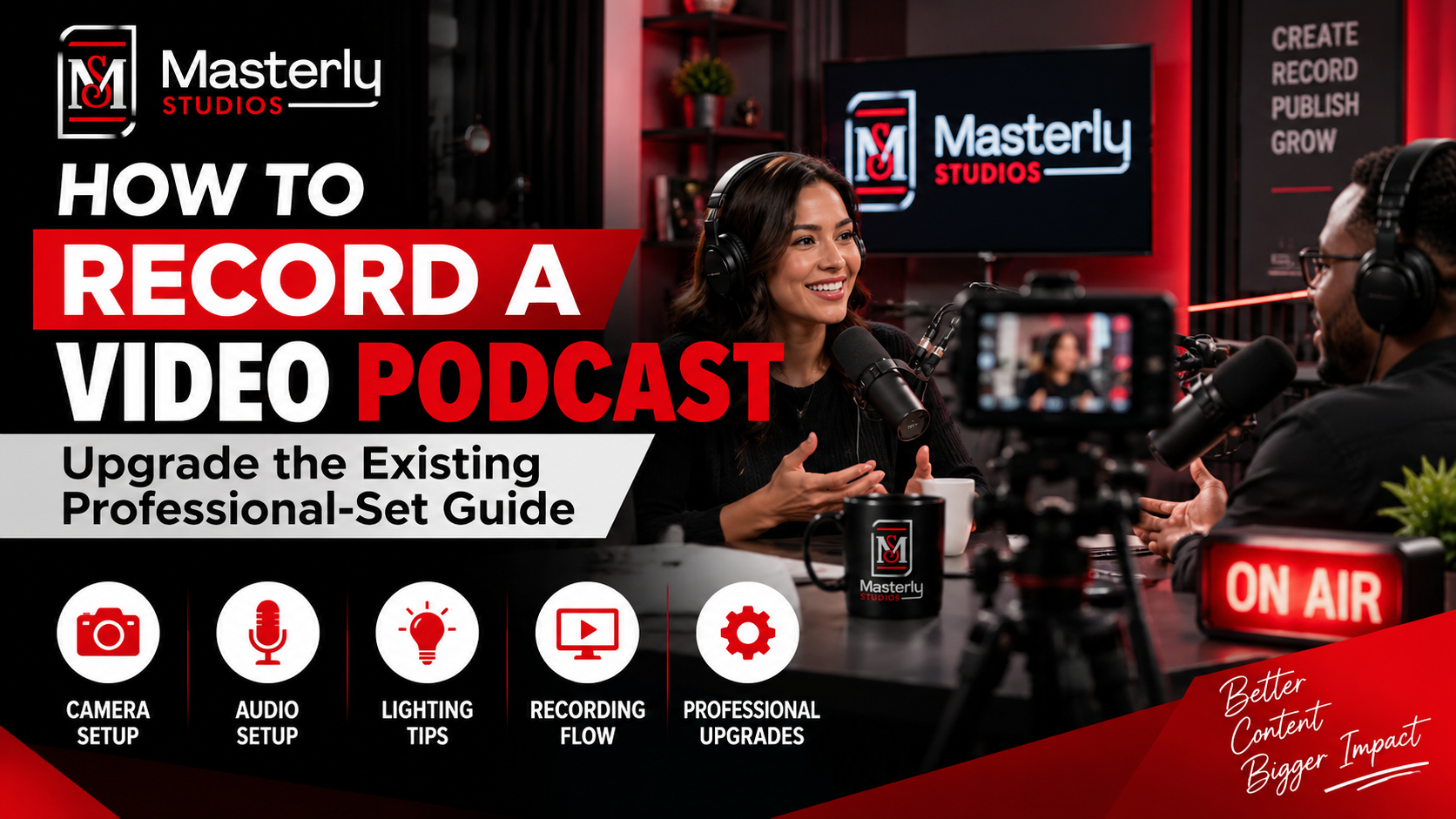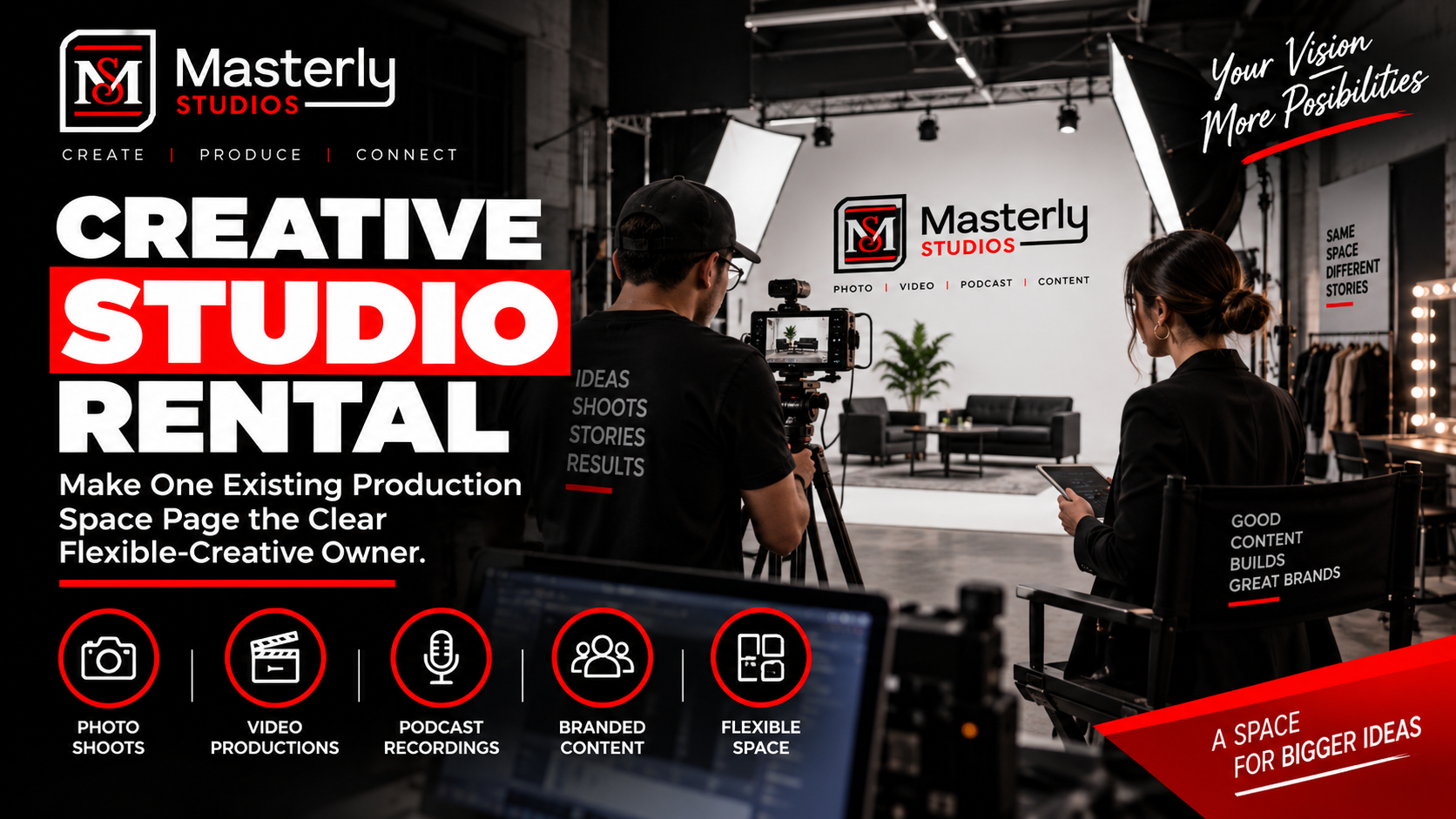
studio lighting; service-page video; social edit sequence
Video production for law firms has moved from brand flair to a core pillar of legal marketing and client intake. With 85% of people preferring to watch video over reading text, and videos viewed six to seven times more frequently than static content, the firms still relying on text-only bios are losing consultations they never know about. This article breaks down exactly which videos to create, how a production day works, and how to measure ROI in new clients and better cases.
Why Video Production for Law Firms Matters Right Now
Video production for law firms focuses on building trust, credibility, and clarity long before a prospective client picks up the phone. When someone watches an attorney calmly explain a 2025 statute update or walk through what happens after a trucking accident, that personal touch creates confidence that a written bio never delivers. High-quality videos can establish trust with potential clients in ways that feel immediate and human.
Video marketing can increase law firm visibility significantly, yet only about 25% of law firms have active video programs. That gap is an opportunity. Prospective clients now routinely watch at least one video on a law firm's website, Google Business Profile, or Instagram Reels before deciding who to call. Video can build trust before a prospective client even schedules a consultation.
This article is written by Masterly Studios, a commercial video production company that specializes in attorney video production and authority-building video content - interviews, faq videos, case-process explainers, and social clips. Below, you will see the exact formats that convert, how pre production and post production work, and how to distribute law videos for maximum case volume.

The Business Case: How Law Firm Videos Win Better Cases
Consultation lift is measurable. A flagship firm video on a homepage can increase consultation form fills by 30–50% compared to pages without video. One mid-size personal injury firm produced a video library and saw cost per lead drop by 38% within 90 days. Professional video production enhances a law firm's visibility and client engagement in ways that compound over time.
Track four KPIs. Measure consultation requests from pages with video versus pages without, average case value before and after deploying video, conversion rates from paid search and LSAs with video extensions, and time-on-page for practice area pages with embedded content. Video increases conversion rates by 45%, and law firms using video report an average ROI of 300% in year one.
The obvious choice problem. A firm with text-only bios blends into the competition. A firm using attorney interviews, client testimonials, and case studies becomes the obvious choice because website visitors can see expertise, hear tone, and feel an emotional connection. Legal consumers equate poor production quality with low competence - so quality matters as much as quantity.
Addressing objections. Cost concerns fade when you realize one well-planned shoot day can produce a year of high quality production assets across web, email, and digital advertising. Billable-hour disruption is minimal when the production crew manages the schedule. Compliance risk drops when your partner understands attorney advertising regulations. The money is well spent.
The Core Law Firm Video Types That Actually Convert
Most high-performing law firms don't need dozens of formats. They need five to seven core types done well. Short educational videos are effective marketing tools for law firms, and each format below serves a distinct role in the intake funnel.
Attorney interviews are one-on-one setups where lawyers answer focused questions - "What happens in the first 72 hours after a trucking accident?" - in 60 to 120 seconds. These humanize attorneys and build credibility by letting the right audience hear real expertise directly from the source. They work on service pages and YouTube.
Service page explainers give each practice area a concise overview: process timelines, what to bring, what to expect. Practice area explainer videos can simplify complex legal topics and reduce confusion before the first call. Video production can explain complex legal topics simply when the focus stays on clarity over jargon.
Client testimonial and case study videos serve two purposes. Short testimonials from past clients provide emotional weight and authenticity, while structured study videos walk through a representative case to show process and resolution. Neither format should promise legal results.
FAQ and objection-handling videos cover questions like how contingency fees work or what the statute of limitations means in your state. Effective video marketing includes educational content addressing common legal questions, and these clips also reduce repetitive intake conversations. Educational videos can simplify complex legal terminology for clients who feel overwhelmed.
Process and culture videos show who answers the phone, how intake works, and what the office looks like. Client engagement videos can improve the client experience by de-escalating anxiety before the first call.
Short-form social clips repurpose longer interviews into 15- to 45-second vertical cuts for LinkedIn, Instagram Reels, TikTok, and YouTube Shorts. Each clip focuses on one tip or myth-buster with a hook in the first three seconds.
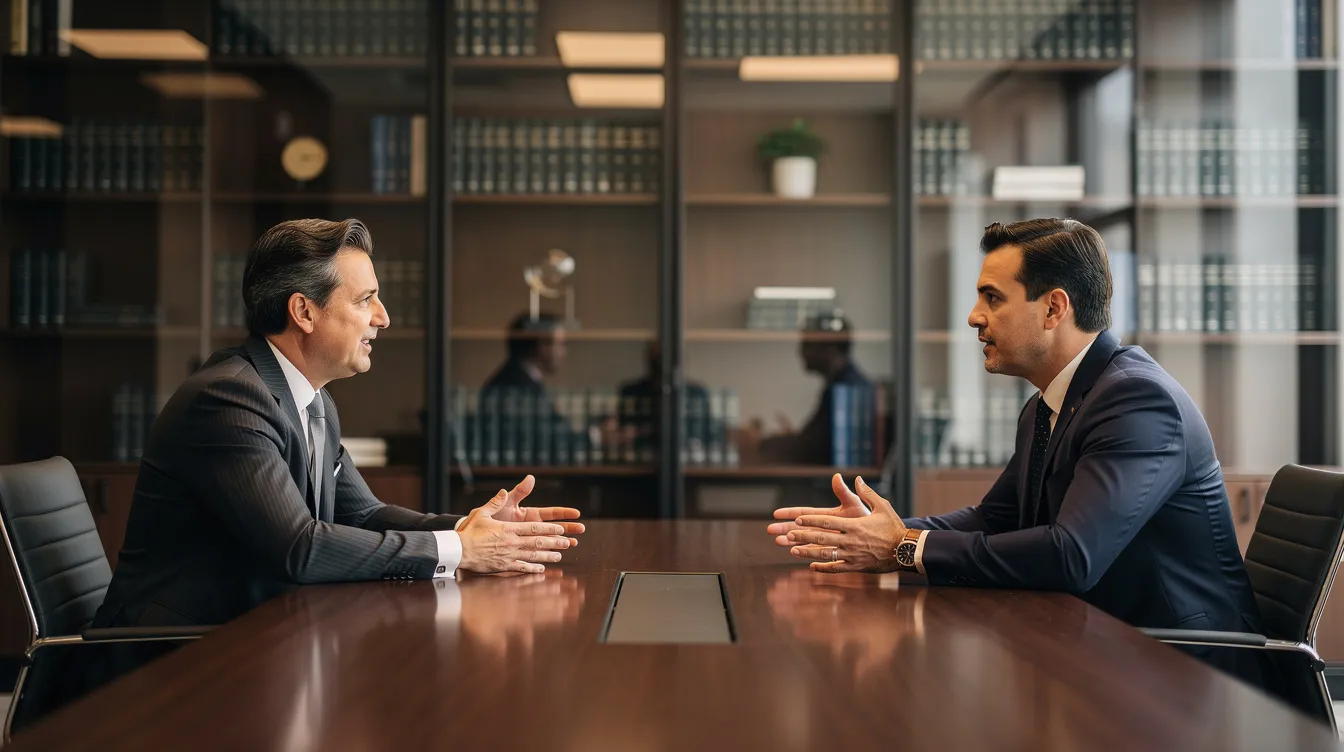
Planning Pre Production for a Law Firm Video Shoot
The difference between average and conversion-driving videos usually comes from disciplined pre production, not fancier equipment. Video production includes pre-production, production, and post-production stages - and the first stage is where strategy lives.
Messaging and positioning: Masterly Studios works with firms to clarify differentiators - bilingual trial experience, 24/7 response for catastrophic injury, deep knowledge of a specific statute - and maps them to talking points. Firms should avoid overly scripted performances in attorney videos; structured but conversational delivery performs best. Videos should reflect authentic legal insights and clear communication.
Content mapping: Use Google Analytics to identify top-traffic service pages, then map a homepage hero video, brand videos for the flagship story, service page explainers, and faq videos tied to intake automation. Structured video content can help extend a law firm's marketing reach across every stage of the funnel.
Run-of-show: Build a detailed schedule with arrival times, wardrobe guidance, shot lists for talking heads and b-roll, and backup plans if an attorney is delayed. Effective video production requires balancing professionalism with human relatability, so leave room for candid moments.
Compliance and ethics: Videos must comply with attorney advertising regulations. Coordinate with the firm's ethics counsel to ensure no promises of outcomes and clear disclaimers where required by state bar rules.
Location and look: Shoot in real offices, conference rooms, and nearby cityscapes rather than generic stock backdrops. A recognizable local courthouse or downtown skyline anchors the firm in its market and gives the project authenticity.
Production Day: Capturing Crisp, High Quality Footage
A well-run shoot day means attorneys just show up, talk about what they know, and get back to their caseload. The production crew handles everything else.
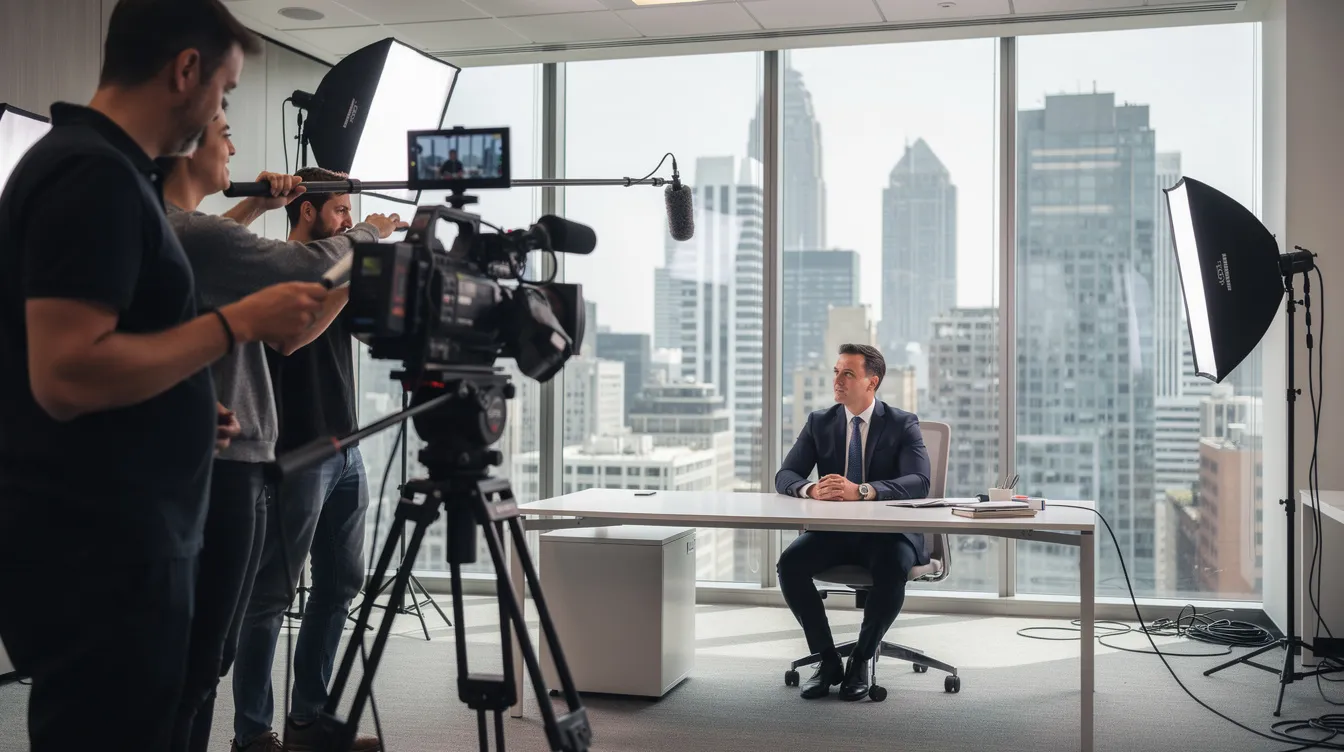
Camera and lighting: Professional cinema or mirrorless cameras record in 4K with soft key lighting that flatters without looking staged. Background separation adds depth. The goal is crisp video that feels polished but real - not a Hollywood set.
Audio: Lavalier microphones with backup audio tracks are essential. Shooting video in a quiet room avoids HVAC hum and street noise that undermine otherwise high quality videos. Sound quality is often what separates amateur from professional.
Directing attorneys: A director coaches lawyers through on-camera delivery - short sentences, conversational tone, looking slightly off-camera for interviews. Real client stories, anonymized, keep the content grounded. The best moments come when attorneys stop performing and start talking naturally.
B-roll: Capture file review on tablets, remote consultations, walking into local courthouses, war-room collaboration, and community events. These visuals create a story around the firm's daily practice.
Efficiency: Batch producing video content can improve efficiency in marketing efforts dramatically. Film all personal injury FAQs in one block, then criminal defense, then attorney profiles. A single shoot day can produce 20 to 40 clips for web, email, and social media.
Post Production: Turning Raw Footage into Persuasive Legal Content
Post production is the editing, color grading, sound mixing, and graphics work that turns raw footage into compelling video content ready for every platform. Editing begins immediately after filming ends, usually within 7 business days.
Editing and story structure: Editors build a clear arc - hook in the first three to five seconds, concise explanation, then a clear next step. Videos should include clear calls to action to guide viewer responses, whether that is a phone call, a form, or a free consultation page.
Color, sound, and graphics: Color grading maintains a consistent, trustworthy look across all videos. Audio sweetening removes echo and noise. Lower-third titles display attorney names, practice areas, and bar admissions. Every detail reinforces legal expertise.
Captions and accessibility: Optimize videos for silent viewers by including burned-in captions and SRT files. This supports ADA-conscious design and improves comprehension for non-native English speakers. Many people watch on mute during social autoplay.
Versioning for platforms: From one master edit, deliver 16:9 for website and YouTube, 9:16 for Reels and Shorts, and 1:1 for LinkedIn feed. Multiple lengths - full, mid, and short - stretch the investment across every channel.
Review and approvals: A structured feedback process with one to two revision rounds, clear deadlines, and final delivery formats that plug into the firm's CMS and marketing automation keeps the project on schedule.
Distributing Your Law Firm Videos for Maximum Impact
Even the best law firm video production fails without a distribution plan. Here is where video seo, intake, and referral marketing connect.
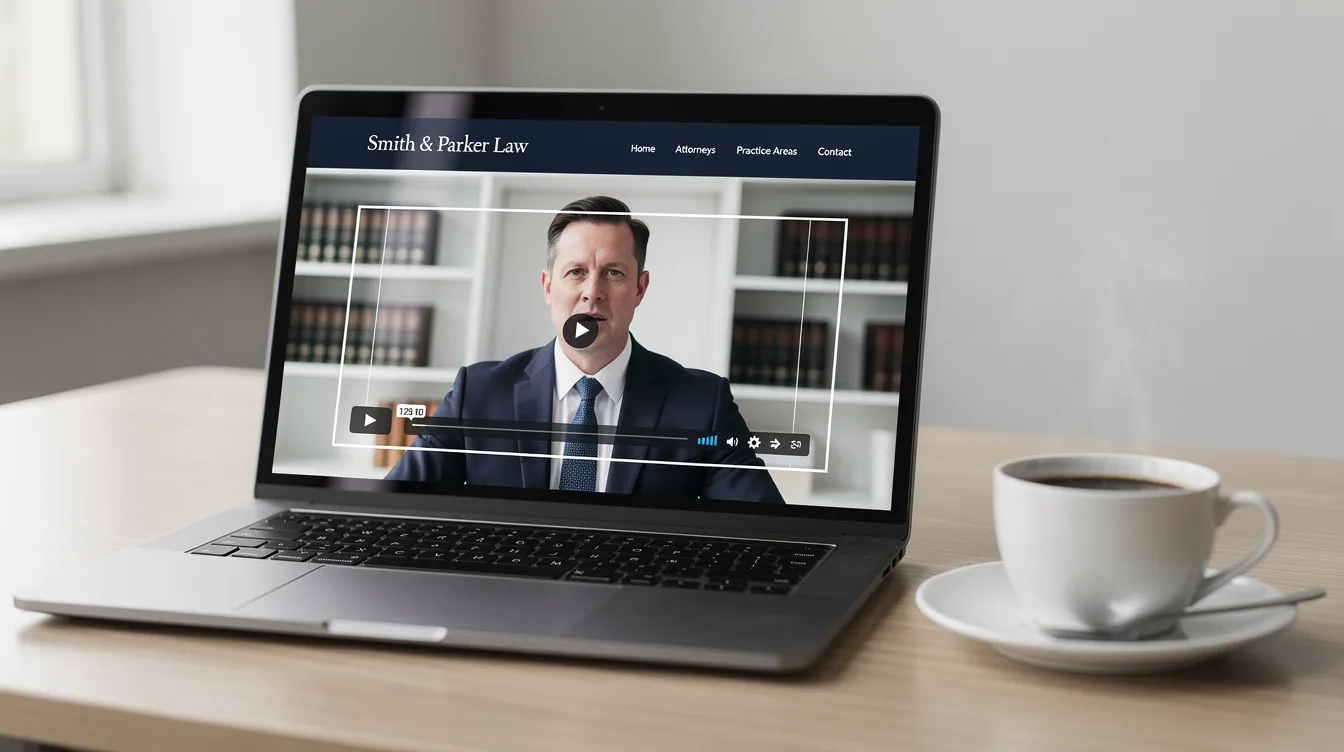
Website integration: Place videos on the homepage hero, above the fold on priority practice pages, FAQ sections, and attorney bio pages. Websites with video rank higher on Google, and visitors spend two additional minutes on websites with video - boosting dwell time signals that matter for search.
YouTube and search: Create a YouTube channel organized by playlists - practice areas, FAQs, client education. Use keyword-rich titles and descriptions so your video rank higher in both YouTube and Google results. Video content can increase organic search traffic by 95%.
Social media: Adapt attorney interview clips into regular posts on LinkedIn, Facebook, Instagram, and TikTok. Platform-appropriate hooks and captions help you reach the target audience and right audience on each channel.
Email and intake: Embed short explainer videos - "What to expect at your first consultation" - in follow-up emails to leads. This warms potential clients before they meet the attorney and reduces no-show rates.
Retargeting and paid: Use video assets in retargeting campaigns on Meta, YouTube, and programmatic platforms to stay top-of-mind with website visitors who viewed key practice pages but did not convert.
Choosing a Video Production Partner for Your Law Firm
When comparing production shops - whether generalist studios, agencies like solvis media, or legal-specialized teams - law firms need more than technical skill. They need industry fluency and a strategic mindset.
Legal fluency: A partner that understands practice areas, advertising rules, and intake realities saves hours of review time and prevents compliance missteps. This is non-negotiable in the legal industry.
Proven law firm work: Look for a portfolio featuring multiple law firms across practice areas and markets - multi-attorney brand films, FAQ libraries, testimonial campaigns. Ask to watch examples before signing.
Strategy plus production: Masterly Studios combines storytelling strategy, shoot execution, and implementation support. The difference between a video production services company that hands over files and one that helps you deploy content across your site, social, and email is the difference between footage and new business.
Process transparency: Ask about pre production planning, on-site crew size, turnaround time, and how many final assets a typical law firm receives from one shoot day. High quality production means knowing exactly what you are paying for.
Long-term content plans: Favor partners who think in ongoing content calendars - quarterly shoots, regular FAQ updates as laws change - instead of one-off projects. Continuous velocity helps your video investment compound in impact and video seo over time.
Next Steps: Plan a Law Firm Video Production Day
Intentional video content shortens the path from first impression to signed client and positions attorneys as trusted experts before anyone picks up the phone. The market rewards firms that create videos consistently, not just once.
Start with three steps: audit your existing pages and intake FAQs to find gaps, identify five to ten videos that would answer the most common questions from prospective clients, and schedule a dedicated production day with a specialized partner.
Plan a Law Firm Video Production Day with Masterly Studios. One coordinated day of filming can produce a full year of evergreen and social-ready content - a powerful medium for attracting new clients and better-fit cases. The goal is not pretty footage. It is a library of strategic assets that drive case volume, build trust, and keep your firm ahead of the competition.