
The Difference Between a Podcast and Great Storytelling Podcasts
January 27, 2026
Almost anyone today can start a podcast. With a microphone, an idea, and a hosting platform, voices from around the world are released into the audio space every week. Yet only a small fraction of shows rise above the noise to become great storytelling podcasts that listeners actively seek out, recommend to friends, and build into their daily lives. That gap between “having a podcast” and creating something truly memorable is wider than many podcasters realize.
At Masterly Legal Solutions, we work with creators, professionals, and businesses who want to elevate their podcast from simply publishing episodes to producing compelling storytelling podcasts that resonate. This article explores the quality gap that separates an average podcast from the storytelling podcasts audiences love. Understanding that gap is often the moment podcasters realize they need guidance, structure, and professional support to move forward.
Shows like This American Life, produced by WNYC Studios and guided by host Ira Glass, demonstrate how a consistent voice can define an entire series. The host’s tone, curiosity, and empathy become part of the storytelling itself.
Whether discussing science, politics, culture, or business, storytelling podcasts translate complex ideas into relatable experiences. This is why listeners often feel inspired, moved, or challenged after listening.
True stories often feel more urgent and meaningful because they involve real people. Listeners are drawn to the truth behind the narrative, even when the subject matter is uncomfortable or mysterious.
Voice actors, music, and sound effects play a major role in these shows. When done well, fictional storytelling podcasts can be just as immersive as film or TV. The difference lies in execution, not genre.
Podcasts that focus only on ideas without grounding them in characters often feel flat. Storytelling podcasts succeed because they center on people, not just topics.
This approach creates in depth coverage without overwhelming the listener. Interviews become scenes within a larger story rather than the story itself.
In storytelling podcasts, editing is not just technical; it is creative. Silence, music, and timing are used deliberately to enhance the narrative. This level of care is rarely found in casual podcasts.
Podcasts like Ear Hustle demonstrate how sound can convey environment and emotion. These details make stories feel real and immediate.
Without a strong narrative identity, podcasts struggle to stand out. In a crowded podcast world, being “good enough” is rarely enough.
Consistency also applies to tone, quality, and theme. Listeners know what to expect, even as stories change. This reliability is key to long-term growth.
Listeners expect polished production, thoughtful narratives, and meaningful insights. Podcasts that fail to meet these expectations often lose attention quickly.
This loyalty comes from emotional engagement, not marketing alone. When listeners feel seen or inspired, they return week after week.
This balance keeps stories from feeling heavy or distant. It reminds listeners that even serious narratives are rooted in real human experiences.
The key difference is intention. Storytelling podcasts choose their format based on what best serves the story, not convenience.
Shows like This American Life bridge the gap between radio and podcast formats. Their success demonstrates the power of disciplined storytelling.
This role requires skill and preparation. Hosting is not just speaking; it is storytelling leadership.
They invite listeners into a world they want to revisit. Over time, these podcasts become part of the listener’s routine.
Recognizing the need for support is not failure; it is growth. Professional guidance helps turn passion into sustainable success.
Studying these shows reveals patterns that can be learned and applied. Great storytelling is a craft, not a mystery.
They plan episodes, refine scripts, and edit with purpose. This approach consistently produces better results.
This shift transforms content into stories. Listeners respond to meaning, not just information.
Breaking through this plateau requires new techniques and perspectives. Advanced storytelling methods help podcasters rediscover momentum.
This investment pays off in listener loyalty and professional recognition.
Support accelerates progress. It shortens the learning curve and avoids common mistakes.
At Masterly Legal Solutions, we work with creators, professionals, and businesses who want to elevate their podcast from simply publishing episodes to producing compelling storytelling podcasts that resonate. This article explores the quality gap that separates an average podcast from the storytelling podcasts audiences love. Understanding that gap is often the moment podcasters realize they need guidance, structure, and professional support to move forward.
What Makes a Podcast Easy to Start but Hard to Sustain
A podcast can begin with a simple idea and basic equipment. Many podcasters jump in excited to share opinions, interviews, or commentary on a topic they care about. Early episodes often feel spontaneous and energetic, which can attract initial listeners. However, sustaining attention week after week is far more difficult. Without structure, clear storytelling, or a defined theme, many podcasts lose direction. Listeners may tune in once, but they rarely return unless they feel a deeper connection to the stories being told.Defining Great Storytelling Podcasts
Great storytelling podcasts are not just audio recordings of conversations. They are carefully constructed narratives designed to take listeners on a journey. These shows focus on pacing, emotional beats, and the human experience behind each episode. Storytelling podcasts use sound, voice, music, and editing to create immersion. Whether covering true crime, love stories, science fiction, or recent history, these podcasts feel intentional rather than improvised. Every element serves the story.Why Storytelling Podcasts Feel Different to Listeners
Listeners can sense when a podcast has been thoughtfully designed. Storytelling podcasts often feel cinematic, even though they are purely audio. The host guides the audience with purpose, and each episode builds anticipation for what comes next. This is why great storytelling podcasts become a favorite podcast for many listeners. They are not background noise; they demand attention. The listener is not just hearing words but experiencing stories that feel alive.The Role of Structure in Storytelling Podcasts
Structure is one of the clearest differences between a standard podcast and storytelling podcasts. A basic podcast may wander from topic to topic without a clear arc. In contrast, storytelling podcasts rely on narrative frameworks that shape the episode. These frameworks might include a clear beginning, middle, and end, or a mystery that unfolds gradually. Some storytelling podcasts use multiple stories within a single episode, while others focus deeply on one narrative across multiple episodes. Either way, structure keeps listeners engaged.Episode Design Versus Casual Conversation
Many podcasts are built around casual conversation, often recorded live or with minimal editing. While this can feel authentic, it rarely creates lasting impact. Storytelling podcasts, on the other hand, treat each episode as a crafted piece of entertainment. Episode features are planned in advance, including interviews, narration, music, and transitions. Even shows that sound natural are often the result of careful scripting and editing. This difference is immediately felt by the audience.The Importance of Narrative Voice
In storytelling podcasts, the host is more than a speaker. The host becomes a guide, shaping how the story unfolds and how listeners interpret events. A strong narrative voice builds trust and keeps the audience connected.Shows like This American Life, produced by WNYC Studios and guided by host Ira Glass, demonstrate how a consistent voice can define an entire series. The host’s tone, curiosity, and empathy become part of the storytelling itself.
Why Listeners Crave Stories, Not Just Information
People are wired for stories. Facts alone rarely stick, but stories rooted in real people, emotions, and conflict stay with us. Storytelling podcasts tap into this natural desire by presenting information through human narratives.Whether discussing science, politics, culture, or business, storytelling podcasts translate complex ideas into relatable experiences. This is why listeners often feel inspired, moved, or challenged after listening.
How True Stories Create Emotional Connection
Many storytelling podcasts rely on true stories to create authenticity. Shows covering true crime, recent history, or personal experiences invite listeners into real lives and real consequences. This emotional connection builds loyalty.True stories often feel more urgent and meaningful because they involve real people. Listeners are drawn to the truth behind the narrative, even when the subject matter is uncomfortable or mysterious.
Fiction and Imagination in Storytelling Podcasts
Not all storytelling podcasts are rooted in reality. Science fiction, fantasy, and horror podcasts use imagination to explore human themes in creative ways. These genres allow podcasters to build entire worlds through sound alone.Voice actors, music, and sound effects play a major role in these shows. When done well, fictional storytelling podcasts can be just as immersive as film or TV. The difference lies in execution, not genre.
Characters Are the Heart of Every Story
Characters are central to all great storytelling podcasts. Whether the characters are real people or fictional creations, they must feel authentic and complex. Listeners connect to characters who struggle, grow, and reveal vulnerability.Podcasts that focus only on ideas without grounding them in characters often feel flat. Storytelling podcasts succeed because they center on people, not just topics.
Interviews as Storytelling Tools
Interviews are common in many podcasts, but storytelling podcasts use interviews differently. Instead of long, unedited conversations, interviews are carefully shaped to support the narrative. Only the most relevant moments are included.This approach creates in depth coverage without overwhelming the listener. Interviews become scenes within a larger story rather than the story itself.
Editing as a Storytelling Skill
Editing is one of the most overlooked differences between an average podcast and great storytelling podcasts. Editing shapes pacing, tone, and clarity. It removes distractions and highlights emotional moments.In storytelling podcasts, editing is not just technical; it is creative. Silence, music, and timing are used deliberately to enhance the narrative. This level of care is rarely found in casual podcasts.
Music and Sound Design Create Atmosphere
Music plays a powerful role in storytelling podcasts. It sets mood, signals transitions, and heightens emotion. Sound design can place listeners inside a scene, whether it’s a busy city, a quiet room, or a dramatic event.Podcasts like Ear Hustle demonstrate how sound can convey environment and emotion. These details make stories feel real and immediate.
Why Some Podcasts Feel Forgettable
Many podcasts are informative, funny, or well intentioned but still forgettable. They lack a clear theme, consistent storytelling, or emotional depth. Listeners may enjoy an episode but feel no urge to return.Without a strong narrative identity, podcasts struggle to stand out. In a crowded podcast world, being “good enough” is rarely enough.
The Power of Consistency in Storytelling Podcasts
Consistency builds trust with listeners. Storytelling podcasts often release new episodes on a predictable schedule, whether weekly or biweekly. This rhythm becomes part of the listener’s life.Consistency also applies to tone, quality, and theme. Listeners know what to expect, even as stories change. This reliability is key to long-term growth.
Audience Expectations Have Changed
Podcast audiences have matured. Many listeners now compare podcasts to TV, radio, and other forms of entertainment. Shows produced by outlets like the New York Times or WNYC Studios have raised expectations.Listeners expect polished production, thoughtful narratives, and meaningful insights. Podcasts that fail to meet these expectations often lose attention quickly.
How Storytelling Podcasts Build Loyal Fans
Great storytelling podcasts don’t just attract listeners; they build fans. Fans share episodes, leave comments, and discuss stories with friends. They feel invested in the podcast’s world.This loyalty comes from emotional engagement, not marketing alone. When listeners feel seen or inspired, they return week after week.
Humor, Heart, and Humanity
Many storytelling podcasts balance serious topics with humor and warmth. A good laugh can make difficult subjects more approachable. Humor humanizes both the host and the characters.This balance keeps stories from feeling heavy or distant. It reminds listeners that even serious narratives are rooted in real human experiences.
Short Stories Versus Long-Form Narratives
Some storytelling podcasts focus on short stories within a half hour format. Others explore long narratives across multiple episodes. Both approaches can be effective when executed well.The key difference is intention. Storytelling podcasts choose their format based on what best serves the story, not convenience.
The Influence of Radio and Traditional Media
Radio has influenced many of today’s storytelling podcasts. Techniques developed in radio journalism, such as narrative pacing and audio storytelling, have shaped modern podcasting.Shows like This American Life bridge the gap between radio and podcast formats. Their success demonstrates the power of disciplined storytelling.
The Role of the Host in Guiding the Listener
In storytelling podcasts, the host is central to the experience. The host’s curiosity, empathy, and clarity guide listeners through complex narratives. A strong host helps listeners feel oriented and engaged.This role requires skill and preparation. Hosting is not just speaking; it is storytelling leadership.
Why Listeners Return to Certain Podcasts
Listeners return to podcasts that make them feel something. Whether inspired, moved, or challenged, emotional response drives loyalty. Storytelling podcasts prioritize this response.They invite listeners into a world they want to revisit. Over time, these podcasts become part of the listener’s routine.
The Career Impact of Creating Great Storytelling Podcasts
For podcasters, creating great storytelling podcasts can transform a career. High-quality storytelling opens doors to sponsorships, partnerships, and professional opportunities. It positions podcasters as creators, not just content producers. This shift requires investment in skills, strategy, and production quality. Many podcasters reach a point where growth stalls without professional guidance.When Passion Alone Is Not Enough
Passion fuels many podcasts, but passion alone does not guarantee quality. Storytelling podcasts require discipline, planning, and refinement. This is where many creators struggle.Recognizing the need for support is not failure; it is growth. Professional guidance helps turn passion into sustainable success.
Learning From the Best Storytelling Podcasts
Popular storytelling podcasts like Modern Love, Ear Hustle, and shows produced by the New York Times offer valuable lessons. They demonstrate how structure, voice, and production work together.Studying these shows reveals patterns that can be learned and applied. Great storytelling is a craft, not a mystery.
The Gap Between Amateur and Professional Podcasts
The difference between an amateur podcast and a professional storytelling podcast is rarely talent. It is process. Professionals approach podcasting with intention and strategy.They plan episodes, refine scripts, and edit with purpose. This approach consistently produces better results.
Turning Ideas Into Compelling Narratives
Every podcast begins with an idea, but storytelling podcasts turn ideas into narratives. They ask not just what the topic is, but why it matters and who it affects.This shift transforms content into stories. Listeners respond to meaning, not just information.
Why Many Podcasters Plateau
Many podcasters reach a plateau where growth slows. Episodes feel repetitive, and engagement drops. This often happens when storytelling skills have not evolved.Breaking through this plateau requires new techniques and perspectives. Advanced storytelling methods help podcasters rediscover momentum.
Investing in the Craft of Storytelling
Storytelling podcasts succeed because their creators invest in the craft. They learn from writers, radio producers, and audio engineers. They seek feedback and refine their approach.This investment pays off in listener loyalty and professional recognition.
Taking the Next Step Toward Better Storytelling
Recognizing the difference between a podcast and great storytelling podcasts is a turning point. It signals readiness to grow, improve, and compete at a higher level. Many creators reach this moment and realize they need guidance.Support accelerates progress. It shortens the learning curve and avoids common mistakes.
Sharing Your Own Stories With Authenticity and Purpose
Great storytelling podcasts often stand out because they are rooted in own stories that feel honest and personal. When a host shares lived experiences or carefully curated personal narratives, listeners sense authenticity immediately. These stories create trust and invite audiences into moments that feel real rather than rehearsed. Using your own stories effectively requires reflection, structure, and an understanding of what details truly matter to the listener.How Famous Actors Influence Storytelling Podcasts
Some storytelling podcasts feature famous actors to bring added depth and recognition to narratives. Their voices can elevate characters, enhance emotional delivery, and draw in new listeners who recognize familiar talent. However, even when famous actors are involved, strong storytelling remains essential. Performance alone cannot replace a well-crafted narrative.Why Audiences Love Storytelling That Feels Human
Love storytelling resonates because it centers on emotion, vulnerability, and connection. Podcasts that explore love stories—romantic, familial, or personal—often feel intimate and relatable. These stories remind listeners of shared human experiences and emotional truths. This approach helps podcasts form lasting bonds with their audience.Developing a Keen Ear for Meaningful Moments
A keen ear allows podcasters to recognize moments of honesty, tension, or insight within interviews and narration. This skill helps creators identify which parts of a conversation deserve focus and which can be trimmed away. Storytelling podcasts rely on this sensitivity to shape compelling episodes. Listening closely is as important as speaking well.Using Hip Hop and Music as Narrative Tools
Hip hop and other music genres are sometimes used in storytelling podcasts to reflect culture, emotion, or identity. Music can provide rhythm, context, and atmosphere that deepen the narrative. When used thoughtfully, it enhances storytelling rather than distracting from it. Sound choices often reveal as much as words.Crafting Tales That Stay With Listeners
Powerful tales linger in the listener’s mind long after the episode ends. These stories are structured with intention, emotional arcs, and clear themes. Storytelling podcasts focus on moments that matter rather than overwhelming audiences with information. Memorable tales are concise yet impactful.Connecting Stories to the Past
Many storytelling podcasts explore the past to help listeners understand the present. Reflecting on personal or historical events gives stories depth and perspective. These narratives often reveal patterns, lessons, or unresolved questions. Exploring the past adds richness to storytelling.Expanding Reach Through Platforms Like YouTube
While podcasts are primarily audio-based, platforms like YouTube have become important discovery tools. Some storytelling podcasts repurpose episodes into visual formats to reach broader audiences. This expansion allows stories to travel beyond traditional podcast apps. Visibility supports growth and audience engagement.Finding Inspiration in Everyday Life
Inspiration for storytelling podcasts often comes from ordinary moments. Conversations, observations, and small events can spark powerful narratives when viewed through a storytelling lens. Podcasters who stay curious consistently discover meaningful stories. Inspiration thrives when creators pay attention.Building a Clear Premise for Each Episode
A strong premise anchors every storytelling podcast episode. It defines what the story is about and why it matters. Without a clear premise, episodes may feel unfocused or confusing. A well-defined premise guides narrative choices from start to finish.Reflecting the Voice of a Country Through Stories
Some storytelling podcasts capture the voice of a country by sharing regional experiences, accents, and cultural perspectives. These stories help listeners understand diverse viewpoints within a nation. They also create a sense of place and identity. Storytelling becomes a cultural bridge.Exploring Society Through Personal Narratives
Storytelling podcasts often examine society by focusing on individual experiences. Through one person’s story, larger social themes emerge. This approach makes complex issues more accessible and relatable. Personal narratives humanize broader discussions.Centering Each Story Around a Person
At the heart of every great story is a person. Whether the story is factual or fictional, listeners connect through individual perspectives. Storytelling podcasts succeed when they honor the complexity of the people involved. Character-driven narratives foster empathy.Highlighting the Voices of Women in Storytelling
Many storytelling podcasts intentionally elevate the voices of women. These stories offer perspectives that have historically been underrepresented. Highlighting women’s experiences enriches the podcast landscape. Diverse voices strengthen storytelling.Helping Listeners Discover New Perspectives
Storytelling podcasts often help listeners discover ideas, cultures, or experiences they might not encounter otherwise. This sense of discovery keeps audiences engaged and curious. Podcasts become a gateway to learning through narrative. Discovery fuels loyalty.Curating a Collection of Stories With Purpose
Over time, a storytelling podcast becomes a collection of stories connected by theme, tone, or mission. Curating this collection thoughtfully gives the podcast a clear identity. Each episode contributes to a larger body of work. A strong collection invites listeners to explore more.Connect With Masterly Studios to Elevate Your Storytelling Podcast
If you are ready to move beyond simply releasing episodes and start creating storytelling podcasts that truly connect with listeners, Masterly Studios is here to help. We work with podcasters who want to refine their narrative voice, enhance production quality, and build immersive audio experiences that stand out in a competitive market.From advanced storytelling techniques to sound design and creative direction, our team provides hands-on guidance tailored to your goals. To schedule a free consultation and learn how Masterly Studios can help take your podcast to the next level, call (888) 209-4 055 .

Plan your Atlanta event space rental with the right room size, guest flow, technical support, and scheduling. Request a venue tour to confirm the best fit.

Explore what to consider when choosing Atlanta corporate event space, including room layouts, AV capabilities, parking, guest experience, and booking options.
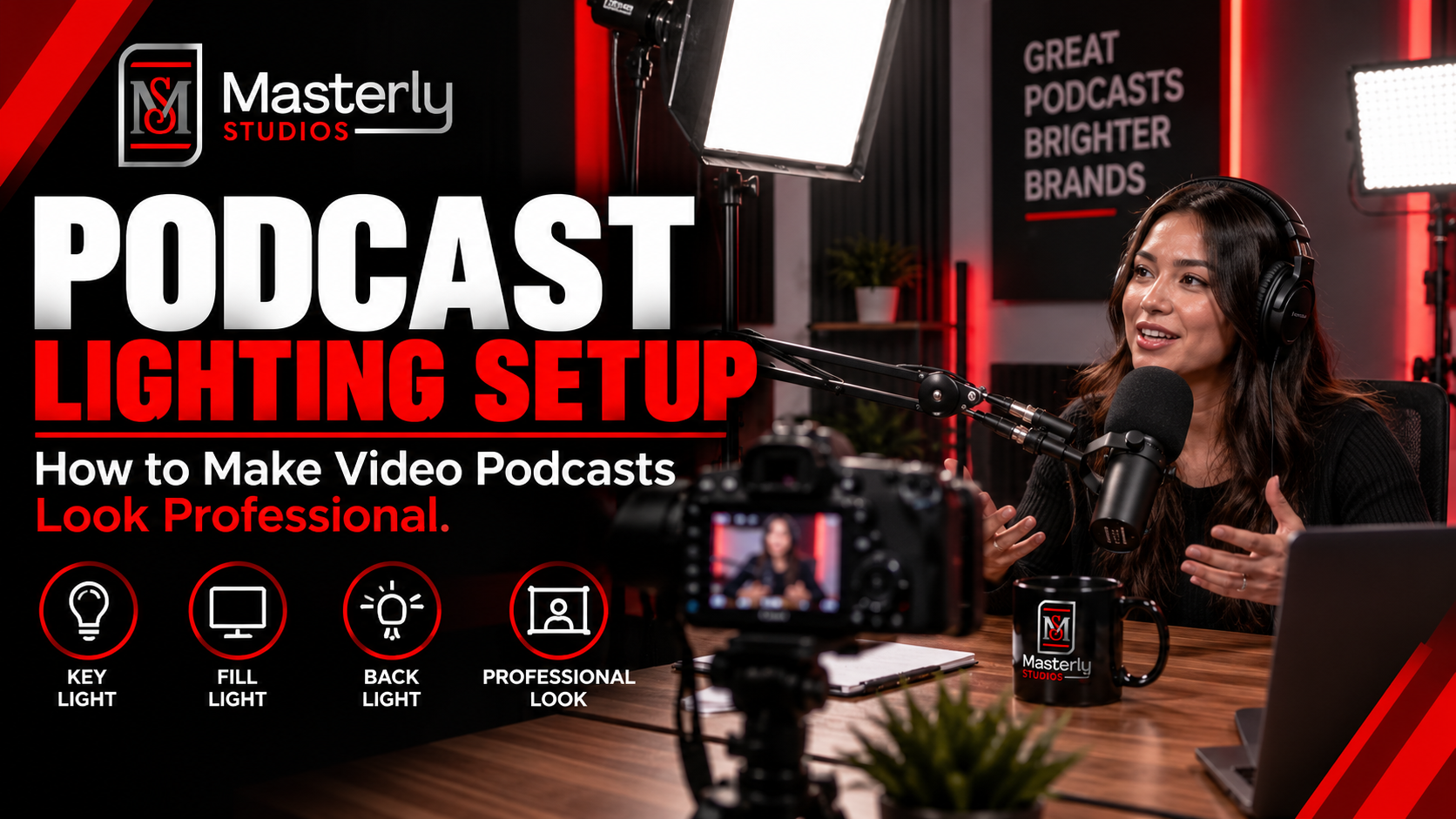
Need a podcast lighting setup? Masterly Studios provides professional podcast and camera lighting in a prepared studio for consistent, polished video production.
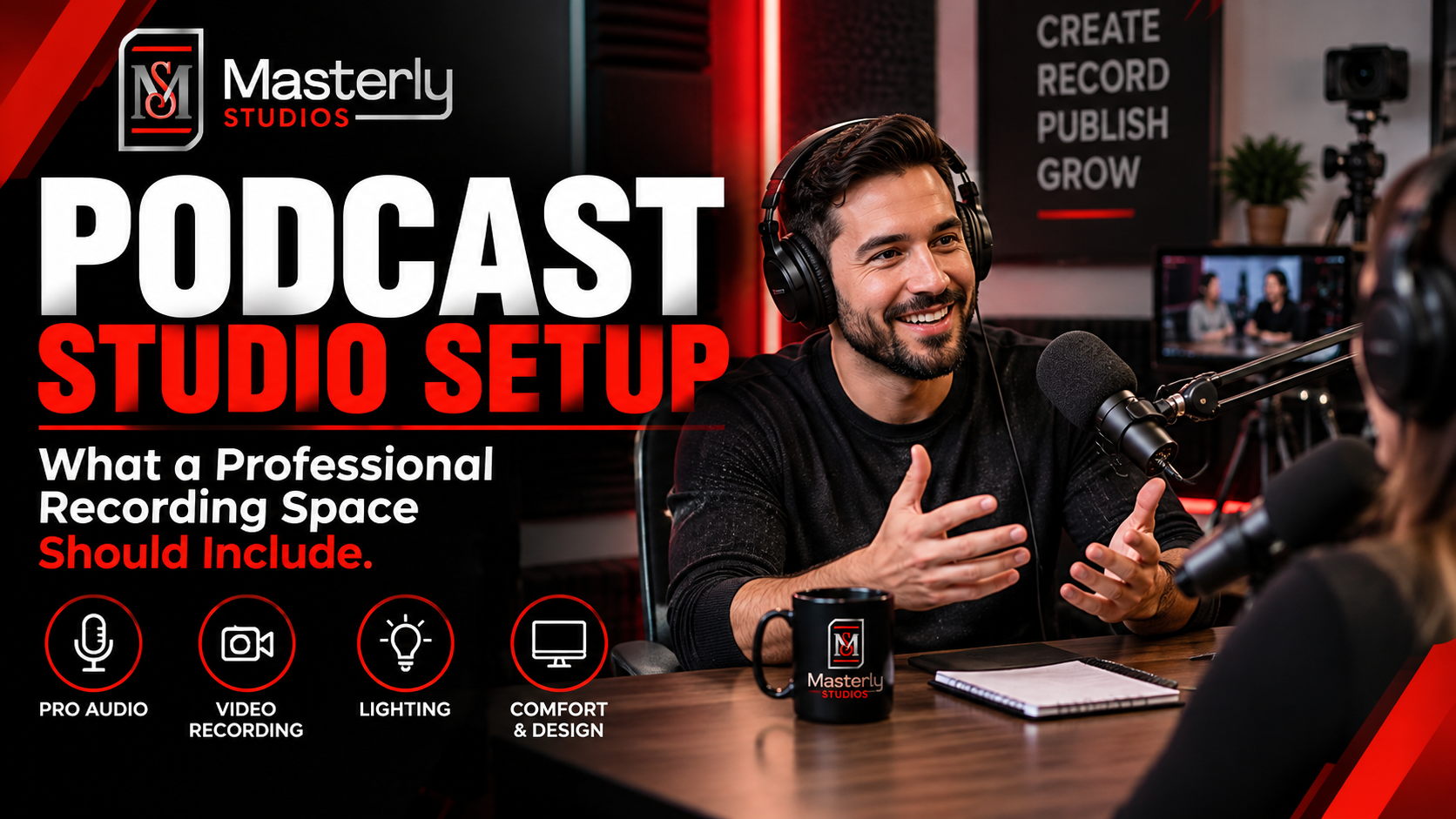
Need a podcast studio setup? Masterly Studios offers a professional recording space with quality equipment, lighting, acoustics, and video support for creators.

Book a training venue in Atlanta for corporate workshops, employee training, and learning events with flexible layouts, A/V support, and professional amenities.
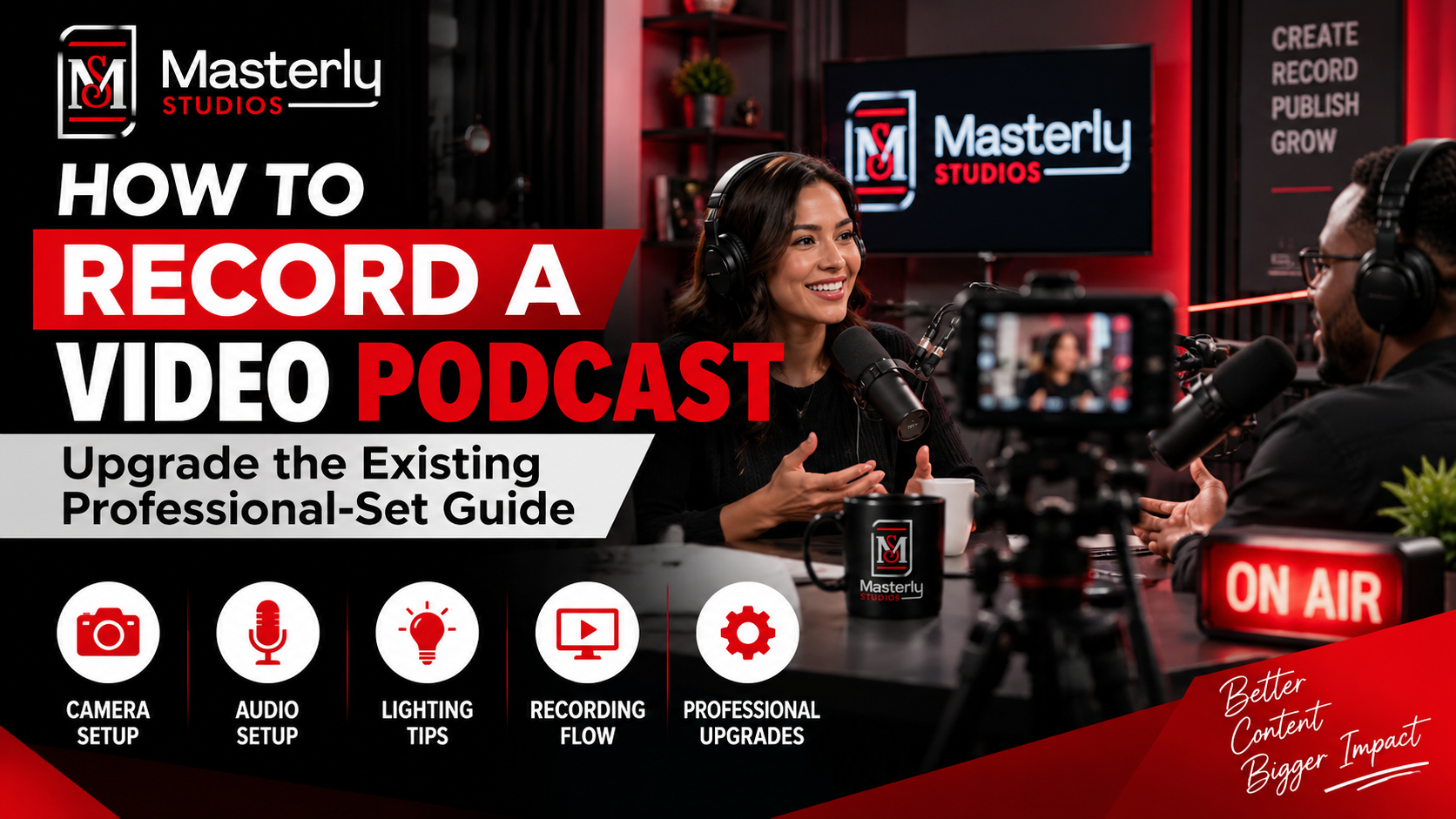
Learn how to record a video podcast in Atlanta with a professional studio setup, clear audio, polished lighting, guest support, and a smooth recording workflow.

Book a corporate Christmas party venue in Atlanta for year-end events with flexible space, A/V support, catering, branding, and more for your team and festive fun.

Book a creative studio rental for photography, video, branded content, and marketing campaigns with flexible production space at Masterly Studios for every project.
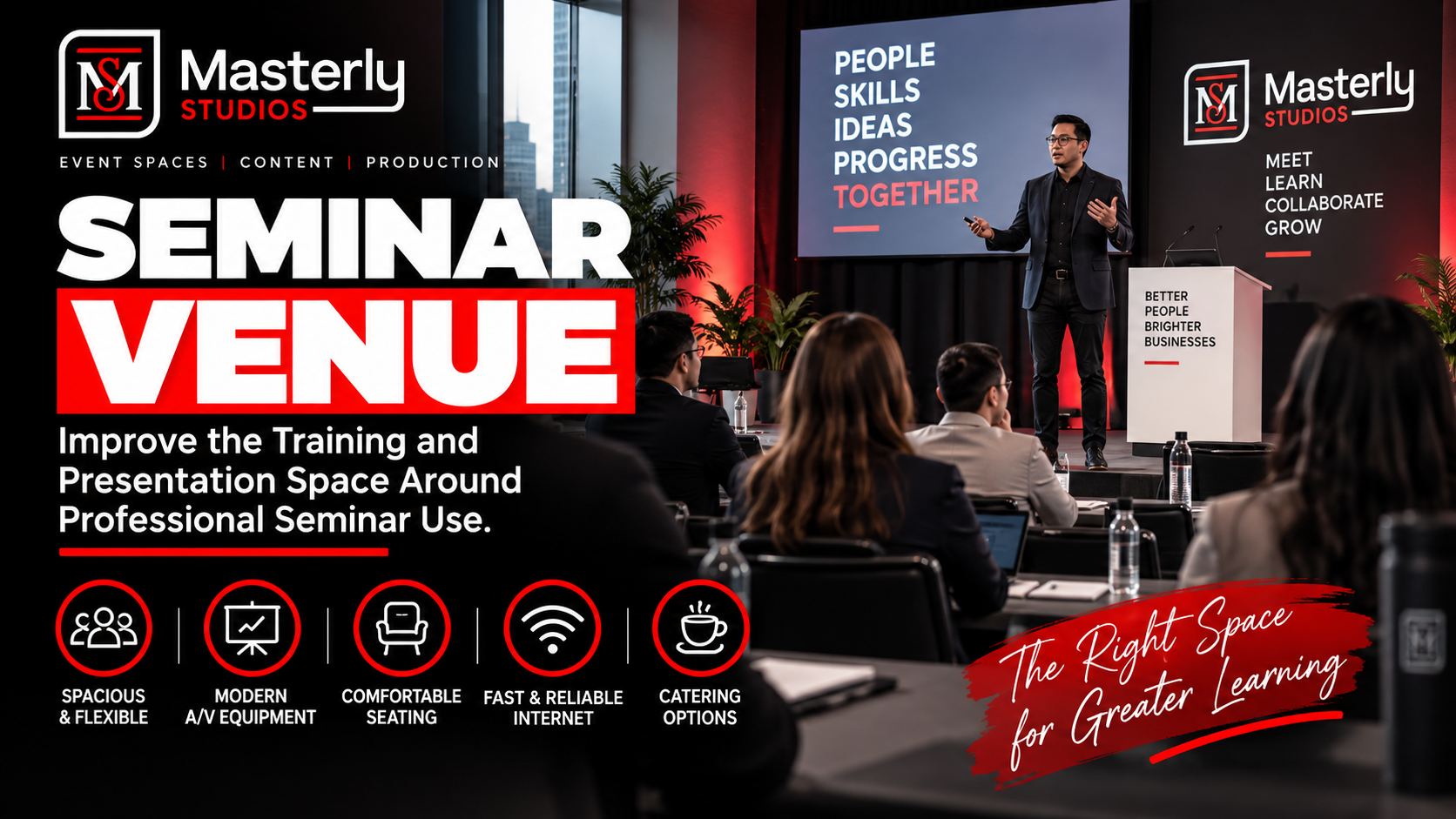
Book a professional seminar venue for training, presentations, and business events with flexible seating, A/V, check-in, parking, content support, and event setup.

Use an event venue checklist to evaluate capacity, layout, parking, load-in, A/V, Wi-Fi, accessibility, catering, branding, production, and overtime needs.