Green Screen Studio: What to Confirm Before You Book
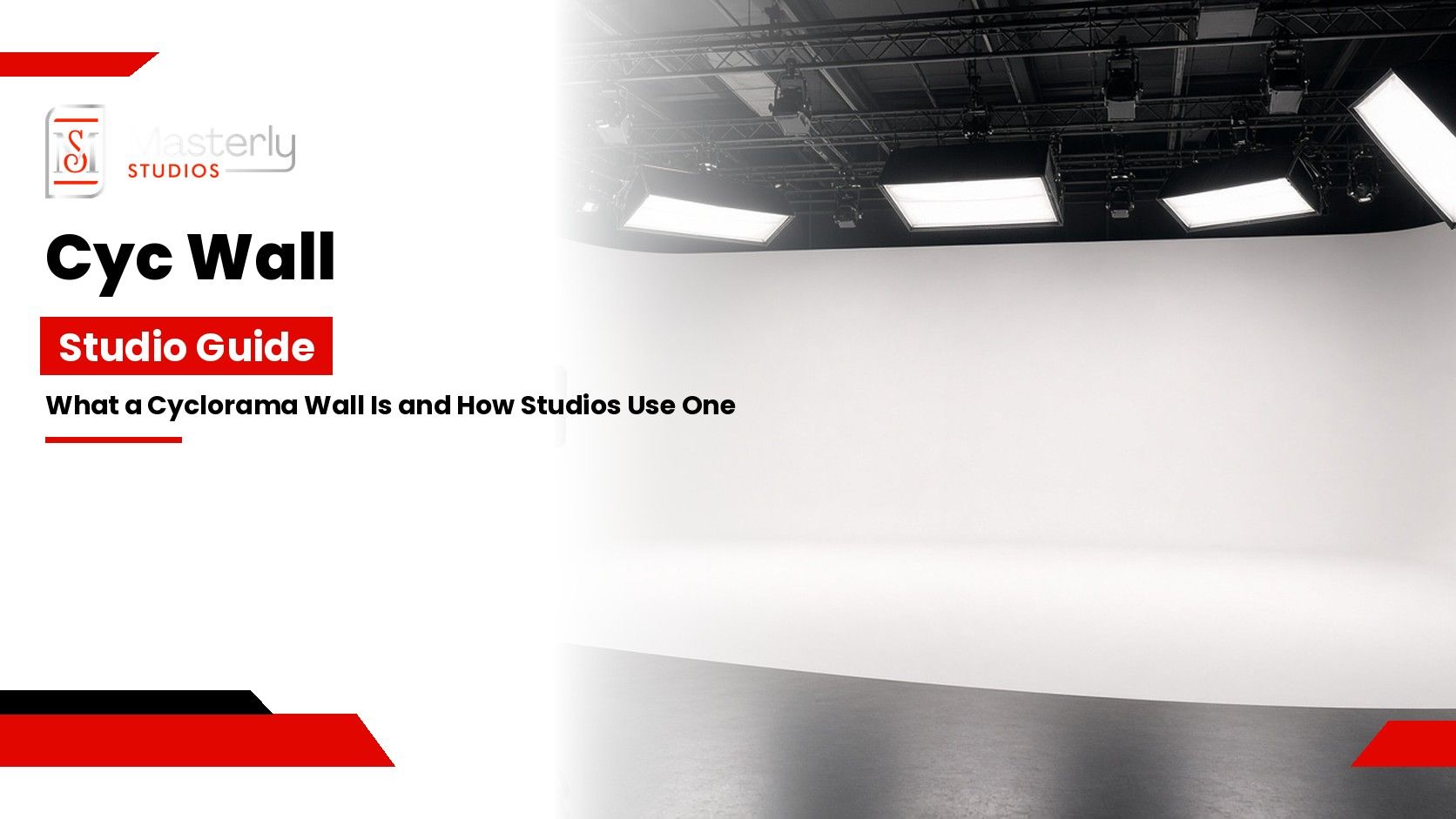
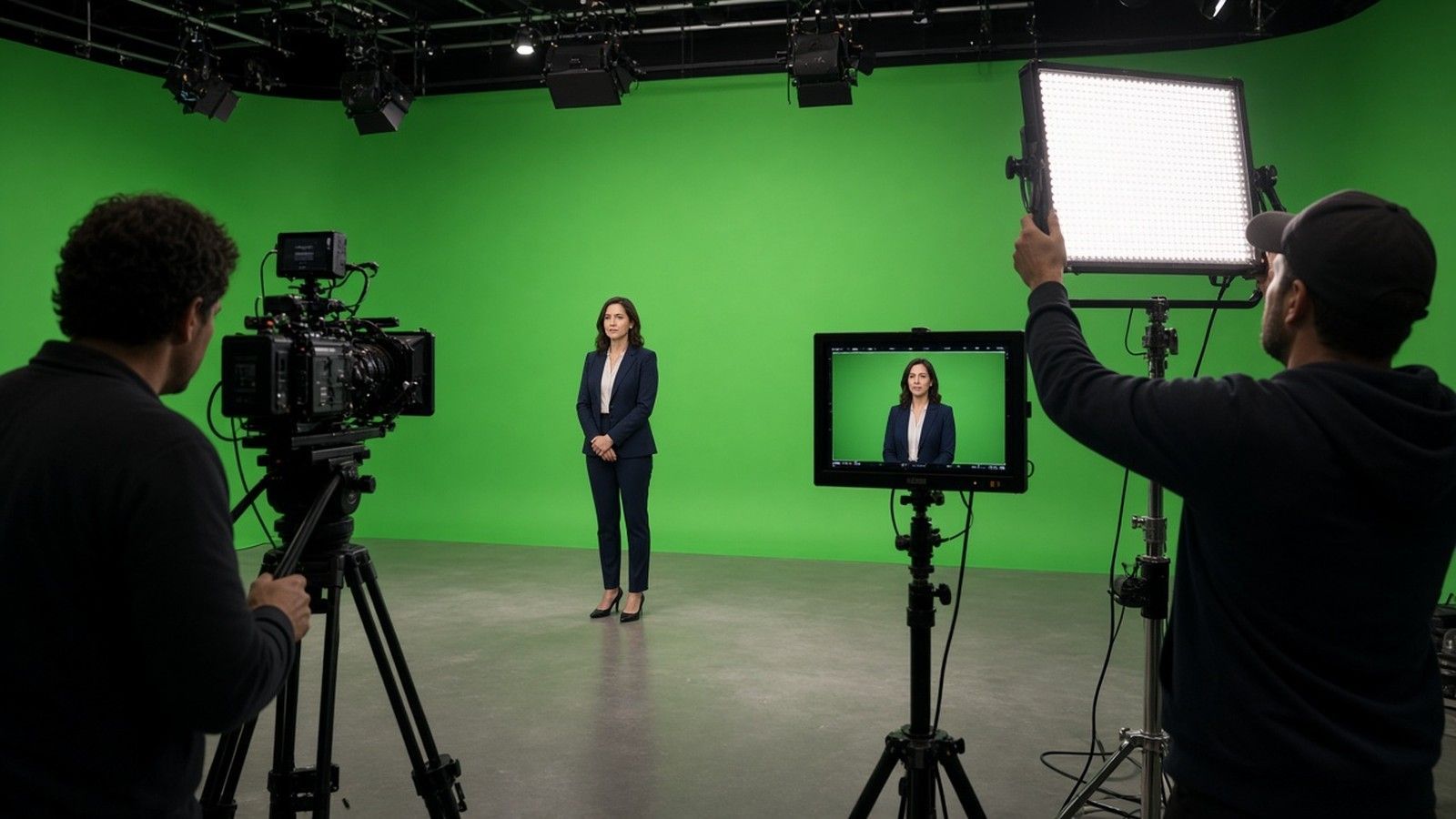
A green screen studio is a production space with a large, evenly painted green background, usually a cyc wall with a curved floor cove, built for chroma key work. Editors remove the green background in the edit and replace it with a set, location, graphic, or virtual background. A professional green screen studio is a production facility that adds the lighting equipment, power, sound control, and room to work that a pop up green screen in an office cannot.
Booking the right green screen studio comes down to a few questions: how big the green screen needs to be, how it will be lit, what equipment is included, and how the footage will be keyed in post. This guide explains how green screen technology works, what to look for in a green screen studio rental, how to plan a green screen shoot for photo shoots or video production, and what to confirm before you book.
What Is a Green Screen Studio?
A green screen studio is a studio space designed around a chroma key background, and green screen technology is what makes it work. The green background is a single, saturated color that rarely appears in skin tones or wardrobe, so editing software can select it cleanly and make it transparent. Everything in front of the screen stays in the shot; everything green is replaced. That is why the perfect space for keying is one where the green is even from edge to edge.
Most professional green screen studios offer one of two green screen setups:
- Green screen cyc wall: A permanent cyclorama painted chroma key green, with a curved cove where the wall meets the floor. A cyc wall lets you shoot full body talent, products on the floor, and wide shots with no visible seam. It is the standard for film production, music videos, and commercial work.
- Fabric or paper green screen: A large green screen backdrop hung on a frame or stand. It is portable and suits head and shoulders interviews, corporate video, and smaller video shoots, but it is harder to light evenly and can show wrinkles.
Some facilities also offer blue screens, LED light walls, or a white cyc that can be lit in different colors, so one green screen studio can handle several types of creative project, from fashion photography to independent projects and corporate video content.
Green screen vs. blue screen
Green is the most common choice because digital camera sensors capture green with the most detail. A standard Bayer filter on an image sensor uses twice as many green photosites as red or blue, which gives the green channel the cleanest information for keying. Green also needs less light to look bright.
Blue screens still have a place. Blue tends to cause less color spill on talent, works better when the subject wears green, and can suit darker or night scenes. Ask the green screen studio managers whether a blue option is available if your wardrobe or set includes green.
Why Use a Green Screen Studio?
A green screen studio gives a production team control over every frame. Instead of traveling to a location, you can place the subject anywhere in post production. Common uses include:
- Corporate and training content: Place a presenter in front of slides, graphics, or a branded set.
- Music videos and film shoots: Build film production environments with visual effects that would be too costly or impossible to shoot on location.
- Product video and product photography: Isolate a product and drop it into a lifestyle scene or a seamless white background later.
- Virtual production and livestreams: Key the background live for webinars, broadcasts, and events.
- Content creation: Produce multiple looks for social video from one setup.
A large space dedicated to green screen work also solves the problems that ruin green screen footage at home: uneven light, shadows on the background, wrinkles, low ceilings, and too little distance between the talent and the screen.
What to Look for in a Green Screen Studio Rental
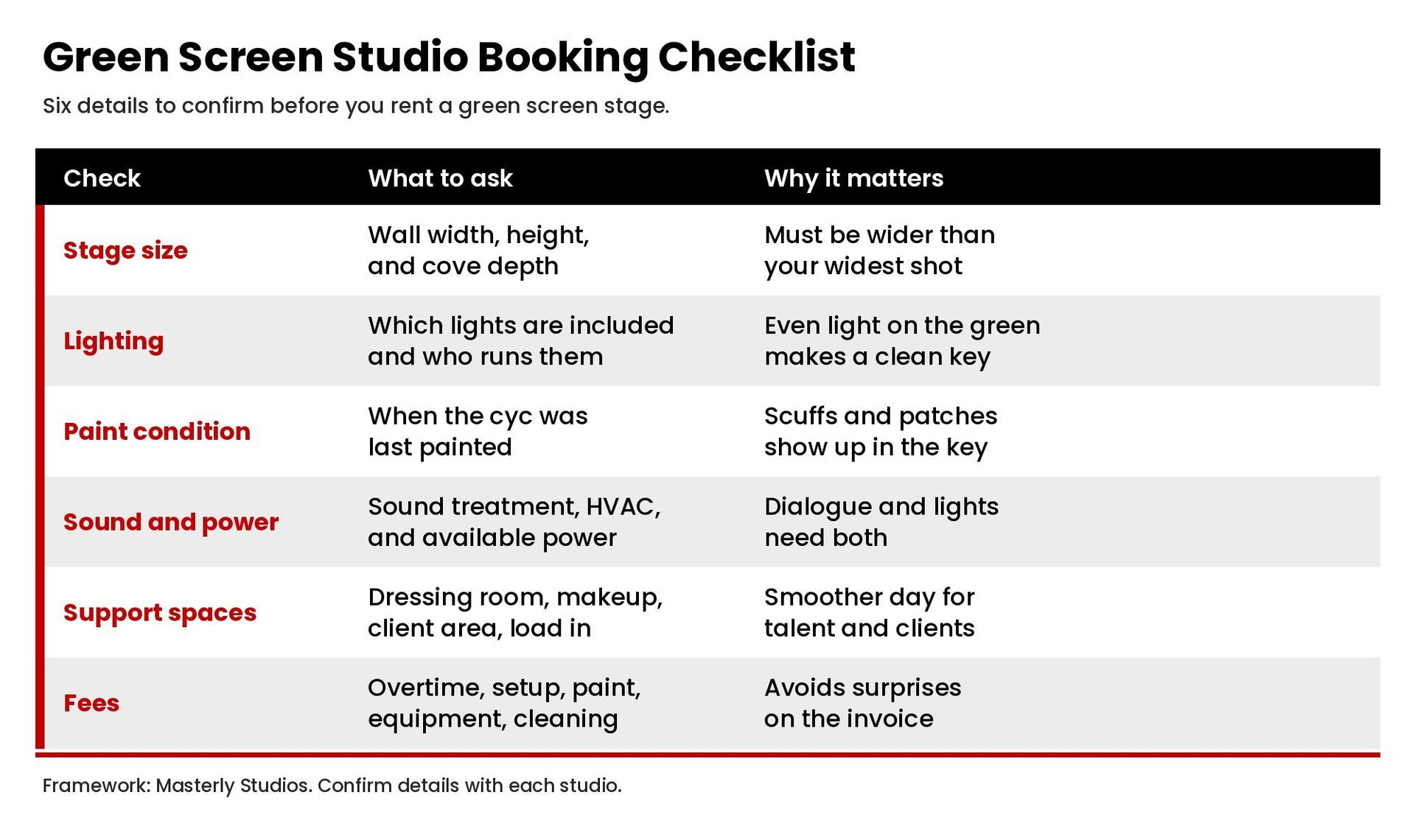
When you rent a green screen, compare each green screen studio on the details that affect the final key. Use this checklist when you talk to the studio.
Size of the green screen stage
The green screen needs to be larger than your widest shot, so match the green screen studio size to your production needs. A full body shot or a group needs a much larger green background than a seated interview. Ask for the wall width, height, and the depth of the floor cove, then check those numbers against your shot list. A bigger green screen also gives you room to move talent away from the wall, which reduces green spill and shadows.
Lighting equipment
Lighting is the most important part of a clean key. The green background should be lit separately from the talent, as evenly as possible, with no hot spots or dark corners. Ask:
- What lighting equipment is included in the rental and what costs extra?
- Is there a lighting grid or ceiling rigging, or only stands?
- Does the green screen studio have an LED light wall or other light wall options?
- Are there dedicated lights for the cyc wall?
- Does the studio offer a gaffer or lighting tech, or do you bring your own?
Avoid assuming a free lighting package is included. Confirm the included equipment and any equipment rentals in writing before the shoot date.
Paint condition and floor
A painted green cyc needs fresh, matte, consistent paint. Scuffs, footprints, and patches show up as uneven tones that make keying harder. Ask when the cyc was last painted and whether the floor can be touched up before your shoot.
Sound and power
If you are recording dialogue, ask about sound treatment, HVAC noise, double wall construction or other isolation, and whether the space is a true sound stage. Confirm available power and outlets for your lighting equipment and camera package.
Support spaces
Look for a dressing room or green room, makeup space, a clothing rack for wardrobe changes, a client viewing area, and parking or load in access. These details make the production experience smoother for talent and clients.
Pricing and hidden fees
Green screen rental is usually priced by the hour, half day, or full day. Ask what is included in the rate and what costs extra, such as setup and breakdown time, overtime, cyc paint touch ups, equipment rentals, cleaning, or staff. A clear quote from the green screen studio prevents surprises on the day.
Green Screen Studio Features to Compare
Every green screen studio describes its space features differently, so compare them side by side. A professional space for photo and video production usually lists the following.
- The green screen itself: A painted green screen cyc wall, a large green screen on a frame, or both. A permanent cyc gives cleaner results for full body work.
- A white cyc or infinity wall: Many green screen studios also have a white cyc, which lets you create multiple looks in one booking without keying.
- Lighting and grip: The lighting equipment list, light wall options, and whether a tech is included.
- Versatile spaces: Some facilities have versatile spaces such as a podcast room, interview set, or event space alongside the green screen stage.
- Support areas: A green room, dressing room, makeup station, clothing rack, and client lounge.
- Access: Load in, parking, elevator access, and whether the studio is centrally located for your crew and talent.
- Staff: Studio managers or techs who know the space and can help with setup.
Before you rent a green screen stage, a location scout or walkthrough of the green screen studio before booking is the best way to confirm these details. Photos rarely show paint condition, ceiling height, or noise.
Who Uses a Green Screen Studio?
Green screen studios serve a wide range of production needs. In film production, teams use green screen stages for visual effects and scenes that cannot be shot on location. Brands use them for product video and photo shoots that will be placed into designed backgrounds. Corporate teams use green screen setups for training and executive videos. Creators use them for music videos, social content, and independent projects where the creative vision needs a background that does not exist. Whatever the creative project, the goal is the same: clean footage that keys easily in post production.
How to Plan a Green Screen Shoot
A good green screen shoot starts before anyone arrives at the green screen studio, and good planning improves the production experience for everyone.
- Design the final scene first. Know what background will replace the green so you can match camera angle, lens, and light direction.
- Plan wardrobe. Avoid green clothing, green jewelry, and very fine patterns. Shiny fabrics can reflect the green background.
- Keep distance. Place talent well away from the green screen so you can light them separately and limit spill.
- Light the background evenly. Use a waveform or false color monitor if available to check that the green is consistent.
- Light the talent to match the scene. Match direction, softness, and color temperature to the background you will add.
- Use a sharp image. Higher resolution, good focus, and a fast enough shutter speed reduce motion blur, which keeps edges clean.
- Test the key on set. Pull a quick key on a laptop or monitor before you roll on every take.
Presenters who will read from a script should also prepare for the camera. Our guide to teleprompter tips for looking natural on camera covers delivery.
Post Production and Chroma Key
After the shoot, the editor keys out the green background, cleans up edges and hair detail, removes any green spill on the subject, and composites the new background. Good footage makes this step faster. Poor lighting or a wrinkled green screen can turn a simple key into hours of video editing.
Ask the green screen studio whether it can help with video editing or recommend a production team. Our overview of the post production workflow explains how editing, color, and delivery fit together, and when the studio offers help with each step.
Green Screen Studio vs. Other Studio Setups
A green screen is not always the right choice. If the final background will be simple and white, a white cyc wall or infinity wall or seamless white background is faster because it needs no keying. If the look should feel real and tactile, a built set or location may work better. Our guides to choosing a content studio for photo, video, and podcast work and what production teams should verify before a film location rental can help you compare options.
Questions to Ask Before You Book
Use these questions whenever you rent a green screen studio space. Ask what the space includes, and check whether the studio offers crew, gear, or editing as add ons.
- What are the exact dimensions of the green screen stage and cove?
- When was the green screen last painted, and is touch up paint included?
- Can we do a location scout or walkthrough of the green screen studio first?
- Which lights, stands, and grip are included equipment?
- Is a studio manager or tech on site during the shoot?
- Is there a dressing room, makeup area, and client space? What else does the shooting space include?
- Are there limits on hours, crew size, or noise?
- What are the cancellation, overtime, and cleaning policies?
- Can the studio provide a camera package, crew, or post production?
Frequently Asked Questions
How much does it cost to rent a green screen studio?
Green screen studio rates vary widely by city, studio size, and what is included. Ask each green screen studio rental for a written quote that lists the hourly or daily rate, included equipment, and any extra fees.
Can I bring my own equipment?
Many studios allow it, but confirm power, rigging, and insurance requirements before you arrive.
How far should talent stand from the green screen?
Far enough that you can light the background and the talent separately and keep shadows and spill off the wall. The size of the space determines how much distance you can get, which is why studio size matters.
Green screen or blue screen?
Use a green screen for most video shoots. Consider blue when wardrobe or props include green, or when you need less color spill.
Plan Your Next Green Screen Production
A professional green screen studio gives you a clean green background, controlled lighting, and the space to separate talent from the screen, which are the three things that make a good key. Confirm the stage size, lighting, included equipment, and fees before you book, and plan wardrobe, distance, and post production in advance. To ask about studio availability and options for your project, see our video studio rental in Atlanta and photo studio rental pages, or contact Masterly Studios to confirm what is available for your shoot.
Source: Bayer filter design, as described in Bayer filter.